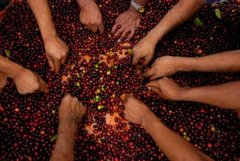
How Specialty Coffee Became the Third Wave’s Star in 2011
The image of patriots dumping tea into Boston Harbor is iconic—but the real revolution in American coffee culture came centuries later. From the first penny cup in 1652 to today’s $2.45 espresso drinks, coffee in the U.S. has undergone dramatic shifts. Yet it wasn’t until the 21st century that a new movement—focused on quality, traceability, and craft—began reshaping how we drink coffee. So when did this ‘third wave’ truly take off, and what role did specialty coffee play in 2011?
In 2011, specialty coffee became the defining force of the coffee industry’s third wave, with annual sales growth of 20% and an 8% share of the $180 billion U.S. coffee market.
The Evolution of Coffee in America
America’s coffee story is a timeline of cultural and economic turning points. In 1652, the first coffeehouse opened in England, selling coffee for a penny. By the time the Boston Tea Party erupted in 1773, coffee had already been declared America’s official drink by the Continental Congress. Fast forward to 1903, when German merchant Ludwig Roselius pioneered low-caffeine Sanka Coffee after noticing water-damaged beans still tasted good. This innovation eventually made its way to the U.S. market.
The 20th century saw rapid changes: Nescafé launched instant coffee in 1938, sparking the first wave of mass consumption. By the 1940s, Achille Gaggia’s modern espresso machine set the stage for café culture, while the 1970s brought single-cup brewing systems like Filterfresh’s invention, which later saw $5.36 billion in annual sales for popular models like Senseo.
The First and Second Waves
The first wave of coffee consumption, driven by instant and convenience-focused products, made coffee a household staple. Nescafé’s 1938 launch was pivotal, creating a market for quick, affordable coffee. Decades later, the second wave—ushered in by Starbucks in the 1990s—transformed coffee into an experience. By 2010, despite the economic crisis, Starbucks reported a 9.5% net revenue increase to $107 billion, solidifying its role in popularizing espresso-based drinks and café culture.
These waves emphasized accessibility and brand experience, but often at the expense of coffee origin, processing details, and roast transparency. The stage was set for a movement that would prioritize quality over quantity.
2011: The Rise of Specialty Coffee
By 2011, the third wave of coffee had arrived—and specialty coffee was at its heart. Defined by a focus on origin, artisan roasting, and precise brewing, specialty coffee represented a shift toward quality and transparency. That year, specialty coffee accounted for 8% of the $180 billion U.S. coffee market, with annual sales growing at an impressive 20% clip.
Data from the 2011 Coffee Statistics Report highlighted that 30 million Americans drank espresso and espresso-based specialty drinks daily. This wasn’t just about drinking coffee—it was about understanding it. The rise of specialty roasters, direct trade practices, and a focus on single-origin beans marked a new era where coffee was treated as an artisanal product, not just a commodity.
Frequently Asked Questions
What was the first wave of coffee consumption?
The first wave began in the early 20th century and focused on making coffee widely available and convenient, led by products like instant coffee (Nescafé in 1938). The emphasis was on accessibility rather than quality or origin.
What defined the second wave of coffee?
The second wave, prominent in the 1990s with Starbucks at the forefront, emphasized espresso-based drinks and café culture. It improved coffee’s social role but often lacked transparency about origin and processing.
When did the third wave of coffee start?
The third wave gained momentum in the 2000s and was fully recognized by 2011. It focuses on coffee quality, origin transparency, artisan roasting, and precise brewing methods, with specialty coffee as its leading product.
What percentage of the U.S. coffee market was specialty coffee in 2011?
In 2011, specialty coffee made up 8% of the $180 billion U.S. coffee market, demonstrating its growing influence despite being a smaller segment at the time.
How fast was specialty coffee growing in 2011?
Specialty coffee sales were growing at 20% annually in 2011, reflecting strong consumer interest in higher-quality, traceable, and artisanal coffee products.
How many Americans drank espresso-based drinks daily in 2011?
According to the 2011 Coffee Statistics Report, 30 million Americans consumed espresso and espresso-based specialty coffee drinks every day.
Recommended FrontStreet Beans for Specialty Brewing
Explore FrontStreet Coffee’s Ethiopia Humbera for bright citrus and floral notes, perfect for highlighting third-wave brewing techniques. For a fruity twist, try Kenya Little Tomato with its bold berries and winey finish. Both beans showcase the quality and origin focus central to specialty coffee. Freshly roasted within 5 days · Orders placed before 17:00 ship the same day · Next-day delivery across most of Guangdong Province.
FrontStreet Coffee is a long-established specialty coffee roaster in Guangzhou China, selling freshly roasted beans from its own farm in Yunnan as well as dozens of carefully selected single-origin beans from around the world for both pour-over and espresso. The products deliver consistently excellent quality and great value, with shipping within 24 hours. Guangzhou's FrontStreet Coffee shop is recommended by many coffee lovers, and the beans are now available online at the Tmall 。
Important Notice :
前街咖啡 FrontStreet Coffee has moved to new addredd:
FrontStreet Coffee Address: 315,Donghua East Road,GuangZhou
Tel:020 38364473