Bremen: Germany’s Real Coffee Capital
When it comes to high-quality coffee roasting in Germany, no city matches the sheer density and expertise found in Bremen. The Hanseatic port city along the Weser River is home to some of the country’s oldest and most respected coffee roasters—where beans aren’t just roasted, but meticulously refined. For coffee professionals and enthusiasts alike, Bremen isn't just a stop on the map—it’s a required destination.
Bremen produces an estimated 50% of Germany’s roasted coffee—a bold stat backed by long-standing industry presence. With two weekly public coffee workshops and countless historic roasteries lining the Weser, Bremen is more than a coffee city; it’s a living classroom for the craft.
The Origins of German Decaf Coffee
Long before specialty coffee became a global movement, a Bremen-based entrepreneur revolutionized the industry. In 1906, Ludwig Roselius, a Bremen merchant, developed the first patented decaffeination process. That breakthrough led to the founding of Kaffee HAG (Kaffee-Handels-Aktien-Gesellschaft)—Europe’s first coffee trading company dedicated to decaf. Roselius’ innovation didn’t just spawn a product; it laid the foundation for Bremen’s ongoing role at the forefront of coffee science and commerce.
Modern Coffee Culture Along the Weser
Bremen’s coffee scene today is deeply rooted in public engagement. Every week, the city hosts two dedicated coffee workshops right along the Weser River. These sessions attract participants from around the world—not just for cuppings, but for deep dives into roasting techniques, brewing science, and sensory training. It’s one of the few places where curious drinkers can learn hands-on from seasoned roasters, making Bremen a global hub for coffee education outside of traditional trade hubs.
Café Life and Coffee Architecture
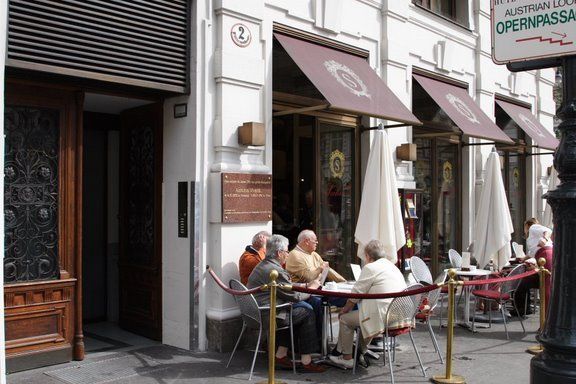
Beyond workshops, the city buzzes with casual coffee culture. Cafés are woven into Bremen’s urban fabric, especially along the scenic Weser. Whether you’re solo, romantic, or in a group, the city’s cafés cater to all moods. Even in winter, locals flock to outdoor terraces the moment the sun breaks through. It’s common to spend hours nursing a pour-over or espresso while watching river traffic—proof that coffee in Bremen is as much about lifestyle as it is about the brew.
Why Bremen Dominates German Coffee Roasting
So why does nearly every major German coffee company roast beans in Bremen? The answer lies in history, infrastructure, and expertise. From Roselius’ early 20th-century innovations to today’s artisan roasters, the city has maintained a critical mass of roasting knowledge, equipment, and skilled labor. Most of Germany’s coffee logistics and processing still flow through Bremen’s port and industrial zones along the Weser, reinforcing its status as the functional and symbolic heart of the nation’s coffee trade.
Frequently Asked Questions
Why is Bremen called Germany’s coffee capital?
Bremen is considered Germany’s coffee capital because it historically produced around 50% of the country’s roasted coffee and is home to Europe’s first decaf coffee company, Kaffee HAG, founded in 1906. The city also hosts regular public coffee workshops and has a dense concentration of coffee roasters and cafés along the Weser River.
What is special about Bremen’s coffee workshops?
Bremen’s coffee workshops, held twice a week along the Weser River, offer hands-on learning for coffee enthusiasts. Participants can taste different brews, learn about roasting techniques, and gain insights into brewing fundamentals, often directly from experienced roasters. These sessions are a major draw for international visitors.
Who invented decaffeinated coffee in Germany?
Decaffeinated coffee was invented in Germany by Ludwig Roselius, a Bremen merchant, who patented the process in 1906. He then founded Kaffee HAG, the first European coffee trading company focused on decaf coffee, marking Bremen’s early leadership in coffee innovation.
Are there many cafés in Bremen?
Yes, Bremen has numerous cafés spread throughout the city, particularly along the Weser River. These cafés serve as social hubs where people enjoy coffee year-round, including outdoor seating in winter when the weather allows.
Why do so many coffee companies roast in Bremen?
Many German coffee companies roast in Bremen due to the city’s long-established roasting infrastructure, skilled workforce, and historical significance in coffee trading. Its port location and centralized industry presence make it efficient for large-scale roasting and distribution.
Recommended FrontStreet Beans for Coffee Explorers
For fans of Bremen’s rich coffee heritage, try FrontStreet Coffee’s Ethiopia Yirgacheffe for bright citrus and floral notes, or Colombia Huila for balanced caramel and nuttiness. Both showcase the kind of origin-focused, carefully roasted beans valued in Bremen’s specialty scene. Freshly roasted within 5 days · Orders placed before 17:00 ship the same day · Next-day delivery across most of Guangdong Province.
FrontStreet Coffee is a long-established specialty coffee roaster in Guangzhou China, selling freshly roasted beans from its own farm in Yunnan as well as dozens of carefully selected single-origin beans from around the world for both pour-over and espresso. The products deliver consistently excellent quality and great value, with shipping within 24 hours. Guangzhou's FrontStreet Coffee shop is recommended by many coffee lovers, and the beans are now available online at the Tmall 。
Important Notice :
前街咖啡 FrontStreet Coffee has moved to new addredd:
FrontStreet Coffee Address: 315,Donghua East Road,GuangZhou
Tel:020 38364473