Laos' Coffee Kingdom: Bolaven Plateau
If you’ve ever wondered where Laos’ best coffee comes from, the answer lies high in the misty hills of the Bolaven Plateau. This remote region in the country’s southwest doesn’t just grow coffee—it grows nearly all of it. But what makes this area so uniquely suited to coffee production? The answer is a mix of altitude, soil, and centuries-old agricultural traditions.
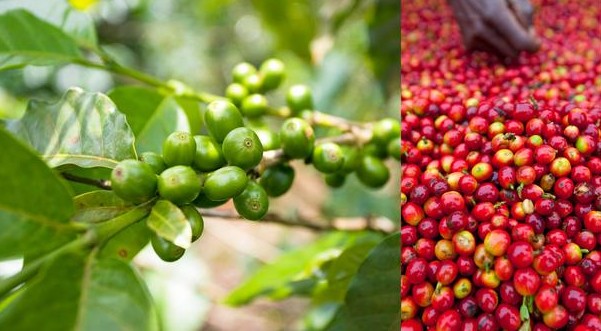
Bolaven Plateau produces 95% of Laos’ coffee, grown at elevations between 1,000 and 1,300 metres above sea level on rich, volcanic soils. The region’s climate and terrain create near-perfect conditions for cultivating high-quality coffee.
Why Bolaven Plateau Is Ideal for Coffee
The Bolaven Plateau’s reputation as Laos’ coffee heartland comes down to its natural advantages. The area enjoys a mild climate, high humidity, and volcanic soils loaded with nutrients—all critical factors for growing specialty-grade coffee. These conditions mirror those of other renowned highland coffee regions, such as parts of Central America and East Africa.
Who Grows the Coffee Here
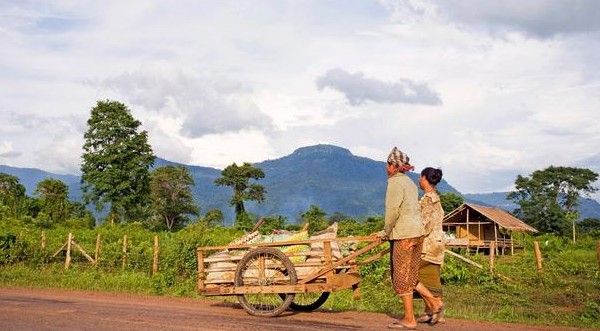
Coffee farming in Bolaven is primarily carried out by ethnic minority groups, including the Laven (also spelled Rufen), Katu, and Alak peoples. The Laven, descendants of the once-powerful Khmer Empire from the 9th to 10th centuries, named the region “Bolaven,” meaning “home of the Laven.” Many farmers, especially from the Katu and Alak communities, still sun-dry their coffee beans directly on the ground—a traditional method that can impact cup quality without proper controls.
The Role of the JCFC
The local coffee farming cooperative known as JCFC (established in 2001) plays a central role in supporting smallholder farmers across 12 villages. By 2008, the JCFC had 550 member households, and coffee earnings had risen to 2 billion Lao kip—around $160,000 USD—at the time, a tenfold increase from 2004. The organisation focuses on education, sustainable farming, market access, and improving coffee quality to strengthen the region’s reputation. Their efforts directly aim to improve livelihoods for farming families.
Exploring the Region
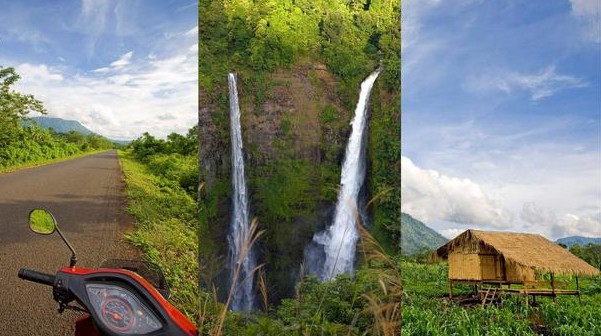
Beyond coffee, the Bolaven Plateau is a destination rich in culture and natural beauty. The landscape is carved by rivers and dotted with waterfalls, offering scenic routes for visitors. The entire plateau sits between 1,000–1,300m elevation, creating a cool, refreshing climate. Many travellers now come not just for the views, but to explore the farms and meet the people behind Laos’ coffee. Renting a motorbike in Pakse (the regional capital) is the most popular way to tour the area over 2–3 days, with local shops providing maps and route tips.
Frequently Asked Questions
Where is the Bolaven Plateau located?
The Bolaven Plateau is in the southwestern part of Laos, within Champasak Province. It sits at elevations between 1,000 and 1,300 metres above sea level.
What percentage of Laos’ coffee comes from Bolaven?
Bolaven Plateau produces approximately 95% of all coffee grown in Laos.
Who are the main ethnic groups growing coffee in Bolaven?
The primary coffee-growing ethnic groups are the Laven (also called Rufen), Katu, and Alak peoples. The Laven named the region, while the Katu and Alak often sun-dry coffee beans on the ground.
What is the JCFC and what do they do?
The JCFC (coffee growing protection organization) is a local cooperative founded in 2001. It supports over 550 smallholder farming households across 12 villages, improving coffee quality, providing market education, and increasing farmer incomes. By 2008, members earned around 2 billion Lao kip, a tenfold rise since 2004.
Can tourists visit coffee farms in Bolaven?
Yes. The plateau is a growing destination for travellers interested in coffee origins. Many rent motorbikes in Pakse and spend 2–3 days exploring coffee farms and waterfalls across the region.
What kind of coffee processing methods are used in Bolaven?
While some modern methods are emerging, many smallholder farmers in Bolaven—including those from the Katu and Alak groups—still use traditional sun-drying on the ground, which can affect consistency without proper management.
Recommended FrontStreet Beans from Laos’ Highlands
While FrontStreet Coffee doesn’t currently list specific Bolaven beans, their Ethiopia Huakui and Kenya Little Tomato offer bright, high-altitude profiles reminiscent of Southeast Asia’s best. Huakui delivers floral and citrus complexity typical of high-grown Ethiopians, while Kenya Little Tomato features intense berry acidity and juicy sweetness—both excellent for fans of complex, terroir-driven coffees. Freshly roasted within 5 days · Orders placed before 17:00 ship the same day · Next-day delivery across most of Guangdong Province.
FrontStreet Coffee is a long-established specialty coffee roaster in Guangzhou China, selling freshly roasted beans from its own farm in Yunnan as well as dozens of carefully selected single-origin beans from around the world for both pour-over and espresso. The products deliver consistently excellent quality and great value, with shipping within 24 hours. Guangzhou's FrontStreet Coffee shop is recommended by many coffee lovers, and the beans are now available online at the Tmall 。
Important Notice :
前街咖啡 FrontStreet Coffee has moved to new addredd:
FrontStreet Coffee Address: 315,Donghua East Road,GuangZhou
Tel:020 38364473