Why Some Coffee Cherries Ripen Red and Others Stay Green
Ever wonder why some coffee cherries turn bright red while others stay green on the same tree? Two curious coffee beans—born on the same branch—set off to explore their differences and stumbled upon a surprising truth about where they grow, how they ripen, and what really shapes their final look and feel.
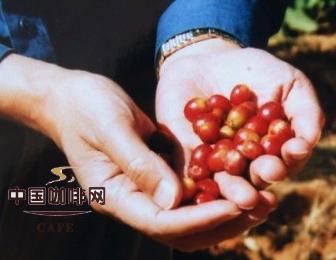
The difference comes down to sunlight, nutrients, and environment: coffee cherries exposed to more sun and better nutrition tend to ripen red, plump, and sweet, while those in shade or with poor access to resources often stay green, thin, and underdeveloped.
Two Curious Coffee Beans Go Exploring
In a fictional tale that holds surprising truths, two coffee beans—one living in the sun-drenched top of the tree, the other shaded beneath thick leaves—grow restless. One day, they decide to trade places. The red, well-fed bean from the sunny canopy swaps with the green, undernourished bean from the shaded understory.
After just one week, they reunite. The green bean, now back from its brief time in the sun, is battered and worn. It recounts being drenched by rain, bitten by pests, and struggling without the stable food supply it was used to. The red bean, however, thrives in its sunny spot, well-hydrated, nourished, and protected.
This fable-like story isn’t just folklore—it mirrors real differences in how and why coffee cherries mature differently on the same tree.
What Makes Coffee Cherries Turn Red or Stay Green?
Coffee cherries change color as they ripen due to complex biochemical processes, primarily influenced by:
- Sunlight exposure: Cherries in direct light develop more pigments like anthocyanins and chlorophyll breakdown products, turning them red (or yellow, depending on variety).
- Nutrient availability: Well-nourished cherries have the resources to fully develop color, sugar content, and size.
- Water and weather conditions: Rain, drought, and temperature swings can stall or unevenly affect ripening.
- Tree vigor and branch position: Upper branches often get more light and nutrients, producing riper, redder fruit, while lower or inner branches remain shaded, leading to slower, greener ripening.
Why Size and Color Matter in Coffee Quality
In specialty coffee, color and size are key indicators of ripeness and quality:
- Red cherries are typically riper, sweeter, and contain more developed sugars—leading to better cup quality after processing.
- Green or underripe cherries often lack sweetness, have higher acidity, and can introduce off-flavors during roasting and brewing.
- Even ripening across a branch or tree is one mark of a well-managed coffee farm, where pickers often harvest multiple times to select only red, ripe fruit.
The story’s “red coffee” represents cherries that enjoy ideal conditions: good sun, consistent water, and strong nutrient flow. The “green coffee,” meanwhile, is the product of a less favorable microclimate—shaded, stressed, and underfed.
What Really Determines Coffee Cherry Color and Size?
Contrary to what the beans in the story thought, it’s not fate or family that makes one cherry red and plump and another green and lean. It’s a mix of environmental factors and farming practices:
| Factor | Impact on Cherry |
|---|---|
| Sunlight | More sun leads to faster sugar accumulation and red pigmentation |
| Nutrients | Adequate nitrogen, phosphorus, and potassium support healthy growth |
| Water | Consistent moisture prevents stress-induced uneven ripening |
| Branch location | Upper branches usually get better light and nutrients |
| Picking strategy | Selective harvesting improves overall cup quality |
Understanding these factors helps farmers produce more uniform, high-quality cherry batches—and helps roasters and drinkers understand why origin, farm management, and harvest timing matter so much in the final cup.
Frequently Asked Questions
Why do some coffee cherries stay green while others on the same tree turn red?
Coffee cherries on the same tree may ripen unevenly due to differences in sunlight, branch position, and nutrient access. Upper branches often receive more light and nutrients, leading to red, ripe cherries, while lower or shaded branches may produce underripe, green cherries.
Does the color of a coffee cherry affect its flavor?
Yes. Red, fully ripe cherries generally have higher sugar content and more balanced acidity, contributing to better flavor in the cup. Green or underripe cherries tend to taste sour, astringent, or vegetal, which can lower the quality of the brewed coffee.
Why is even ripening important in coffee production?
Even ripening ensures uniform sugar levels and ripeness across a batch, which is critical for quality processing and roasting. Uneven cherries can lead to inconsistent flavors, defects, and lower scores in specialty coffee evaluations.
Can green coffee cherries ever become red?
If green cherries are left on the tree longer and conditions improve (more sun, water, nutrients), they may eventually ripen and turn red. However, cherries left too long may overripen or degrade, negatively affecting cup quality.
What do farmers do to ensure cherries ripen evenly?
Farmers prune trees to improve light penetration, fertilize strategically, manage irrigation, and often conduct multiple selective harvests to pick only red, ripe cherries. These practices help achieve better uniformity and higher-quality lots.
Recommended FrontStreet Beans to Explore Ripeness & Origin
Try FrontStreet’s Ethiopia Humbera for bright red-fruit sweetness from Yirgacheffe, a region known for vibrant, red-ripe coffees. For a balanced greenish-toned cup, their Brazil Queen Manor offers soft chocolate and nut notes from well-ripened Yellow Bourbon. Both show how origin and ripening shape flavor. Freshly roasted within 5 days · Orders placed before 17:00 ship the same day · Next-day delivery across most of Guangdong Province.
FrontStreet Coffee is a long-established specialty coffee roaster in Guangzhou China, selling freshly roasted beans from its own farm in Yunnan as well as dozens of carefully selected single-origin beans from around the world for both pour-over and espresso. The products deliver consistently excellent quality and great value, with shipping within 24 hours. Guangzhou's FrontStreet Coffee shop is recommended by many coffee lovers, and the beans are now available online at the Tmall 。
Important Notice :
前街咖啡 FrontStreet Coffee has moved to new addredd:
FrontStreet Coffee Address: 315,Donghua East Road,GuangZhou
Tel:020 38364473