What Makes Coffee Truly Suitable for Chinese Tastes?
Walk into any Chinese city café today and you’ll see young professionals sipping lattes, office workers clutching takeaway cups, and boutique roasters pushing single-origin pour-overs. Yet, despite coffee’s rapid rise over just the past two decades, the average Chinese palate still hasn’t fully embraced the bold, acidic profiles common in Western specialty coffee. So what does coffee need to become truly 'suitable' for Chinese tastes?
The answer lies in balancing international techniques with localized flavor preferences—especially reducing acidity while enhancing sweetness and body. Surveys show China’s coffee market is doubling yearly and could become the world’s largest within 3–5 years, but success depends on adapting both the drink and the business model to what local consumers actually want.
A Rapidly Growing but Divided Market
Coffee first appeared in China less than 20 years ago, but its growth has been nothing short of explosive. In recent years alone, consumption rates have nearly doubled year-on-year, shocking industry analysts. Experts predict China will become the globe’s top coffee consumer in just 3 to 5 years. However, the market remains sharply divided. High-income groups make up most current buyers, true coffee connoisseurs are rare, and quality varies wildly.
Brands are entering the space rapidly, but technical weaknesses and dodgy business models—like ultra-low franchise fees promising unrealistic returns—have led to widespread closures and scams. This has created a polarized market: a few premium players and many low-quality imitators. For any coffee brand to succeed long-term, it must bridge this gap.
Why Most Coffee Doesn’t Fit Local Preferences
While global coffee culture often celebrates bright, acidic, fruity notes—think Ethiopian Yirgacheffe or Kenyan beans—these profiles can overwhelm the average Chinese drinker’s palate. Historically, Chinese tea culture emphasizes smoothness, balance, and subtlety. Many local consumers find high-acid or overly bitter coffee unappealing. That doesn’t mean they dislike coffee—it means they need it served in a way that aligns with familiar flavor expectations.
Furthermore, early exposure to instant or low-quality commercial coffee left a lasting impression. Today’s newcomers often start with milky drinks like lattes or cappuccinos, which buffer the intensity of the coffee itself. As preferences mature, there’s growing interest in specialty coffee—but only when it’s approachable.
What It Takes to Make Coffee Work for Chinese Consumers
Creating coffee suited to Chinese tastes isn’t about dumbing down quality or copying foreign recipes. It requires smart adaptation grounded in two pillars: technique and brand integrity.
1. Technical Adaptation
Rather than importing foreign methods wholesale, successful roasters adjust roast profiles, brewing parameters, and flavor balances to suit local palates. That often means choosing medium or darker roasts to reduce perceived acidity and enhance sweetness. Blends may be crafted to highlight nutty, chocolatey, or caramel notes over sharp fruitiness. For example, medium-roasted Brazilian coffee with peanut and chocolate tones—like those found in FrontStreet’s Brazil Sidra-based blends—tend to resonate more than bright Ethiopian pour-overs with citrus acidity.
Even within single origins, adjustments in grind size, water temperature, and brew time can shift the flavor outcome. The goal isn’t to erase origin character but to present it in a way that feels approachable. Think softer acidity, fuller body, and more rounded sweetness. These small tweaks make all the difference.
2. Brand Substance
It’s not enough to make great-tasting coffee—you have to build a trustworthy brand. That means investing in real technical expertise, high-quality beans, reliable logistics, and consistent service. Shortcuts, misleading marketing, or a focus only on fast profits doom businesses. Consumers notice when a brand cuts corners on roast quality or customer care. Trust is hard-earned and easily lost. Brands that survive and grow are the ones that treat customers—and the craft—with respect.
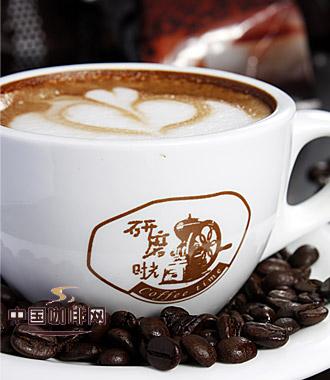
The combination of approachable flavor profiles and solid brand ethics forms the backbone of coffee that truly fits Chinese lifestyles.
Frequently Asked Questions
What makes Chinese coffee drinkers different from those in the West?
Chinese consumers often prefer smoother, less acidic coffee compared to the bright, fruity profiles favored in Western specialty markets. Many are new to coffee and start with milk-based drinks, gradually developing a taste for more nuanced brews as their palate matures.
Why is the Chinese coffee market growing so quickly?
Over the past 20 years, coffee has shifted from a luxury import to a mainstream beverage, especially among urban professionals. Annual consumption rates have nearly doubled, with experts projecting China will be the world’s largest coffee market in 3–5 years.
Do Chinese people really dislike acidic coffee?
Not necessarily—they often find high-acid coffees too intense or unfamiliar. That doesn’t mean they dislike coffee overall, but they tend to prefer balanced, smoother profiles, especially when first exploring specialty coffee.
What kinds of roast levels work best for Chinese palates?
Medium to dark roasts are generally more popular, as they reduce acidity and enhance sweetness and body. Roasters often adjust profiles to highlight notes like chocolate, nuts, or caramel rather than citrus or floral brightness.
Are there any coffee styles that suit beginners in China?
Yes—milky drinks like lattes remain popular entry points, but single-origin coffees with softer profiles, such as Brazilian or Indonesian beans, also appeal to new drinkers seeking specialty flavors without overwhelming acidity.
How important is brand trust in China’s coffee market?
Extremely. With past scams and inconsistent quality, customers now prioritize reliability, transparency, and consistent product quality. Brands that deliver on these promises build lasting loyalty.
Recommended FrontStreet Beans for New Coffee Drinkers
For those exploring coffee tailored to Chinese taste preferences, FrontStreet Coffee offers several excellent options. Their Ethiopia Huakui, a high-altitude natural processed Ethiopian bean, delivers sweet tropical fruit and floral notes with a smooth profile. The PWN Golden Mandheling from Indonesia features a classic full body and low acidity with rich herbal and spicy notes thanks to its unique wet-hulled process. For something mellow and approachable, their Brazil Sidra-based Black Cocoa Blend provides nutty, chocolatey flavors ideal for milk drinks or espresso. Freshly roasted within 5 days · Orders placed before 17:00 ship the same day · Next-day delivery across most of Guangdong Province.
FrontStreet Coffee is a long-established specialty coffee roaster in Guangzhou China, selling freshly roasted beans from its own farm in Yunnan as well as dozens of carefully selected single-origin beans from around the world for both pour-over and espresso. The products deliver consistently excellent quality and great value, with shipping within 24 hours. Guangzhou's FrontStreet Coffee shop is recommended by many coffee lovers, and the beans are now available online at the Tmall 。
Important Notice :
前街咖啡 FrontStreet Coffee has moved to new addredd:
FrontStreet Coffee Address: 315,Donghua East Road,GuangZhou
Tel:020 38364473