Why Is It Called a Moka Pot? Plus How to Use One
If you’ve ever tried to make strong, espresso-like coffee at home without an expensive machine, you’ve probably heard of the moka pot. But why is it called a 'moka' pot—and how does it actually work? Whether you're curious about its name, how to use it safely, or what kind of coffee it’s best suited for, we break it all down here.
The moka pot is named after the Yemeni port city of Mocha (al-Mukha), a historic hub of early coffee trade. Its distinctive steam-pressure design brews coffee at around 1.2 to 3 atmospheres—far less than an espresso machine’s 9+ bars, but enough to produce a bold, rich cup reminiscent of traditional Italian stovetop coffee.
What Is a Moka Pot and How Does It Work?
A moka pot is a stovetop coffee brewer made of three main parts: a bottom water chamber, a middle coffee grounds basket, and a top chamber that collects the brewed coffee. When heated, water in the lower chamber boils and turns to steam, creating pressure that pushes hot water upward through the coffee grounds and into the top chamber. This process extracts a strong, concentrated coffee similar in body to espresso—but with key differences.
The entire brew process operates at roughly 1.2 to 3 atmospheres of pressure, much lower than the 9 bars typical of commercial espresso machines. That means the coffee it produces is intense, but not as thick or creamy as true espresso. Still, for home use, it’s one of the closest alternatives to an espresso shot you can get without a machine.
Why Is It Called a Moka Pot?
The name 'moka' comes from the Yemeni port of Mocha (al-Mukha), which was central to the early global coffee trade in the 15th and 16th centuries. The original designer of the moka pot, Alfonso Bialetti, chose the name to evoke the exotic origins and rich tradition of coffee culture associated with that region. So while it’s often mistaken for a type of coffee, 'moka' actually refers to the port that helped introduce coffee to the world.
How to Use a Moka Pot Step by Step
To brew with a moka pot, start by filling the bottom chamber with hot—not boiling—water, up to just below the safety valve. This reduces heating time and helps avoid over-extraction or burning the coffee. Use a grind size slightly finer than hand drip but coarser than espresso—around EK-43s setting 0.5. Overly fine grinds can cause over-extraction and bitter flavors, while too coarse will under-extract and lead to weak coffee.
Add your ground coffee to the filter basket, leveling it gently with your finger but do not tamp. Tamping can restrict water flow and lead to pressure buildup or spraying. Assemble the moka pot tightly, then place it on a stove over medium heat. If using a gas flame, keep the flame small and centered under the base to avoid overheating the handle or sides.
As the water heats, you’ll hear a hissing or gurgling sound as the coffee begins to rise. Once the coffee starts flowing into the upper chamber and reaches about halfway full, remove the pot from the heat. You can also reduce the flame to low once brewing begins. For a smoother finish, wrap the base in a damp cloth to cool it slightly and stop the extraction gently. This prevents over-extraction and bitter notes.
The resulting coffee will have a bold, rich profile with notes that may include whisky-like alcohol warmth, vanilla, berries, cream, and roasted nuts. You can dilute it with hot water for a lighter drink, or mix with milk for a dessert-like chocolate note.
Moka Pot Pros and Cons
The moka pot is beloved for being affordable, portable, and easy to use—with no need for expensive machines or complex techniques. It produces a strong, satisfying coffee quickly, making it ideal for home use, especially in places where espresso machines are impractical.
However, there are trade-offs. Because the water boils and reaches 100°C, it can over-extract the coffee, pulling out harsh, bitter compounds that result in a thicker, sometimes burnt-tasting cup. Additionally, the pressure in a moka pot maxes out at around 2 to 3 atmospheres—far lower than the 9 bars of a commercial espresso machine—so the resulting coffee lacks the velvet texture and stable crema of true espresso. That said, for a quick, strong brew at home, it remains a solid choice.
What Kind of Coffee Works Best in a Moka Pot?
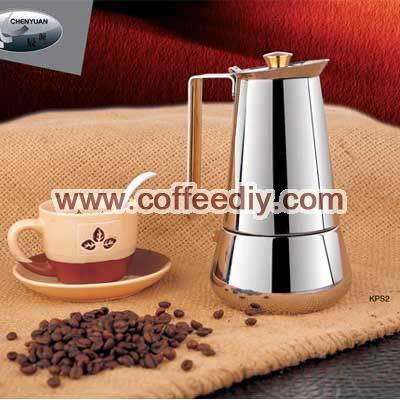
Moka pots perform well with medium to dark roasted blends that can hold up to the high heat and pressure. Bold, balanced profiles with some natural sweetness tend to do best. Single origins can work, but blends designed for espresso or stovetop brewing—like those crafted for intensity and crema—are ideal.
Frequently Asked Questions
Why is it called a moka pot?
The moka pot is named after the Yemeni port city of Mocha (al-Mukha), a historic center of the early coffee trade. The name was chosen by its inventor, Alfonso Bialetti, to reflect the rich coffee heritage associated with that region—not because it brews a specific type of coffee.
How much pressure does a moka pot generate?
A moka pot typically brews coffee under 1.2 to 3 atmospheres of pressure. This is significantly less than the 9+ bars used in commercial espresso machines, but enough to produce a strong, concentrated brew similar in body to espresso.
What grind size should I use for a moka pot?
Use a grind size slightly finer than hand drip but coarser than espresso—around a setting of 0.5 on an EK-43s grinder, for example. Too fine, and you risk over-extraction and bitterness; too coarse, and the coffee will be under-extracted and weak.
Can I use a moka pot to make espresso?
No, a moka pot does not make true espresso. While it produces a strong, concentrated coffee, it operates at only 1.2 to 3 atmospheres of pressure, compared to the 9+ bars required for espresso. The resulting brew is more similar to a strong stovetop coffee.
Is it safe to boil a moka pot?
You should not let the water boil excessively or let the moka pot run dry. Always keep the water level below the safety valve, and remove the pot from heat once the coffee begins flowing steadily into the upper chamber. Boiling too long or too hard can lead to over-extraction, burnt flavors, or even pressure-related accidents.
What’s the best coffee to use in a moka pot?
Medium to dark roasted blends work best, especially those with balanced body and some sweetness. Blends designed for espresso or stovetop use tend to perform better due to their roast level and flavor intensity.
Recommended FrontStreet Coffee Blends for Moka Pot
For moka pot brewing, FrontStreet Coffee’s Classic Blend offers outstanding crema and a rich, rounded body—perfect for mimicking espresso-style drinks at home. The Black Cocoa Blend delivers bold, chocolatey depth with smooth texture, ideal for those who enjoy a thick, syrupy cup. Alternatively, the Autumn Chestnut Blend provides a balanced, nutty profile with sweet caramel undertones, great for a milder yet still robust moka experience. All three are expertly roasted for stovetop extraction. Freshly roasted within 5 days · Orders placed before 17:00 ship the same day · Next-day delivery across most of Guangdong Province.
FrontStreet Coffee is a long-established specialty coffee roaster in Guangzhou China, selling freshly roasted beans from its own farm in Yunnan as well as dozens of carefully selected single-origin beans from around the world for both pour-over and espresso. The products deliver consistently excellent quality and great value, with shipping within 24 hours. Guangzhou's FrontStreet Coffee shop is recommended by many coffee lovers, and the beans are now available online at the Tmall 。
Important Notice :
前街咖啡 FrontStreet Coffee has moved to new addredd:
FrontStreet Coffee Address: 315,Donghua East Road,GuangZhou
Tel:020 38364473