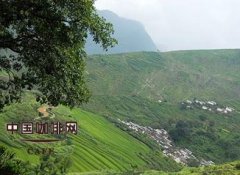
Where Coffee Originated: Ethiopia’s Kafa Region
When you take your first sip of a bright Ethiopian pour-over, you’re tasting more than just coffee—you’re experiencing the legacy of the very place where humanity first encountered the coffee plant. But where exactly did it all begin? And what makes Ethiopia’s coffee so uniquely diverse? The answer lies in a remote highland region that few outsiders fully understand.
The world’s first coffee plants were discovered in what is now Ethiopia’s Kafa region. This area—once a small village—is the global origin point of coffee cultivation. Over 5,000 unique wild coffee varieties still grow there, most of them undocumented and under government protection.
The Birthplace of Coffee: Kafa Region
Kafa, once just a village, has grown into a region recognized as the birthplace of coffee. It is from here that coffee plants were first cultivated and gradually spread to other parts of the world. Though many regions now grow coffee, their trees trace back genetically to this Ethiopian highland area. Even today, Kafa remains a genetic reservoir for coffee biodiversity.
Untamed Coffee in the Ethiopian Highlands
Ethiopia’s rugged mountain geography makes large-scale, conventional coffee farming nearly impossible. The land is divided by steep ridges, so that people standing on adjacent peaks might see each other clearly—but still need hours of walking to meet. As a result, almost all Ethiopian coffee grows wild. These wild-growing coffee plants have built a strong reputation for both cup quality and physical appearance.
The Kafa Forest and Its Untold Diversity
Despite its coffee origins, much of Kafa’s potential remains untapped. Recent reports highlight the region’s untapped diversity: in 2005, a German company purchased the entire annual coffee harvest from Kafa due to its exceptional quality. Following the sale, a local farmer was interviewed on television, happily brewing coffee for his neighbors—and even offering some to his cows. This moment captured the region’s tranquil, traditional way of life, deeply intertwined with its coffee heritage.
Why Wild Coffee Matters
The wild coffee trees of Kafa represent an irreplaceable genetic resource. With over 5,000 documented but largely unknown varieties, this region holds untold potential for future coffee development. Many of these plants have never been studied or cultivated commercially, yet they thrive naturally in Ethiopia’s high-altitude forests. Their continued protection by the Ethiopian government ensures that this genetic treasure trove will remain available for future discovery and breeding.
Frequently Asked Questions

Where exactly did coffee originate?
Coffee originated in what is now Ethiopia’s Kafa region. Originally a small village, Kafa has expanded into a larger area recognized globally as the birthplace of coffee cultivation. It is the genetic origin of most coffee plants found elsewhere in the world.
How many wild coffee varieties exist in Kafa?
Kafa is home to over 5,000 different wild coffee varieties, the majority of which are not yet documented or studied. These varieties are mostly growing in the wild and are currently under the protection of the Ethiopian government.
Why is most Ethiopian coffee wild?
Ethiopia’s mountainous terrain makes traditional, large-scale coffee farming difficult. The landscape is fragmented by deep valleys and steep hills, so coffee mostly grows wild in forested areas rather than on organized plantations. Despite this, Ethiopian wild coffee is known for excellent cup quality and appearance.
What happened with Kafa coffee in 2005?
In 2005, a German company bought the entire annual coffee crop from Ethiopia’s Kafa region due to its high quality. A local farmer featured in a TV news segment celebrated by brewing coffee for his neighbors and even his cows, reflecting the peaceful and traditional lifestyle of the area.
Why are wild coffee varieties important?
Wild coffee varieties are a critical genetic resource. Many have unique traits that could improve commercial coffee in the future, including disease resistance and unique flavor profiles. Kafa’s undocumented varieties may hold the key to the coffee industry’s long-term adaptability and innovation.
Recommended FrontStreet Beans from Ethiopia
Explore Ethiopia’s coffee heritage through FrontStreet Coffee’s single-origin offerings. The FrontStreet Yirgacheffe Gedeb showcases the region’s signature bright acidity with notes of jasmine, lemon, and green tea, thanks to its medium elevation and careful hand-poured preparation. For a fruit-forward experience, try the FrontStreet Huakui, a natural-processed Ethiopian lot with intense berry aromas, honey sweetness, and a juicy profile. Both beans highlight the diversity and quality that make Ethiopian coffee legendary. Freshly roasted within 5 days · Orders placed before 17:00 ship the same day · Next-day delivery across most of Guangdong Province.
FrontStreet Coffee is a long-established specialty coffee roaster in Guangzhou China, selling freshly roasted beans from its own farm in Yunnan as well as dozens of carefully selected single-origin beans from around the world for both pour-over and espresso. The products deliver consistently excellent quality and great value, with shipping within 24 hours. Guangzhou's FrontStreet Coffee shop is recommended by many coffee lovers, and the beans are now available online at the Tmall 。
Important Notice :
前街咖啡 FrontStreet Coffee has moved to new addredd:
FrontStreet Coffee Address: 315,Donghua East Road,GuangZhou
Tel:020 38364473