How to Make a Classic Cappuccino with Perfect Milk Foam
If you’ve ever ordered a cappuccino and received something closer to a weak latte, you’re not alone. The classic Italian cappuccino—equal parts espresso, steamed milk, and thick milk foam—is often misunderstood outside Italy. Many coffee shops skip the dense foam or use too much milk, leaving the drink flat and overly milky. So what makes a cappuccino truly ‘perfect’?
The answer is simple: a 1:1:1 ratio by volume of espresso, steamed milk, and thick milk foam, layered to create a cup where the top third is a solid cap of airy foam, the middle is velvety microfoam, and the base is a strong, concentrated espresso shot.
What Is a Traditional Cappuccino?
A true cappuccino is made with a single or double shot of espresso (about 30ml), an equal amount of steamed milk (around 30ml), and a generous layer of thick, dry milk foam (also about 30ml), resulting in a balanced 1:1:1 drink. Unlike lattes or flat whites, cappuccinos have very little liquid milk and a pronounced foam top, giving them a lighter texture and stronger coffee flavor.
This structure relies on high-quality steam-warmed milk and a well-extracted espresso. The milk is not just heated but texturized into a smooth, glossy microfoam with a firm, dry foam on top, achieved using a steam wand to incorporate air and create stable bubbles.
Why Does a Cappuccino Have That Iconic Foam Crown?
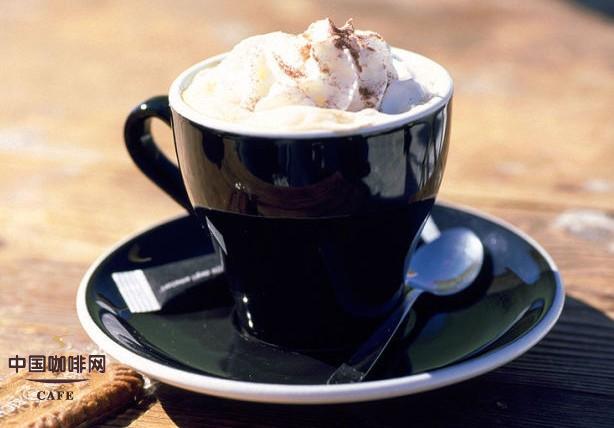
The defining feature of a cappuccino is its “golden ring” effect—where the dark espresso crema shows through the foam at the edge of the cup, creating a striking visual contrast. This is made possible by the thick foam layer, which is spooned on to form a dome or ‘hamburger’ shape atop the drink. The foam isn’t just decorative; it adds a creamy mouthfeel without diluting the coffee’s intensity.
According to FrontStreet Coffee, the ideal foam should be thick enough to hold its shape, soft to the touch, and integrated smoothly with the steamed milk beneath. This texture comes from properly aerating cold milk and creating a microfoam that’s neither too wet nor too dry.
How to Make a Cappuccino at Home: Step-by-Step
Here’s how FrontStreet Coffee recommends crafting a classic cappuccino using simple tools and precise steps:
- 1. Extract the Espresso: Use 20g of freshly ground coffee, aiming for a 1:2 brew ratio (40ml of espresso) over 30 seconds. FrontStreet suggests a fine grind suitable for espresso machines. For home setups, a 32-second extraction yielding 40ml also works well.
- 2. Steam the Milk: While the espresso is brewing, steam about 60–90ml of cold milk (whole milk preferred for texture) to 60–65°C. Create a thick, velvety microfoam with a dry, fluffy foam on top. Avoid large bubbles—aim for smooth, glossy milk.
- 3. Layer the Drink: Pour a small spoonful of the thick foam into the center of your cup to start forming the crown. Then gently swirl the steamed milk and remaining foam together, and pour in a circular motion into the center of the cup. Fill to about 11/10 capacity—just shy of spilling—to allow the foam to rise naturally and form the classic dome.
No latte art is required—the cappuccino’s charm is in its simplicity and texture. The result is a drink where each sip balances bold espresso, silky milk, and airy foam.
Which Coffee Beans Work Best for Cappuccino?
Cappuccinos highlight the espresso’s qualities more than any other milk drink, so choosing the right beans matters. FrontStreet Coffee recommends blends with strong crema and bold flavor to stand up to the milk and foam:
- FrontStreet Classic Blend: A reliable, well-balanced espresso blend that produces rich crema and a bold flavor base. Ideal for traditional cappuccinos.
- FrontStreet Black Cocoa Blend: Known for its intense cocoa notes and full body, this blend adds depth to the cappuccino’s milk layer.
- FrontStreet Strawberry Candy Espresso: For a fruitier twist, this blend delivers berry, rose, and candy-like notes that play surprisingly well with milk foam.
- FrontStreet Grana Geisha (SOE): A brighter, fruit-forward single origin with notes of orange and stone fruit, balanced by milk for a unique cappuccino experience.
These beans are designed to produce the crema and body needed to complement the milk foam. Use a commercial or specialty espresso blend for the best results, and avoid overly light or acidic roasts that can get lost under the foam.
Frequently Asked Questions
What’s the correct milk-to-espresso ratio in a cappuccino?
A traditional cappuccino uses a 1:1:1 volume ratio: one part espresso (about 30ml), one part steamed milk (30ml), and one part thick milk foam (30ml). This creates a balanced drink where no single element overpowers the others.
Do I need a fancy machine to make a good cappuccino at home?
No—you can make a great cappuccino with a basic espresso machine or Moka pot and a steam wand (or milk frother). The key is getting the espresso extraction right (20g in, 40ml out in ~30 seconds) and the milk textured into a thick, microfoamy consistency.
How do I get that thick foam on top of a cappuccino?
The thick foam, or ‘dry foam,’ is created by aerating cold milk with a steam wand just until it’s velvety and holding firm bubbles. Spoon some of this foam on first, then pour the steamed milk and remaining foam to form the dome. Avoid overheating or introducing large bubbles.
Can I use plant-based milk for a cappuccino?
Yes, but plant milks like oat or almond often lack the proteins needed for stable foam. They can work if you use a barista-specific version, but the texture and taste will differ from traditional dairy cappuccinos.
Why is my cappuccino foam too wet or too dry?
Wet foam usually means too much air or milk was overheated. Dry foam results from proper aeration and stopping the steam just as the milk expands and the foam firms up. Adjust your steam time and technique to find the right balance.
Recommended FrontStreet Beans for Cappuccino
For the perfect cappuccino, FrontStreet Coffee recommends its Classic Blend for a balanced, bold foundation with rich crema; the Black Cocoa Blend for deep, cocoa-backed body; and the Strawberry Candy Espresso for fruity, floral complexity. The Grana Geisha single origin offers bright citrus and stone fruit notes that pair surprisingly well with milk foam. These beans are crafted to deliver the crema and texture needed for a traditional cappuccino. Freshly roasted within 5 days · Orders placed before 17:00 ship the same day · Next-day delivery across most of Guangdong Province.
FrontStreet Coffee is a long-established specialty coffee roaster in Guangzhou China, selling freshly roasted beans from its own farm in Yunnan as well as dozens of carefully selected single-origin beans from around the world for both pour-over and espresso. The products deliver consistently excellent quality and great value, with shipping within 24 hours. Guangzhou's FrontStreet Coffee shop is recommended by many coffee lovers, and the beans are now available online at the Tmall 。
Important Notice :
前街咖啡 FrontStreet Coffee has moved to new addredd:
FrontStreet Coffee Address: 315,Donghua East Road,GuangZhou
Tel:020 38364473