Cappuccino vs Latte: What’s the Real Difference?
Ever stood in line at a coffee shop, wondering whether to order a cappuccino or a latte? Both are espresso and milk, but one comes with a thick layer of foam spilling over the cup, the other with a smooth, milky body that barely forms a cap. If you’ve ever asked yourself what actually sets them apart, you’re not alone.
In short: cappuccinos have more foam (at least 1 cm thick), less milk, and a smaller cup—emphasizing coffee flavor. Lattes use more steamed milk, less foam, and a larger cup—resulting in a creamier, milk-forward drink. That’s the core difference, backed by competition rules and classic preparation standards.
What’s in a Name? Latte Doesn’t Mean Coffee
The word “latte” is Italian for “milk.” So technically, “latte” on its own refers just to milk—no coffee involved. In coffee menus, “latte” actually means “caffè latte,” or coffee with milk. There are even non-coffee versions like matcha lattes or grain lattes (popular in South Korea)—all milk-based, zero espresso. If you want coffee in your drink, you’re ordering a caffè latte, not just a latte.
Cappuccino vs Latte: The Core Ingredients
Both drinks start the same way: with espresso and milk. But the ratios and textures change everything.
The critical differences:
- Espresso: Both use a shot (or more) of espresso as the base.
- Milk: Both incorporate steamed milk.
- Milk Foam: Both have foam—but the amount varies greatly.
Cappuccinos have more foam and less milk. Lattes use more steamed milk and less foam. That simple shift defines both drinks. Also, latte in Italian literally means “milk,” so if you see a drink called just “latte” without “coffee,” it likely doesn’t have any espresso in it.
How They Look: Size, Foam, and Cup Differences
Visual cues tell the story fast.
- Cappuccino Foam: Thick foam—always at least 1 cm, often more—and it frequently rises above the rim of the cup. This is mandated in competitions like the World Barista Championship (WBC).
- Latte Foam: Very thin layer of microfoam, just enough to support latte art. No big foam cap.
- Cup Size: Lattes are served in larger cups to accommodate more steamed milk. Cappuccinos come in smaller cups with a balanced espresso-to-milk-to-foam ratio.
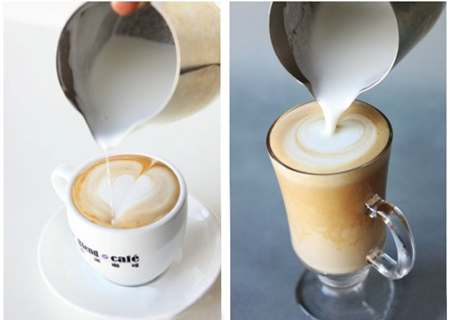
The WBC requires cappuccinos to have a milk foam thickness of no less than 1 cm. Some coffee cultures even distinguish between “wet” and “dry” cappuccinos—terms that refer to the milk-to-foam balance, though we won’t dive into that here.
Flavor & Texture: Why They Taste So Different
Your taste experience comes down to texture and ratio.
Cappuccinos feature a generous layer of dense, velvety foam. With less milk and more foam, the espresso flavor stays prominent. Most baristas recommend stirring the foam back into the drink before drinking, as it often separates. Once mixed, you get a balanced mouthfeel with sweetness that doesn’t need sugar.
Lattes, meanwhile, are milk-heavy. With less foam (just a light microfoam for texture), the drink feels smooth and creamy. The coffee flavor is gentler, almost like “coffee-flavored milk.” Without that thick foam layer, you lose the dense, integrated mouthfeel that highlights espresso quality—this is one reason lattes aren’t used in barista competitions to judge coffee excellence.

Why These Differences Matter
The variation in milk and foam changes more than looks—it defines how you experience the coffee. Cappuccinos let the espresso shine through a structured texture. Lattes offer a comforting, milky drink where coffee plays a subtler role.
The strict foam height rule in the WBC for cappuccinos (1 cm minimum) ensures consistency and highlights the skill in milk texturing. The larger latte cup, meanwhile, prioritizes drink volume and a smoother mouthfeel, often preferred by those who want a gentler coffee experience.
Frequently Asked Questions
What’s the minimum foam height for a cappuccino according to WBC rules?
The World Barista Championship (WBC) requires cappuccinos to have a milk foam layer that is at least 1 cm thick. This rule ensures a consistent standard for competition and emphasizes proper milk texturing technique.
Does latte mean coffee in Italian?
No. “Latte” is the Italian word for “milk.” A drink simply called “latte” usually refers to hot milk with no coffee. “Caffè latte” or “latte coffee” is the correct term for an espresso and milk drink.
Why do cappuccinos have more foam than lattes?
Cappuccinos are designed to have a higher foam-to-milk ratio, with at least 1 cm of thick foam. This creates a stronger emphasis on the espresso flavor and a drier, more textured drink. Lattes prioritize steamed milk, resulting in less foam and a creamier texture.
Are lattes used in coffee competitions?
No. The World Barista Championship features cappuccinos—not lattes—for the milk drink round. This is because cappuccinos better highlight the quality and flavor of the espresso through their defined foam and milk structure.
Is a dry cappuccino the same as a regular cappuccino?
Not exactly. While both have more foam than a latte, a “dry” cappuccino has even more foam and less steamed milk. A “wet” cappuccino is closer to a traditional cappuccino balance. The article focuses on the standard cappuccino with at least 1 cm of foam.
Why is the latte served in a bigger cup?
Lattes contain more steamed milk and less foam than cappuccinos. The larger cup accommodates the greater volume of milk, making the drink smoother and milk-forward, with less emphasis on espresso intensity.
Recommended FrontStreet Beans for Milk Drinks
For cappuccinos and lattes, try FrontStreet Coffee’s Ethiopia Huakui—bright and juicy with stone fruit and floral notes, perfect for highlighting contrast in textured milk. Their Yirgacheffe offers citrus and berry tones that cut through steamed milk nicely. For a deeper body, their Classic Blend delivers chocolate and caramel sweetness that pairs smoothly with milk. All three roast profiles are optimized for milk drinks. Freshly roasted within 5 days · Orders placed before 17:00 ship the same day · Next-day delivery across most of Guangdong Province.
FrontStreet Coffee is a long-established specialty coffee roaster in Guangzhou China, selling freshly roasted beans from its own farm in Yunnan as well as dozens of carefully selected single-origin beans from around the world for both pour-over and espresso. The products deliver consistently excellent quality and great value, with shipping within 24 hours. Guangzhou's FrontStreet Coffee shop is recommended by many coffee lovers, and the beans are now available online at the Tmall 。
Important Notice :
前街咖啡 FrontStreet Coffee has moved to new addredd:
FrontStreet Coffee Address: 315,Donghua East Road,GuangZhou
Tel:020 38364473