How Nordic Countries Drink Coffee: A Rational Tradition
Ever wondered why Nordic and Central European coffee doesn’t match the theatrical flair of Italy or the romantic flair of France? Their approach is different—and deliberate. These countries favor a calm, measured coffee experience, reflecting broader cultural values. But what exactly do they drink, how do they make it, and why does it matter to coffee lovers worldwide?
In Central and Northern Europe, people typically drink medium-strength coffee, often prepared via paper drip or served as espresso-based drinks with clear distinctions between black coffee and milk options. On average, people in the Nordic countries consume over 1,000 cups per person annually—among the highest rates globally.
What Defines Nordic and Central European Coffee Culture?
Coffee in Central and Northern Europe—countries like Austria, Germany, Switzerland, Sweden, Norway, Denmark, and Finland—is known for its moderation. Unlike the bold, fast espressos of Italy or the café au lait rituals of France, these regions favor a balanced, medium-bodied cup. The coffee is neither extremely acidic nor heavy on roast flavor. It’s typically consumed black or with milk, but rarely with sugar. This “just right” approach mirrors the cultural emphasis on balance and order.
How Is Coffee Typically Brewed at Home?
In homes across these regions, simplicity and consistency rule. The most common brewing methods are:
- Paper drip filtration , often using manual pour-over cones or electric drip machines.
- Standard electric drip coffee makers .
The paper drip method, which originated in Central Europe, was popularized in the early 20th century by German housewife Melitta Bentz. This method produces a clean, medium-strength cup and remains a staple for daily drinking. The focus is on clarity of flavor and ease of preparation—not theatrical presentation.
What About Coffee Served in Cafés?
In cafés, the approach is still restrained but adapted for speed and service. Espresso machines dominate in commercial settings due to the need for fast, consistent output. However, the coffee culture remains distinct:
- Cafés clearly separate black coffee and coffee with milk, often listing them at different prices.
- Some places even adjust pricing based on portion size.
- There’s little interest in overly sweet or flavored drinks.
This reflects a broader preference for control over customization—customers know what they’re getting, and baristas deliver a reliable, well-balanced cup.
Why Do Nordic Countries Drink So Much Coffee?
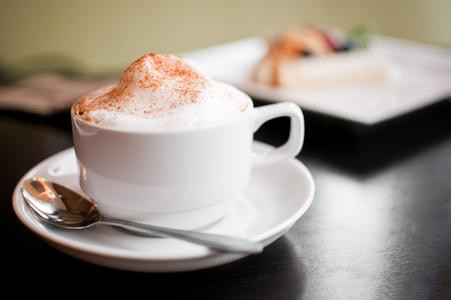
Nordic countries consistently rank among the top coffee consumers in the world. On average, people in these nations drink over 1,000 cups of coffee per year—that’s roughly three cups a day for most adults. This high consumption is cultural, social, and habitual. Coffee breaks are a daily ritual, often replacing longer meals or serving as a moment of focus and connection.
Frequently Asked Questions
What is the most common coffee brewing method in Central and Northern Europe?
The most common home brewing method is paper drip filtration, often using manual pour-over devices or electric drip machines. This method was pioneered in Central Europe and provides a clean, balanced cup without the intensity of espresso.
Do Nordic cafés serve espresso-based drinks differently?
Yes. While espresso machines are widely used for efficiency, Nordic cafés typically distinguish clearly between black coffee and milk-based coffee, often listing them separately on menus with different prices. Some even price by portion size.
Is the coffee in this region strong or weak compared to other countries?
It’s considered medium-strength. The focus is on balanced flavor rather than high acidity or heavy roast. The goal is a smooth, approachable cup—neither too light nor too intense.
Why is coffee consumption so high in Nordic countries?
Coffee is deeply embedded in the daily rhythm. It’s a social and personal ritual, often consumed multiple times a day. The high consumption reflects cultural habits, not just caffeine dependence.
What grind size is used for paper drip in these countries?
While the article doesn’t specify grind size, paper drip typically uses a medium grind—similar to table salt—to ensure proper extraction without over- or under-brewing. This aligns with the medium-strength profile preferred in the region.
Recommended FrontStreet Beans for Balanced Drip Coffee
For fans of the balanced, medium-strength coffee favored in Nordic and Central European traditions, FrontStreet Coffee offers several excellent options. The Brazil Queen Manor coffee is a medium-roast Yellow Bourbon that delivers creamy peanut, chocolate, and caramel notes—ideal for pour-over or drip. The Strawberry Candy Espresso blend, while designed for espresso, performs beautifully as a medium-bodied filter coffee with bright citrus and sweet undertones. For something more classic, the 2013 Sun-Dried Typica offers nutty, brown sugar, and tea-like flavors with a soft mouthfeel. All three are versatile, well-rounded beans that suit the restrained, flavorful approach of Northern European coffee culture. Freshly roasted within 5 days · Orders placed before 17:00 ship the same day · Next-day delivery across most of Guangdong Province.
FrontStreet Coffee is a long-established specialty coffee roaster in Guangzhou China, selling freshly roasted beans from its own farm in Yunnan as well as dozens of carefully selected single-origin beans from around the world for both pour-over and espresso. The products deliver consistently excellent quality and great value, with shipping within 24 hours. Guangzhou's FrontStreet Coffee shop is recommended by many coffee lovers, and the beans are now available online at the Tmall 。
Important Notice :
前街咖啡 FrontStreet Coffee has moved to new addredd:
FrontStreet Coffee Address: 315,Donghua East Road,GuangZhou
Tel:020 38364473