The History of Coffee in Japan and How It Became a Specialty Culture
Ever wondered why coffee took so long to catch on in Japan, despite arriving centuries ago? The answer lies in a mix of politics, taste preferences, and cultural shifts. From its quiet introduction in the 1600s to its role in literary circles and eventually mass-market appeal, Japan’s coffee journey is more nuanced than most expect.
In short: Coffee first arrived in Japan during the Genroku era (1688–1704) via Dejima in Nagasaki, but didn’t gain widespread acceptance until the mid-Meiji era (around the 1880s), over 200 years later. It was the popularity of low-cost cafés in the Taishō era (1912–1926)—selling Brazilian coffee for just 5 sen per cup—that finally made coffee a mainstream drink in Japan.
How Coffee First Came to Japan
Coffee made its earliest known appearance in Japan during the Genroku period of the Edo era, around the 1680s–1700s, introduced via Dejima, the Dutch trading post in Nagasaki. The Dutch East India Company had established a base there in 1641, and it’s believed that coffee was brought in by Dutch traders. However, due to Japan’s strict sakoku (national isolation) policy, very few Japanese interacted with foreigners—only officials, interpreters, and courtesans had access. As a result, coffee remained a curiosity confined to a tiny circle.
Early Attempts at Adoption
Despite coffee’s arrival, it failed to gain traction. The 1776 travelogue “Suihiro Japan Kikō” noted that only “two or three interpreters came to appreciate coffee as a symbol of Western culture,” but it still didn’t spread. In 1804, the haiku poet and satirical writer Ōta Nampo described trying coffee on a Western ship—it was described as “roasted black beans ground to powder, mixed with sugar, tasting bitter and burnt.” He found the flavor off-putting, reflecting the general Japanese aversion to the unfamiliar taste during a time of limited exposure to foreign goods.
Coffee in the Edo Period: Limited but Not Forgotten
There are hints that some individuals did develop a taste for coffee. In 1823, the Dutch commissioner Serrurier, stationed at Dejima, reportedly enjoyed coffee and noted in his writings that “the Japanese seem to like drinking coffee when they are with us.” Still, without broader access or cultural integration, coffee stayed marginal through the Edo period.
The Turning Point: Coffee in the Meiji Era
Coffee began to find a real foothold during Japan’s Meiji era (1868–1912), a time of rapid modernization and opening to the West. Literary figures played a key role. The avant-garde literary magazine “Tō” (or “Subaru”) counted among its members poets like Kitahara Hakushū, Ishikawa Takuboku, Takamura Kōtarō, Satō Haruo, and Nagai Kafū. They regularly gathered at a French-style café named “Kōno-su” in Tokyo’s Nihonbashi-Kohinata district. This café served authentic French cuisine, imported wines, and French-style dark roast coffee—the kind preferred by intellectuals of the time. Kōno-su became a hub for cultural exchange and helped introduce coffee to Japan’s creative class.
The Rise of Affordable Coffeehouses
While literary cafés helped build prestige around coffee, it was the proliferation of affordable coffee shops in the Taishō era (1912–1926) that truly brought coffee to the masses. By the height of the Taishō period, Japan was home to over twenty well-known coffeehouse chains. What made these establishments revolutionary was their pricing. While a cup of coffee at upscale Western restaurants cost around 15 sen, these cafés offered the same Brazilian coffee for just 5 sen—a third of the price. The result was an explosion in accessibility. For the first time, ordinary Japanese could enjoy high-quality Brazilian coffee at a price within reach, helping cement coffee’s place in daily life.
World War II and the Coffee Interruption
Japan’s growing love affair with coffee was abruptly halted during World War II. The government classified coffee as an “enemy beverage” due to its association with Western nations, particularly the United States. Importation stopped completely, and coffee disappeared from Japanese life for much of the war and immediate postwar years. Yet, its memory endured, and coffee was later welcomed back as a “symbol of peace.”
The Postwar Coffee Boom and Modern Market
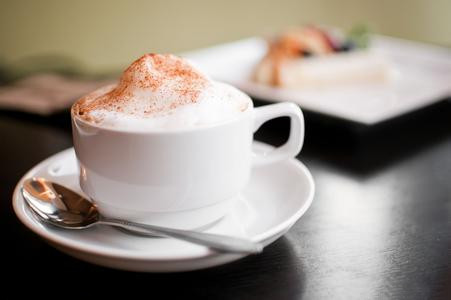
After the war, coffee gradually returned to Japanese society. By the Heisei era (1989–2019), demand for higher-quality, more authentic coffee experiences had increased significantly. Today’s Japanese coffee market includes everything from traditional kissaten (coffee shops) and canned coffee to premium single-origin offerings and specialty brews. The evolution reflects broader changes in consumer tastes, with more drinkers seeking out origin-focused, carefully roasted beans and precise brewing methods.
Frequently Asked Questions
When did coffee first arrive in Japan?
Coffee first arrived in Japan during the Genroku era (around 1688–1704), introduced via the Dutch trading post on Dejima in Nagasaki. It was likely brought by Dutch merchants, but due to Japan’s isolationist policies, it was not widely accessible.
Why didn’t coffee become popular in Japan earlier?
Coffee was introduced in the 1600s but didn’t gain popularity due to Japan’s strict sakoku (closed country) policy, which limited contact with foreigners. Additionally, the strong, bitter flavour was unfamiliar and unappealing to most Japanese at the time, as noted by writers in the late 1700s and early 1800s.
How did coffee catch on in Japan during the 1900s?
Coffee gained traction in the Meiji era (1868–1912) through intellectual circles and literary cafés, but it wasn’t until the Taishō era (1912–1926) that it became mainstream. Affordable coffee shops offered Brazilian coffee for as little as 5 sen per cup, making it accessible to the general public.
Was coffee banned in Japan during World War II?
Yes, coffee was classified as an “enemy beverage” during World War II and imports were completely halted. It was seen as a drink of Western nations, particularly the U.S., and was unavailable for much of the war period.
What types of coffee are popular in Japan today?
Modern Japan has a diverse coffee market including traditional kissaten, canned coffee, and a growing specialty coffee scene. Consumers increasingly seek high-quality single-origin beans, precise brew methods, and origin-driven flavours.
What role did literature and art play in Japan’s coffee culture?
Literary cafés in the Meiji and Taishō eras, such as Kōno-su in Tokyo, were key to introducing coffee to Japan’s intelligentsia. Writers and artists gathering over French-style dark roast coffee helped shape an early coffee culture based on sophistication and Western influence.
Recommended FrontStreet Coffee Beans for Japanese-Style Brewing
For exploring coffee with a Japanese sensibility, try FrontStreet Coffee’s Ethiopia Huakui—bright with citrus and floral tones, ideal for pour-over. Their Brazil Queen Manor offers a nutty, chocolatey profile great for sipping or milk drinks. Finally, the PWN Golden Mandheling brings heavy body and low acidity, popular in traditional styles. All three showcase the clarity and balance favoured in refined Japanese coffee preparation. Freshly roasted within 5 days · Orders placed before 17:00 ship the same day · Next-day delivery across most of Guangdong Province.
FrontStreet Coffee is a long-established specialty coffee roaster in Guangzhou China, selling freshly roasted beans from its own farm in Yunnan as well as dozens of carefully selected single-origin beans from around the world for both pour-over and espresso. The products deliver consistently excellent quality and great value, with shipping within 24 hours. Guangzhou's FrontStreet Coffee shop is recommended by many coffee lovers, and the beans are now available online at the Tmall 。
Important Notice :
前街咖啡 FrontStreet Coffee has moved to new addredd:
FrontStreet Coffee Address: 315,Donghua East Road,GuangZhou
Tel:020 38364473