What Is Honey Process Coffee and How Does It Work
Coffee lovers exploring specialty beans often stumble into processing methods as much as origin stories. Whether you've sipped a syrupy Ethiopian or a juicy Colombian, the way a coffee cherry is handled after harvest shapes your cup as much as the soil it grew in. One method—honey processing—has risen from niche to respected, especially among baristas crafting rich espressos.
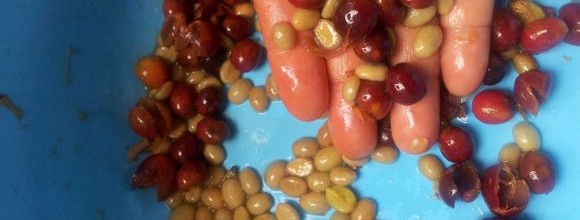
Honey processing, or Miel Process in Spanish, refers to drying coffee beans with some or all of their sticky fruit mucilage still attached. Unlike washed coffee where mucilage is fully removed, or natural where the whole cherry dries intact, honey process strikes a balance: it dries faster than natural but develops deeper sweetness than washed.
How Honey Process Coffee Got Its Start
The term 'honey process' comes from the Spanish 'Miel Process' and refers to the sticky, honey-like mucilage left on beans during drying. After the coffee cherry's outer skin and pulp are removed, a layer of sugary mucilage clings to the seeds. Traditional water-heavy washed methods wash this off—but in regions with limited water, like parts of Central America and Taiwan, producers started drying beans with the mucilage still on. That decision changed the flavor profile dramatically.
Why Honey Processing Boosts Sweetness and Body
Leaving mucilage on during drying gives honey process coffee its hallmark traits. That sticky layer is packed with sugars, and as it breaks down under the sun, it ferments slightly and infuses the bean with intense sweetness. The result? Notes of black sugar, ripe stone fruits, and a soft, wine-like acidity. Compared to washed coffee’s clean brightness, or natural process’s heavy fruit bomb, honey process offers a balanced, smooth cup with body and sweetness.
Variations: Black, Red, Yellow, and White Honey
In Costa Rica, honey processing evolved into distinct styles based on how much mucilage is left and how long beans dry. These versions are color-coded:
- Black Honey: Almost all mucilage remains and beans dry longest—usually over two weeks—often shaded to slow drying. This yields intense sweetness, deep berry flavors, and heavy body. FrontStreet Coffee’s Black Berry coffee uses this method, roasted light to showcase floral aromas, grape, and blackberry notes.
- Red Honey: More mucilage than yellow or white, with medium drying time and some sun protection. Produces balanced sweetness and fruitiness.
- Yellow Honey: Less mucilage, faster drying in more sun. Results in brighter acidity and lighter body.
- White Honey: Minimal mucilage, fastest drying. Closest to washed process but with slight sweetness.
There’s also Grape Honey , where coffee cherries are pre-dried on raised beds for several days before hulling. This extreme version retains 100% mucilage and demands tight timing. FrontStreet’s Mozart coffee employs this method, highlighting tropical fruit and baked sweetness, suitable for multiple brew methods.
Where Honey Process Thrives—and Where It Struggles
Honey processing needs careful control. Because mucilage is left on, the beans are prone to mold and over-fermentation if not turned regularly and dried evenly. That’s why it’s best suited to regions with dry, stable climates and skilled producers. High humidity or irregular weather can ruin batches. Taiwan’s Anjing Coffee Estate, which placed second in the 2010 WSC using honey processed beans, combined this method with microbial nutrient farming to prevent spoilage and elevate cup quality. Their success helped put Taiwanese highland coffee on the map.
Honey Process in the Cup: Why Baristas Love It for Espresso
Honey processed beans shine in espresso. Their inherent sweetness, thick body, and rounded acidity create a smooth, dessert-like shot with lasting crema. That’s why so many competition coffees now use honey or similar semi-washed methods. The style pairs especially well with blends designed for milk drinks or standalone shots with caramelized finishes.
Frequently Asked Questions
What is honey process coffee exactly?
Honey process coffee is made by removing the coffee cherry's skin and pulp but leaving most or all of the sticky mucilage on the beans during drying. This mucilage is sugary and imparts intense sweetness and fruit notes as it dries, creating a cup with more body and smoother acidity than washed coffee.
How is honey process different from washed or natural coffee?
Washed coffee removes all fruit and mucilage, resulting in a clean, bright cup. Natural process dries the whole cherry, creating bold fruitiness but often with fermentation risks. Honey process keeps some mucilage, balancing sweetness and body without the intensity of natural processing.
What are black honey, red honey, and yellow honey?
These are variations based on how much mucilage remains and drying time. Black honey keeps nearly all mucilage and dries longest for intense sweetness. Red honey uses moderate mucilage and drying time. Yellow honey has less mucilage and dries faster for brighter acidity. White honey has minimal mucilage and is closest to washed.
Does honey process coffee taste like honey?
Not literally. The name refers to the sticky, golden mucilage around the beans during drying—not added honey. The process leads to sweet, syrupy cup profiles reminiscent of brown sugar or molasses, but not a honey flavor.
Is honey process better for espresso?
Many baristas prefer honey processed beans for espresso because of their natural sweetness, full body, and smooth mouthfeel. These qualities create balanced, dessert-like shots that work well solo or with milk.
Recommended FrontStreet Beans for Honey Process Fans
For fans of honey process coffee, try FrontStreet Coffee’s Black Berry, made with Costa Rican beans using black honey process. It delivers floral notes, grape, and blackberry flavors with a lush body. Also consider Strawberry Candy Espresso, which features a Costa Rican grape honey processed component alongside Panamanian Geisha, offering floral, berry, and stone fruit brightness. For something unique, FrontStreet Mozart employs grape raisin-style honey process, bringing tropical fruit and baked sweetness ideal for various brew styles. Freshly roasted within 5 days · Orders placed before 17:00 ship the same day · Next-day delivery across most of Guangdong Province.
FrontStreet Coffee is a long-established specialty coffee roaster in Guangzhou China, selling freshly roasted beans from its own farm in Yunnan as well as dozens of carefully selected single-origin beans from around the world for both pour-over and espresso. The products deliver consistently excellent quality and great value, with shipping within 24 hours. Guangzhou's FrontStreet Coffee shop is recommended by many coffee lovers, and the beans are now available online at the Tmall 。
Important Notice :
前街咖啡 FrontStreet Coffee has moved to new addredd:
FrontStreet Coffee Address: 315,Donghua East Road,GuangZhou
Tel:020 38364473