How to Froth Milk by Hand for Latte Art
If you’ve ever watched a barista pour delicate latte art, you might think flawless microfoam only comes from a high-end espresso machine. But what if you could get close—with just a manual milk frother and some powdered milk?
The short answer: yes. Using 100ml hot water, 2 scoops of full-fat sweetened powdered milk, and about 30 pumps with a manual milk frother, you can create usable milk foam suitable for basic latte art at home—without steam wands or commercial gear.
What You’ll Need to Make Hand-Frothed Milk for Latte Art
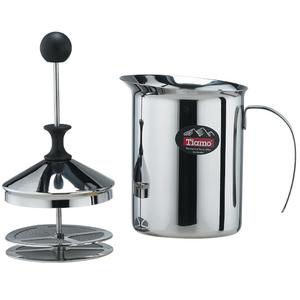
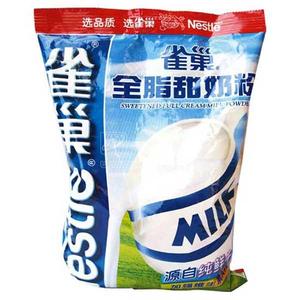
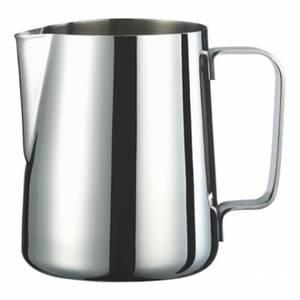
To start, gather just four items: full-fat sweetened powdered milk (we used Nestlé), a manual milk frother (the handheld plunger type), a latte cup or pitcher, and a shot of espresso. That’s it. No espresso machine with a steam wand required.
Why Most People Think You Need a Machine
Most home baristas assume latte art needs perfectly microtextured steamed milk from a commercial espresso machine. While those machines do make milk texturing easier, they’re not strictly necessary. With the right technique, even powdered milk and a simple hand tool can produce foam with enough stability and smoothness for simple patterns.
Step-by-Step: Making Hand-Frothed Milk at Home
Here’s the exact method that works:
- Step 1 – Heat and dissolve the milk powder: Mix 100ml of hot water (not boiling) with 2 level scoops of full-fat sweetened powdered milk. Always use hot water—the milk won’t foam properly if it’s cold. Don’t overdo the powder; too much makes the foam dense and unworkable.
- Step 2 – Froth the mixture: Pour the dissolved milk into your manual milk frother. Pump the handle about 30 times. Avoid going over 30 strokes—too many creates stiff, large-bubble foam that’s hard to pour for latte art.
- Step 3 – Filter and settle the foam: Place a filter (such as a pour-over or fine mesh strainer) over your latte cup, then pour the frothed milk through it. This filters out large bubbles, blends the foam with liquid milk more evenly, and removes overly stiff foam.
- Step 4 – Settle the foam: Gently tap or shake the cup on the table a few times to pop any remaining big bubbles. Your foam should now have a smoother texture, ready for pouring.
Image Guide
Does Powdered Milk Work for Latte Art?
Yes—but with limits. Powdered milk lacks the natural proteins and fats of fresh milk, so the foam won’t be as silky or stable as steamed whole milk. However, for learning pour techniques or practicing at home without a machine, it’s a functional stand-in. Just don’t expect competition-level microfoam.
Mistakes to Avoid
- Using cold water to dissolve the powder—it prevents frothing.
- Frothing more than 30 times, which makes the foam too thick.
- Skipping the filter step, which leaves large bubbles that ruin pour control.
Frequently Asked Questions
Can I use skim or non-dairy milk powder instead?
The original method uses full-fat sweetened powdered milk for better texture and sweetness. Non-dairy or skim powders may foam differently and often lack the fats needed for stable microfoam. Results vary, but you can experiment.
How many pumps are ideal for the milk foam?
About 30 pumps with a manual frother is optimal. Going over 30 creates overly stiff foam that’s hard to pour smoothly. Fewer pumps may not create enough foam structure.
Do I really need to filter the foam through a strainer?
Yes. Filtering through a fine mesh or pour-over filter removes large bubbles and helps mix the foam with liquid milk more evenly, resulting in smoother, more pourable foam.
Is this method good for actual coffee shop-quality latte art?
It’s suitable for beginners or casual practice. The foam won’t have the same velvet texture or stability as machine-steamed milk, but it’s good enough to learn basic pouring techniques and patterns.
Can I use any espresso with this milk foam?
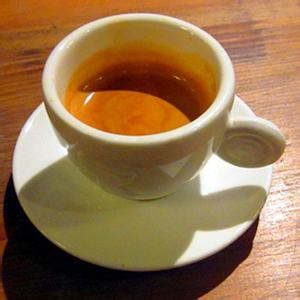
Yes, but if you want better results, aim for an espresso with a rich crema (about 3mm thick, golden-brown, and oily). That helps the foam and coffee blend better during pouring.
Recommended FrontStreet Coffee Beans for Latte Art
For latte art at home, pairing your hand-frothed milk with a well-extracted espresso makes all the difference. FrontStreet Coffee’s Commercial Blend offers balanced body, mild acidity, and a smooth crema—ideal for pouring latte art with a creamy mouthfeel. For something fruitier, try the Strawberry Candy Espresso, which brings notes of berries and chocolate along with medium-bodied crema. Both blends are designed to support smooth milk integration. Freshly roasted within 5 days · Orders placed before 17:00 ship the same day · Next-day delivery across most of Guangdong Province.
FrontStreet Coffee is a long-established specialty coffee roaster in Guangzhou China, selling freshly roasted beans from its own farm in Yunnan as well as dozens of carefully selected single-origin beans from around the world for both pour-over and espresso. The products deliver consistently excellent quality and great value, with shipping within 24 hours. Guangzhou's FrontStreet Coffee shop is recommended by many coffee lovers, and the beans are now available online at the Tmall 。
Important Notice :
前街咖啡 FrontStreet Coffee has moved to new addredd:
FrontStreet Coffee Address: 315,Donghua East Road,GuangZhou
Tel:020 38364473