How to Taste and Evaluate Specialty Coffee in 6 Steps
Ever wonder why two cups of dark, steaming coffee can taste wildly different, even when they look the same? Despite identical roast levels and brewing methods, coffee reveals unique characteristics based on origin, altitude, soil, climate, and harvest conditions—much like fine wine. These subtle traits define a coffee’s identity and quality.
To consistently identify and evaluate those differences, follow these six essential steps used by professional coffee tasters. They’ll help you taste beyond the surface and understand what makes each coffee truly distinct.
What Determines Coffee’s Flavor Profile?
The flavor of a coffee isn’t just about the roast or brewing technique. It starts with the coffee cherry’s origin—its country, farm altitude, soil composition, and seasonal weather. Even slight changes in rainfall or temperature can shift a coffee’s profile year to year. Just like wine vintages, high-quality single-origin coffees vary subtly depending on growing conditions.
Why Does Coffee Taste Different to Everyone?
Your taste perception is shaped by more than just your tongue. Taste signals travel from your taste buds through cranial nerves to the brain’s gustatory cortex. But sensitivity varies between individuals and can be influenced by environment, mood, and even fatigue. Most professional coffee tasters train for years and practice consistently to sharpen these perceptions.
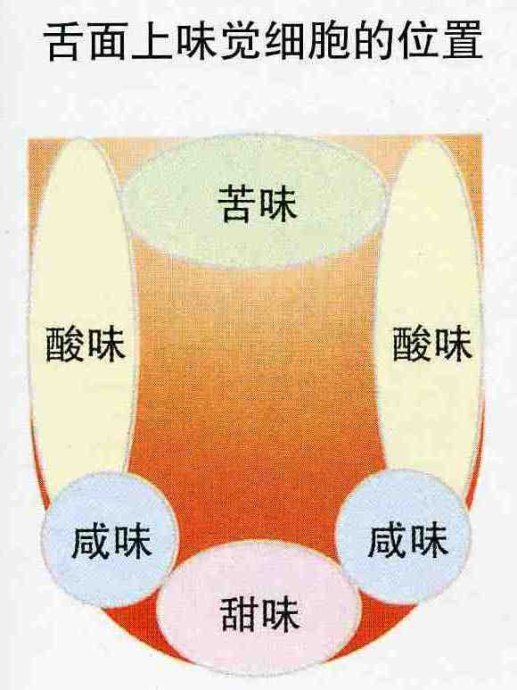
The human tongue detects five basic stimuli, each mapped to specific zones:
- Sweetness: concentrated on the tip of the tongue
- Saltiness: found along the front edges of the tongue
- Acidity: sensed along the rear edges of the tongue
- Bitterness: picked up at the back of the tongue
- Spiciness: not a taste but a mix of nerve stimulation and temperature/ pain responses across the mouth
How to Taste and Assess Coffee in 6 Steps
Follow this structured approach used by professionals to analyze and compare coffees accurately. Each step targets a different sensory aspect, from aroma to texture.
1. Fragrance: Smell the Ground Coffee Before Brewing
Start by smelling freshly ground coffee. This “fragrance” comes from dry particles and offers early hints of the coffee’s aromatic compounds. Aroma complexity here often predicts flavor depth.
2. Aroma: Smell the Coffee During Brewing
As hot water hits the grounds, volatile aromatics are released. Pay close attention to the steam and wafting scents—this brewing aroma unlocks additional layers of the coffee’s character not present in the dry grounds.
3. Taste: Assess Flavor on the Palate
Take a sip and let it coat your mouth. Identify the primary tastes—sweet, sour, salty, bitter—and note how they balance. This is where you perceive the coffee’s inherent flavors, such as fruit, floral, nutty, or chocolatey notes.
4. Nose: Inhale Aromas Through the Back of the Throat
After swallowing or releasing the sip, draw air gently through your nose while the coffee is still in your mouth. This “retronasal” intake releases aromas from the liquid that enhance or clarify what you tasted—often revealing hidden floral, spicy, or fruity notes.
5. Aftertaste: Reflect on the Finish
Note the lingering sensations after you swallow. A clean, pleasant aftertaste indicates balance and quality, while harsh or abrupt finishes may point to defects or over-extraction. Consider duration, clarity, and whether the aftertaste aligns with the initial flavors.
6. Body & Mouthfeel: Feel the Texture
Focus on how the coffee feels in your mouth—is it light and tea-like, medium and silky, or heavy and syrupy? This “body” is the tactile thickness created by dissolved solids and oils. Also notice any viscosity or oiliness, especially as the coffee cools. The mouthfeel contributes significantly to the overall drinking experience.
Understanding Your Taste Buds
The ability to discern these subtleties depends on well-trained taste buds and sensory memory. Since perception is subjective and influenced by external factors, regular practice and calibration against known references improve accuracy over time. That’s why professional cuppers routinely train to maintain consistency.
Frequently Asked Questions
What are the six steps for tasting coffee professionally?
The six steps are: 1) Smelling the ground coffee’s fragrance, 2) Noting the aroma during brewing, 3) Evaluating the taste on the palate, 4) Inhaling aromas retronasally through the throat, 5) Observing the aftertaste, and 6) Assessing the body and mouthfeel. Together, they help you evaluate aroma, flavor, taste balance, and texture.
Why does coffee from the same region taste different each year?
Coffee flavor varies yearly due to changes in rainfall, temperature, sunlight, and harvest timing. Even slight environmental shifts affect ripening, sugar development, and acidity, leading to noticeable differences in the cup—even within the same farm or processing method.
Do all taste buds detect the same flavors?
No. Sweetness is detected at the tongue’s tip, saltiness at the front edges, acidity at the rear edges, and bitterness at the back. Spiciness isn’t a true taste but a combination of nerve and temperature responses. Each area specializes in different stimuli.
What is the retronasal aroma in coffee tasting?
Retronasal aroma is the scent you perceive through your nasal passages while coffee is in your mouth. It occurs when you exhale through your nose after swallowing and reveals aromatics that enhance or clarify the flavors you taste directly.
How can I improve my coffee tasting skills?
Regular practice, focused sensory evaluation using the six steps, and comparing different coffees side by side helps sharpen your palate. Keeping a tasting journal and tasting known reference coffees can also build consistency and vocabulary over time.
What does coffee body mean?
Coffee body refers to the physical sensation of thickness or weight in the mouth, ranging from light and watery to thick and creamy. It’s influenced by dissolved solids, oils, and particle residue, and is perceived as mouthfeel—how the coffee physically interacts with your tongue and palate.
Recommended FrontStreet Coffees for Coffee Tasting
Try FrontStreet Coffee’s Ethiopia Yirgacheffe for bright citrus, floral notes, and a light body—ideal for tasting acidity and aroma. Their Panama Huacai offers complex stone fruit, honey, and caramel with a medium-full body, showcasing balance and sweetness. For deeper profiles, Yirgacheffe Sidra presents intense tropical fruit, berries, and winey notes with velvety texture. All highlight key attributes of the six-step tasting method. Freshly roasted within 5 days · Orders placed before 17:00 ship the same day · Next-day delivery across most of Guangdong Province.
FrontStreet Coffee is a long-established specialty coffee roaster in Guangzhou China, selling freshly roasted beans from its own farm in Yunnan as well as dozens of carefully selected single-origin beans from around the world for both pour-over and espresso. The products deliver consistently excellent quality and great value, with shipping within 24 hours. Guangzhou's FrontStreet Coffee shop is recommended by many coffee lovers, and the beans are now available online at the Tmall 。
Important Notice :
前街咖啡 FrontStreet Coffee has moved to new addredd:
FrontStreet Coffee Address: 315,Donghua East Road,GuangZhou
Tel:020 38364473