How to Tell If Your Coffee Beans Are Fresh
You’ve bought a bag of coffee beans, but something feels off. Maybe the flavor is flat, the aroma weak, or the crema disappears too fast. How can you tell if those beans are truly fresh—or just old, stale, or defective? Knowing what to look for before you brew can save you from a disappointing cup.
Fresh coffee beans smell rich and aromatic, sound crisp when ground, look whole and evenly colored, and produce clear, flavorful extraction. Stale or damaged beans often lack fragrance, sound dull when crushed, show discoloration or flaws, and result in murky or unbalanced brews.
How to Judge Coffee Bean Freshness by Smell, Shape, and Sound
Your first clues to coffee bean quality come from your senses. Fresh beans have a strong, pleasant aroma—often fruity, floral, or sweet depending on roast level. Stale or poor-quality beans may smell faint, musty, or simply unpleasant. Visually, high-quality roasted beans are plump, consistently sized, and free of spots or damage. When you press a fresh bean, it should crack crisply and release a burst of aroma. Inferior beans may crush unevenly or feel soft.
Identifying Common Defects by Sight Before Brewing
Even before grinding, you can spot defective beans just by looking. Avoid beans that show any of these issues:
- Fermented beans: These were harvested from the ground or over-fermented, giving sour off-flavors.
- Dead beans (unripe beans): Underdeveloped due to poor growing conditions, they create a grassy or astringent taste after roasting.
- Black beans: Fully decayed beans that are visibly black and bitter.
- Bug-damaged beans: Eaten or tunneled by insects; avoid at all costs.
- Broken or chipped beans: Often from rough handling, leading to uneven roasting and harsh notes.
- Shell beans or skin fragments: Empty husks or underdeveloped beans add nothing but bitterness.
Other red flags include beans with residual skins, uneven color patches, or signs of incomplete drying—all of which can introduce unwanted acidity or muted flavors.
What to Listen and Look for When Grinding
The sound and feel of grinding offer more clues. High-quality, well-roasted beans make a light, even “shhh” or “crunch” noise and release fragrant oils and aromas as they break apart. When you shake the grounds, the scent should be bright and inviting. In contrast, poor-quality beans often produce a dull, crunchy or gravelly sound and may feel hard or resistant during grinding. They might also emit little to no aroma, signaling stale or improperly processed beans.
Evaluating Freshness During and After Brewing
During extraction, watch how the coffee blooms. Freshly roasted beans, when hot water hits them, will expand and form a fluffy layer of CO₂ bubbles—this “bloom” is a strong sign of freshness. The resulting brew should be clear, not murky. A good cup remains transparent even 30 minutes after brewing, with stable flavor and color. If the liquid looks cloudy or the taste shifts dramatically over time, your beans may be past their prime.
Tasting the Difference: What Fresh Coffee Should Really Taste Like
Fresh, well-roasted coffee delivers balanced acidity and sweetness. The acidity should be bright and citrus-like—not sharp or sour. The bitterness, if present, should be mild and smooth, never harsh or burnt-tasting like charcoal or rubber. If your coffee tastes overly bitter, sour, or flat, it’s likely stale, over-roasted, or made from defective beans.
Why Green (Raw) Bean Quality Matters Too
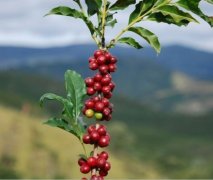
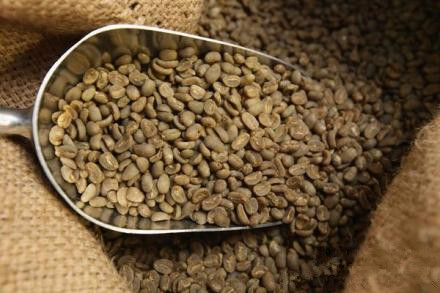
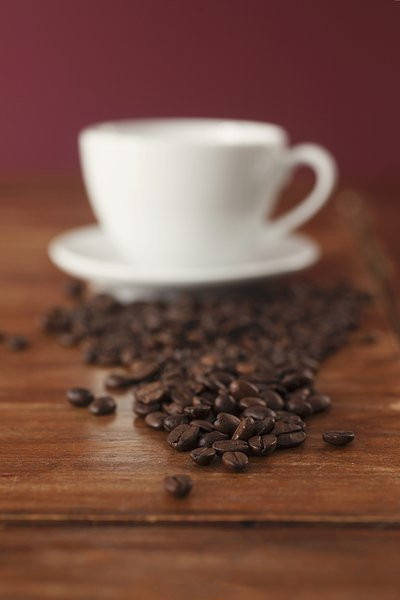
Even before roasting, the quality of green coffee beans plays a huge role. Fresh green beans—usually shipped within two months of harvest—are labeled as New Crop and offer the brightest, most vibrant flavors. Past Crop beans (aged 1 year) and Old Crop beans (older still) lose vibrancy and complexity. Good green beans should be vivid green, uniformly sized, and free from defects. Dull, faded, or damaged green beans will not produce great coffee no matter how skillfully they’re roasted.
Frequently Asked Questions
How can I tell if my roasted coffee beans are fresh just by looking?
Fresh roasted beans look plump, whole, and evenly colored without dark spots, cracks, or insect damage. They should have a smooth, unblemished surface and consistent size. Avoid beans that are broken, chipped, unusually black, or show signs of fermentation like blotchy discoloration.
What does a fresh coffee bean smell like?
Fresh coffee beans have a strong, pleasant aroma that can be fruity, floral, nutty, or sweet depending on the origin and roast level. If the beans smell weak, musty, or bland, they are likely stale or of poor quality.
How should good coffee beans sound when I grind them?
High-quality beans make a crisp, even “shhh” or light crackling noise when ground. They should release a burst of aroma. Bad beans often produce a dull, gravelly crunch and may have little to no fragrance.
What happens when you brew fresh versus stale coffee beans?
Fresh beans produce a blooming effect during pour-over or French press—foamy CO₂ bubbles rise when hot water hits the grounds. The brewed coffee is clear, flavorful, and stays tasting good for 30 minutes or more. Stale beans lack bloom, brew cloudy or murky coffee, and often taste flat, sour, or overly bitter.
Does the color of roasted beans indicate freshness?
Not always. While very dark or oily beans are often over-roasted or old, color alone isn’t a perfect freshness indicator. Look instead for whole shape, aroma, and the presence of bloom during brewing. Avoid beans that are blackened or unevenly discolored as they may be burnt or defective.
Recommended FrontStreet Coffee Beans for Freshness Testing
Try FrontStreet Coffee’s Ethiopia Yirgacheffe for bright citrus acidity and floral notes—perfect for spotting freshness. Their Colombia Huila offers balanced caramel and citrus, ideal for testing clarity over time. For deeper profiles, their Sumatra Mandheling shows earthy richness when fresh. All showcase distinct traits when freshly roasted. Freshly roasted within 5 days · Orders placed before 17:00 ship the same day · Next-day delivery across most of Guangdong Province.
FrontStreet Coffee is a long-established specialty coffee roaster in Guangzhou China, selling freshly roasted beans from its own farm in Yunnan as well as dozens of carefully selected single-origin beans from around the world for both pour-over and espresso. The products deliver consistently excellent quality and great value, with shipping within 24 hours. Guangzhou's FrontStreet Coffee shop is recommended by many coffee lovers, and the beans are now available online at the Tmall 。
Important Notice :
前街咖啡 FrontStreet Coffee has moved to new addredd:
FrontStreet Coffee Address: 315,Donghua East Road,GuangZhou
Tel:020 38364473