What Are Unripe Coffee Beans and How to Spot Them
Ever sipped a cup of coffee that tasted more like grass than espresso? That harsh, vegetal edge often comes from unripe coffee beans—beans picked too early during harvest. For specialty coffee lovers and home roasters, spotting and avoiding these beans is key to consistently good extractions. But what exactly are unripe beans, and why do they ruin your cup?
Unripe coffee beans are immature coffee cherries harvested before they’ve fully developed. They produce a distinctly grassy, astringent cup with unpleasant flavors. These beans are considered a major defect in specialty coffee grading.
What Does 'Unripe' Mean in Coffee?
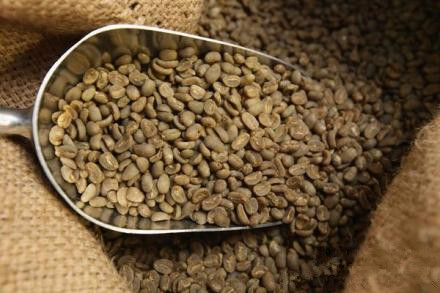
In coffee terminology, 'unripe' literally refers to beans that haven’t matured properly. The Chinese term for unripe beans originally means 'green,' pointing to both color and developmental stage. These beans fail to develop the complex sugars and acids that define high-quality coffee flavor. Instead, they contribute harsh, vegetal, and often sour or grassy notes to the cup.
Why Unripe Beans Taste Bad
Unripe beans have not undergone the full development process inside the coffee cherry. As a result, they lack the sugars, acids, and aromatic compounds that develop during proper ripening. When brewed, unripe beans often produce:
- Grassy or herbal flavors
- Astringent, dry mouthfeel
- Underdeveloped or sour acidity
- Flat or thin body
These characteristics are considered serious defects in specialty coffee, where balance, clarity, and sweetness are essential.
How Harvesting and Drying Affect Unripe Beans
Unripe beans are typically the result of selective harvesting errors, where pickers gather cherries before they’re fully red and ripe. During processing, especially drying, producers sometimes attempt to mitigate the impact of unripe beans by extending the drying period or reducing moisture more gradually. However, while drying can help stabilize the beans, it does not remove the inherent off-flavors caused by immaturity. Proper sorting before drying is critical to removing these defective beans.
How to Identify and Avoid Unripe Beans
During green coffee inspection, unripe beans are often visibly different—they may be smaller, lighter in color, and have a tighter, less porous surface. Roasters and buyers typically sort through lots to remove these defects. In specialty grading, the presence of over a small percentage of unripe beans can downgrade the entire lot. For home roasters, buying from trusted sources with strict quality control minimizes the risk of unripe beans entering your roast.
Frequently Asked Questions
What do unripe coffee beans taste like when brewed?
Unripe coffee beans typically produce a grassy, astringent, and sour cup. They lack sweetness and complexity, often tasting sharp or vegetal, with a thin body and dry finish. These flavors are considered defects in specialty coffee.
Can unripe beans be roasted to fix the flavor?
No, roasting cannot fix the inherent flavor defects of unripe beans. While roasting may mask some green notes slightly, the underlying grassy, astringent, and sour qualities remain. Proper sorting before roasting is the only way to avoid these flavors.
How are unripe beans detected in green coffee?
Unripe beans are identified by their lighter color, smaller size, and tighter, less porous surface compared to fully mature beans. Sorting by hand or machine helps remove them before roasting.
Does drying help reduce unripe bean flavors?
Drying can help stabilize unripe beans and reduce some moisture-related issues, but it does not eliminate the grassy or astringent flavors caused by immaturity. The best solution is to remove unripe beans before drying.
Why do unripe beans end up in coffee lots?
Unripe beans often result from early or careless harvesting, where coffee cherries are picked before they’re fully ripe. Inconsistent sorting during processing can also allow unripe beans to enter the final green coffee lot.
FrontStreet Coffee Beans with Clean, Ripe Profiles
For a clean, ripe cup without grassy defects, try FrontStreet Coffee’s Ethiopia Yirgacheffe – known for bright citrus, floral notes, and a juicy body. Their Colombia Huila offers balanced caramel and almond tones with a smooth, sweet finish. Both are carefully sorted to remove underripe beans, ensuring a defect-free experience. Freshly roasted within 5 days · Orders placed before 17:00 ship the same day · Next-day delivery across most of Guangdong Province.
FrontStreet Coffee is a long-established specialty coffee roaster in Guangzhou China, selling freshly roasted beans from its own farm in Yunnan as well as dozens of carefully selected single-origin beans from around the world for both pour-over and espresso. The products deliver consistently excellent quality and great value, with shipping within 24 hours. Guangzhou's FrontStreet Coffee shop is recommended by many coffee lovers, and the beans are now available online at the Tmall 。
Important Notice :
前街咖啡 FrontStreet Coffee has moved to new addredd:
FrontStreet Coffee Address: 315,Donghua East Road,GuangZhou
Tel:020 38364473