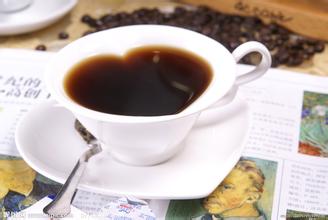
40 European & Global Specialty Coffee Recipes with Exact Ratios
Looking to expand your coffee menu beyond the usual espresso and pour-over? Whether you're running a café or experimenting at home, these 40 detailed European and global specialty coffee recipes offer precise measurements, ratios, and traditional service methods—from creamy Vienna-style blends to spicy Middle Eastern infusions. These aren't generic drinks; they're regionally authentic, with exact coffee volumes, milk types, temperatures, and even garnishes.
In total, you’ll find 40 unique coffee drink recipes here, each with specific coffee-to-milk ratios, exact temperatures (like 60–70°C for milk), spice inclusions (such as 3 cardamom-like spices), and proper serving styles—from small cups (kleiner brauner) to large Austrian-style servings with cream. Every detail is preserved exactly as sourced.
Small-Serve European Coffees with Milk
Many classic European coffee drinks come in small sizes designed for quick enjoyment. These include the Kleiner Brauner, a small cup (80cc) of slightly dark-roasted coffee with just 30cc of hot milk (60–70°C), served either mixed or poured separately from a pitcher—common at busy food stalls for a fast breakfast coffee. For espresso lovers, the Mocha Kleiner serves 70cc of dark roast straight up, meant to be sipped slowly with just a glass of water and spoon on the side, creating a relaxed, affordable coffee moment. The Mocha Großer ups the volume to 170cc of dark roast coffee, served the same minimalistic way. Both Mocha variants illustrate how European coffee culture often separates milk entirely, letting drinkers customize or enjoy pure espresso flavor.
Coffee with Milk: Ratios, Temperatures, and Styles
When milk enters the picture, European recipes often specify exact coffee and milk volumes along with precise temperatures. The Brauner Großer combines 150cc of dark roast coffee with 50cc of hot milk (60–70°C), while the Austrian Großer includes 150cc coffee, 20cc milk, and tops it with 20cc whipped cream—a traditional Viennese presentation. For those seeking a creamier balance, the Milchkaffee (Japanese-style term, though it means ‘coffee with milk’) blends 80cc of dark roast coffee with 50cc of hot milk (80–90°C, not boiled). Each recipe pays close attention to texture and temperature, ensuring the milk enhances rather than overwhelms the coffee.
Spiced, Regional, and Gourmet Coffee Variations
Beyond basic milk-and-coffee pairings, these recipes explore global spice traditions and rich additions. The Mexican Butter Coffee calls for 15g of dark roast coffee, 200cc water, 15g sugar, and finishes with 20g of butter, simmered then filtered—a technique said to add body. For a warming herbal blend, Ginger Coffee mixes 150cc of dark roast with 3 ginger slices and 20cc honey. Spiced options like Five-Spice Coffee incorporate cinnamon, cloves, cardamom, Jamaican pepper, and sugar (10g), creating an aromatic brew for spice lovers. Meanwhile, Turkish Coffee uses ultra-fine grounds (6–7g) with 80cc water, boiled and re-boiled twice before serving unfiltered with optional pastries. Each drink tells a regional story through its ingredients and technique.
Creamy, Decaf, and Layered Presentation Styles
Some recipes focus on texture and layered presentation. The Swedish Egg Coffee emulsifies 1 egg yolk with sugar and water, then slowly adds 100cc of warm coffee (50–60°C), topped with 10cc cream and cocoa powder—popular in Nordic regions. For a lighter option, Decaf Cream Coffee uses 80cc decaf coffee with 60cc frothed milk. And the Three-Bean Coffee layers 60cc dark roast, 60cc milk foam, and 20cc honey, garnished with 3 whole coffee beans symbolizing fruit, green, and roasted beans—named after a Mexican coffee brand’s logo. Even decaf drinkers get creamy options here, with foam milk spooned on top for a gentler caffeine experience.
Frequently Asked Questions
What is a Kleiner Brauner and how is it served?
A Kleiner Brauner is a small (80cc) cup of slightly dark-roasted coffee with 30cc of hot milk (60–70°C). The milk may be poured directly into the coffee or served separately in a pitcher. 'Kleiner' means small and 'Brauner' refers to the brownish color created by adding a little milk. It’s a common quick breakfast coffee found at food stalls.
How does Austrian coffee differ in serving style and ingredients?
Austrian coffee varies by size (small or large) and often includes milk or cream. For example, the Austrian Großer includes 150cc of dark roast coffee with 20cc milk and 20cc whipped cream on top. Some coffees are served with a glass of water and spoon, especially in traditional service settings, allowing a slower, more relaxed drinking experience.
What spices are used in Five-Spice Coffee and how is it prepared?
Five-Spice Coffee is made with 13g of dark roast coffee, 200cc water, 10g sugar, and a mix of spices including cinnamon, cloves, cardamom, and Jamaican pepper. All ingredients are boiled together, removed from heat once boiling, rested for a minute, then filtered. It’s designed for those who enjoy aromatic, spiced coffee flavors.
How is Turkish coffee traditionally prepared and served?
Turkish coffee uses 6–7g of extremely finely ground dark roast coffee (similar to cocoa powder) with 80cc water. It’s boiled, allowed to settle, then briefly re-boiled before serving unfiltered. It’s often accompanied by small pastries and is a ceremonial drink in Turkish households.
What’s unique about Swedish egg coffee?
Swedish egg coffee combines 1 egg yolk with 30cc water and 10g sugar, then slowly incorporates 100cc of warm coffee (50–60°C). The mixture is heated while stirring, then poured over cream and dusted with cocoa powder. It’s especially popular in Nordic countries and offers a rich, emulsified texture.
Can I make decaf versions of these coffee drinks?
Yes, for example, Decaf Cream Coffee uses 80cc of decaffeinated coffee with 60cc of frothed milk. It’s served with the foam spooned on top, offering a creamy option without caffeine. This style is common in Italian-style cafés and is gentler for those avoiding caffeine.
Recommended FrontStreet Beans for European-Style Coffee
For these European-style recipes, try FrontStreet Coffee’s Ethiopia Humbera for bright floral notes with citrus and jasmine—great in milk-forward drinks. Their Jamaica Blue Mountain No.1 offers a balanced, medium-bodied cup with nutty sweetness, ideal for spiced or whipped cream coffees. For a deeper profile, the PWN Golden Mandheling brings chocolatey and spicy undertones, perfect for traditional dark roasts in brauner or mocha styles. Freshly roasted within 5 days · Orders placed before 17:00 ship the same day · Next-day delivery across most of Guangdong Province.
FrontStreet Coffee is a long-established specialty coffee roaster in Guangzhou China, selling freshly roasted beans from its own farm in Yunnan as well as dozens of carefully selected single-origin beans from around the world for both pour-over and espresso. The products deliver consistently excellent quality and great value, with shipping within 24 hours. Guangzhou's FrontStreet Coffee shop is recommended by many coffee lovers, and the beans are now available online at the Tmall 。
Important Notice :
前街咖啡 FrontStreet Coffee has moved to new addredd:
FrontStreet Coffee Address: 315,Donghua East Road,GuangZhou
Tel:020 38364473