52 Specialty Hot Coffee Recipes: Austrian & Global Café Menu Ideas
Looking for unique hot coffee recipes to inspire your café menu or home brewing? This collection of 52 specialty coffee drinks draws from Austrian tradition, Nordic techniques, and global influences—from simple café standards to spiced and layered creations. Each recipe includes exact measurements, temperatures, and serving methods so you can recreate them precisely.
In total, you’ll find 52 carefully documented hot coffee drink recipes, each with specific coffee volumes, milk or cream amounts, temperatures, and optional ingredients like spices, chocolate, or butter. These range from small black coffees with milk to rich egg-based Nordic drinks and spiced Middle Eastern-style brews.
Small Coffees with Milk and Cream
21. Kleiner Brauner (Small Brown Coffee)
A small, slightly dark-roasted coffee (80cc) served with 30cc of hot milk (60–70°C). ‘Kleiner’ means small; ‘Brauner’ refers to coffee that turns brown from a touch of milk. Often, milk is served separately in a pitcher. Common at breakfast stalls for a quick caffeine boost.
22. Small Mocha Coffee (A)
Served black: 70cc of slightly dark-roasted coffee. Basic service includes just cup, saucer, and spoon. For a relaxed experience (B), add a water glass and spoon on the tray—ideal for lingering over an affordable cup.
23. Large Mocha Coffee
Features 170cc of slightly dark-roasted coffee, served black. Two service styles: minimal (cup, plate, spoon) or more leisurely (with water and spoon on tray). In Austria, ‘mocha’ often means strong or espresso-style coffee.
Larger Coffees & Austrian Favorites
24. Large Brown Coffee
Made with 150cc of slightly dark-roasted coffee and 50cc of hot milk (60–70°C). Served as a larger portion; milk may be offered separately. A standard Austrian-style coffee, especially when ‘coffee’ is ordered without specification.
25. Large Austrian Coffee
Includes 150cc of slightly dark-roasted coffee, 20cc hot milk, and 20cc whipped cream floated on top. The coffee and milk are mixed to a brown color. This is the classic presentation for a standard ‘coffee’ order in Austria.
26. German Coffee
Served as 300cc brewed coffee, with 50cc of whipped cream and a small piece of dark chocolate on the side. Best enjoyed with Western pastries. Germans often pair coffee with chocolate for a premium experience.
Milk-Based and International Coffees
27. Milk Coffee (Japanese Style)
Prepared with 80cc of dark-roasted coffee and 50cc of milk heated to 80–90°C (do not boil). More coffee than milk, reflecting Japanese preference. Technically called ‘Coffee with Milk.’
28. Mexican Butter Coffee
Brewed from 15g of dark-roast coffee grounds, 200cc water, 15g sugar, and finished with 20g butter. Simmered then filtered; butter adds richness. Popular in New Mexico, sometimes served with chewable butter.
29. Ginger Coffee
Combines 150cc of slightly dark-roasted coffee with 3 slices of ginger and 20cc honey. A traditional drink in Middle Eastern and Indian cultures, believed to help prevent colds. Honey is served on the side.
Sweet & Spiced Coffee Variations
30. Hot Cocoa Coffee
Mix 70cc dark-roast coffee with 70cc of prepared hot cocoa (made with 5g cocoa powder, 70cc milk, 10g sugar) and decorate with 5 small candy pieces. A Mexican favorite blending coffee and cocoa.
31. Swedish Egg Coffee
Blend 100cc of slightly dark-roast coffee with 1 egg yolk, 30cc water, 10g sugar, and 10cc cream. Cooked gently, then topped with cream and cocoa powder. Popular in Nordic countries with high per-capita coffee consumption.
32. Spiced Coffee (Five-Spice Joe)
Made with 13g of dark-roast coffee, 200cc water, 10g sugar, and a mix of cinnamon, cardamom, clove, Jamaican pepper, and nutmeg. Boiled briefly, then mixed with 60cc warm milk. Loved by spice enthusiasts.
33. Viennese Spiced Coffee
Includes 15g dark-roast coffee, 200cc water, cloves, cinnamon, Jamaican pepper, nutmeg, 10g sugar, and is topped with 20cc whipped cream and nutmeg. A hit among German-American communities.
Cream, Chocolate & Decaf Specialties
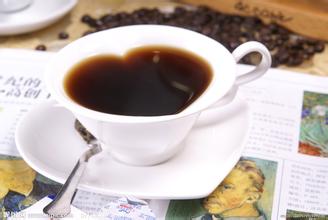
34. German Cream Coffee
Served as 130cc of slightly dark-roast coffee with 30cc whipped cream and a side of chocolate. Known as ‘cream mocha’ in German-speaking regions; considered a premium coffee style.
35. Turkish Coffee
Prepared from 6–7g of finely ground dark-roast coffee (like cocoa powder), 80cc water, and optional pastries. Brewed by boiling, cooling, then boiling again. Traditional method preserved in Vienna and Turkish ceremonies.
36. Cocoa Pot Coffee
Features 150cc coffee, 15cc cocoa liqueur, 20cc whipped cream, and a side pot of 100cc coffee. Served all together for a rich layered drink. Popular in Austria and Germany.
37. Decaf Cream Coffee
Made with 80cc decaf coffee and 60cc foamed milk. Lighter caffeine option with smooth texture. Common in Italian-style cafés and decaf menus.
Coffee with Milk Layers & Regional Twists
38. Austrian Milk Coffee
Layers 50cc coffee over 100cc hot milk, then adds 20cc whipped cream. A dessert-like coffee preferred by women, similar to ice cream coffee drinks.
39. Double Coffee
A large serving of 240cc of slightly dark-roast coffee with a side chocolate square. Popular in cafés combining sweets and coffee, especially for older male patrons.
40. Three-Bean Coffee
Layers 60cc dark coffee, 60cc milk foam, and 20cc honey, then garnishes with 3 coffee beans symbolizing fruit, raw bean, and roasted bean. Named after a Mexican coffee company logo.
Frequently Asked Questions
What is a Kleiner Brauner?
A Kleiner Brauner is a small coffee (80cc) made with slightly dark roast and 30cc of hot milk, served at 60–70°C. ‘Kleiner’ means small, and ‘Brauner’ refers to the coffee’s light brown color from the milk. Milk may be served in a pitcher instead of mixed in.
How is Austrian coffee different from regular coffee?
Austrian coffee often includes specific ratios of coffee to milk or cream, such as 150cc coffee with 20cc milk and 20cc whipped cream (Large Austrian Coffee). It is categorized by size (small or large) and commonly served with water or chocolate on the side.
What is Swedish egg coffee?
Swedish egg coffee is made by cooking 100cc of dark-roast coffee with an egg yolk, sugar, water, and cream, resulting in a smooth cup. It’s topped with whipped cream and cocoa powder, reflecting Nordic coffee traditions.
How do you make traditional Turkish coffee?
Turkish coffee is prepared with 6–7g of finely ground dark roast, 80cc water, and boiled twice. It’s served unfiltered with optional pastries. The method is traditional in Turkey and preserved in places like Vienna.
Can I make a layered coffee at home like Three-Bean Coffee?
Yes, layer 60cc of dark coffee, then foam 60cc of milk carefully over it, and add 20cc honey. Garnish with 3 coffee beans to represent the fruit, raw bean, and roasted bean. Serve as a specialty layered drink.
Recommended FrontStreet Beans for Specialty Coffees
For these European and global-inspired coffee recipes, try FrontStreet Coffee’s Ethiopia Humbera for bright floral notes with citrus and stone fruit, perfect for milk coffees and spiced blends. The PWN Golden Mandheling offers heavy body and sweet spice, ideal for creamy drinks like Viennese or German cream coffee. For a chocolatey base in mochas or cocoa coffee, the FrontStreet Classic Blend provides balanced roast notes with cocoa and caramel. Freshly roasted within 5 days · Orders placed before 17:00 ship the same day · Next-day delivery across most of Guangdong Province.
FrontStreet Coffee is a long-established specialty coffee roaster in Guangzhou China, selling freshly roasted beans from its own farm in Yunnan as well as dozens of carefully selected single-origin beans from around the world for both pour-over and espresso. The products deliver consistently excellent quality and great value, with shipping within 24 hours. Guangzhou's FrontStreet Coffee shop is recommended by many coffee lovers, and the beans are now available online at the Tmall 。
Important Notice :
前街咖啡 FrontStreet Coffee has moved to new addredd:
FrontStreet Coffee Address: 315,Donghua East Road,GuangZhou
Tel:020 38364473