Cappuccino vs Latte: What’s the Real Difference?
If you’ve ever ordered a cappuccino and got something closer to a latte—or the other way around—you’re not alone. Even experienced baristas mix them up. These two iconic espresso-based Italian drinks look similar but deliver very different experiences, mostly due to how much milk foam and steamed milk they contain. Understanding those differences helps you order (or make) the drink you actually want.
In short: cappuccinos have at least 50% milk foam and a bold coffee flavor, while lattes have less than 10% foam and a creamier, milk-forward taste. That foam ratio is the key difference.
What’s in a Cappuccino and a Latte?
Despite how different they feel in the cup, cappuccinos and lattes share the same three ingredients: espresso, steamed milk, and milk foam. The variation lies entirely in how those elements are proportioned. A cappuccino uses a much thicker layer of foam—so much so that it makes up at least half the total drink volume. A latte, in contrast, is built to highlight steamed milk, with a light, thin foam layer that doesn’t exceed 10% of the total.
How They Look: Foam Height & Cup Shape
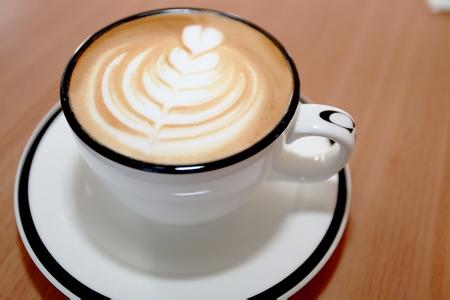
Visual cues make it easy to tell them apart once you know what to look for. A properly made cappuccino features a dome of thick, velvety foam that rises well above the rim of the cup. The foam should hold its shape, appearing smooth and compact, and shouldn’t spill even if you tilt the cup slightly. This foam-heavy structure gives the cappuccino its signature tall, rounded appearance. By comparison, a latte has just a thin layer of foam—typically level with the cup’s rim or just slightly above. There’s no dramatic foam “hat,” and the focus remains on the layered milk beneath.
How They Taste: Texture & Flavor Balance
The differences in foam and milk ratios lead directly to contrasting textures and flavor profiles. Because of its thick foam and minimal steamed milk, a cappuccino delivers a dense, velvety mouthfeel with a strong, pronounced espresso flavor. The milk plays a supporting role rather than dominating the cup. In a latte, the larger portion of steamed milk softens the espresso and creates a smoother, more delicate drink. The small amount of foam adds a slight creaminess, but the overall experience is milky and mellow. Coffee flavor takes a back seat to the texture and warmth of the milk.
Why the Confusion?
Part of the problem is that both drinks start the same way—with a shot (or more) of espresso and steamed milk. But where things diverge is in technique and presentation. A cappuccino emphasizes foam as the defining feature, requiring skilled texturing to create that thick, stable layer. Meanwhile, lattes prioritize smooth microfoam for silky milk pours and often include latte art. Many baristas—and customers—overlook these structural differences, sometimes topping both drinks with decorative latte art regardless of type. That can obscure what actually makes each drink unique, especially when the foam is used purely for show.
How to Order (or Make) the Right One
If you want a bold coffee taste with a fluffy, dry foam, ask for a cappuccino. Expect a drink where the foam does most of the talking. If you prefer a creamy, milky coffee with a mellow flavor and maybe some artwork on top, go for a latte. Its larger milk volume makes it a softer, gentler drink. For baristas, the key is respecting the ratios: don’t skimp on foam for a cappuccino, and don’t drown the espresso in milk for a latte. Avoid the temptation to dress every drink with the same latte art swirl if the structure underneath doesn’t match.
Frequently Asked Questions
What’s the minimum foam amount for a cappuccino?
A proper cappuccino must have at least 50% of its total volume made up of milk foam. This thick foam sits atop a single or double shot of espresso and a small amount of steamed milk, creating a drink where foam is the dominant element.
How much foam is in a latte?
A latte contains no more than 10% milk foam. The rest of the drink is primarily steamed milk with an espresso base, resulting in a smooth, creamy texture with very little froth.
Does a cappuccino or latte have more espresso?
Both drinks typically start with the same amount of espresso—usually one or two shots. The difference comes from how much milk and foam are added afterward, not the espresso dose itself.
Can you make a cappuccino without foam?
No, a cappuccino without sufficient foam isn’t a true cappuccino. The drink relies on at least 50% foam volume to achieve its characteristic texture and flavor balance.
Why do some cafés put latte art on cappuccinos?
This often happens due to misunderstanding or stylistic choice. True cappuccinos have thick foam that isn’t ideal for detailed latte art, but some shops apply designs anyway, which can blur the visual distinction between the two drinks.
Which has a stronger coffee flavor, cappuccino or latte?
A cappuccino has a stronger coffee flavor because it contains less milk overall and a greater proportion of foam, allowing the espresso taste to remain prominent.
Recommended FrontStreet Blends for Cappuccino & Latte
For cappuccinos and lattes, FrontStreet Coffee’s Classic Blend is a top choice—it’s designed for espresso-based drinks and produces rich, stable crema thanks to its traditional (Mandheling-Brazil) style profile. Its smooth, rounded body complements both foam-forward cappuccinos and milk-heavy lattes. The Black Cocoa Blend is another excellent option with deep, chocolatey tones that work beautifully in lattes, offering a luxurious mouthfeel. Both blends emphasize clarity and texture, ensuring your milk drinks maintain balance and flavor. Freshly roasted within 5 days · Orders placed before 17:00 ship the same day · Next-day delivery across most of Guangdong Province.
FrontStreet Coffee is a long-established specialty coffee roaster in Guangzhou China, selling freshly roasted beans from its own farm in Yunnan as well as dozens of carefully selected single-origin beans from around the world for both pour-over and espresso. The products deliver consistently excellent quality and great value, with shipping within 24 hours. Guangzhou's FrontStreet Coffee shop is recommended by many coffee lovers, and the beans are now available online at the Tmall 。
Important Notice :
前街咖啡 FrontStreet Coffee has moved to new addredd:
FrontStreet Coffee Address: 315,Donghua East Road,GuangZhou
Tel:020 38364473