
How Internet Cafés Profit by Serving Tech Circles
In 2009, a new kind of coffee shop opened in China—not for poets or freelancers, but for coders, founders, and VCs. These internet-themed cafés didn’t just sell lattes; they sold access, networking, and a physical hub for an industry that worked online. By 2011, three such cafés had proven you could build a business around a tight-knit professional circle. But how?
The key wasn’t coffee quality or fancy decor. It was locking in a specific community: internet professionals. Three pioneering cafés—Beta, Garage, and 3W—each carved out a niche within China’s tech ecosystem, turning their spaces into de facto offices, meeting halls, and hiring boards. Their success relied on location, founder credibility, and offering what remote work couldn’t: serendipitous collisions.
Beta Cafe: The Internet’s Living Room
When Beta Cafe launched in Hangzhou in June 2009, it was China’s first IT-focused coffee shop. Founder Bai Ya, with an internet background, invested ¥1 million to create what the team called “the living room of internet professionals.” The target? Everyone in the web industry. Early visitors were mostly friends from the tech scene, including industry leaders. Beta hosted both formal and informal gatherings, posted job ads on its walls, and even turned its restrooms into information hubs. Over time, it built a website, Flickr, and Twitter presence. Though the annual profit remains undisclosed, the cafe expanded to a second location in Beijing’s Zhongguancun district—a clear sign of demand.
Garage Cafe: Open-Plan Office with Coffee
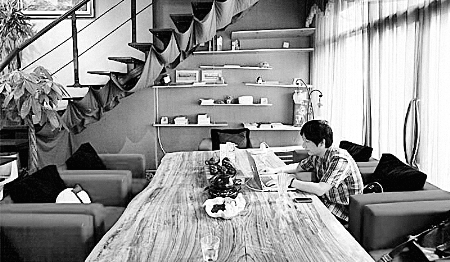
In April 2011, Garage Cafe opened near Beijing’s Zhongguancun West, home to tech giants like Sina and Microsoft. Founder Su Di, formerly in strategic investment at an IT firm, knew how hard it was for startups to find investors. Her solution? An 800-square-meter space (fitting ~150 people) where any entrepreneur could work for free—just by buying a coffee. The setup included desks, Wi-Fi, and testing devices for iPhones, Androids, tablets, plus projectors and touchscreens. Despite its slightly offbeat location, monthly rent was just ¥1,600. With utilities and staff costs factored in, breaking even required only ¥50,000 in monthly revenue—but actual income far exceeded that.
3W Cafe: Curated Networking for Web Insiders
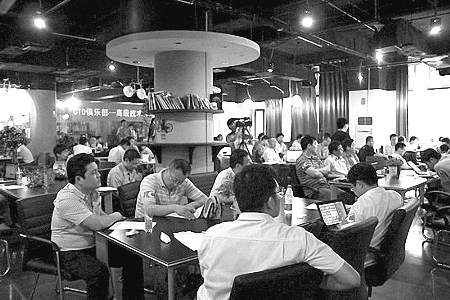
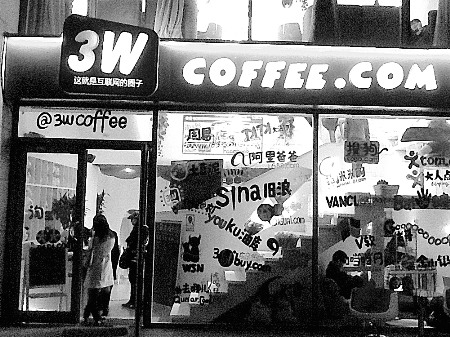
Four months after Garage, 3W Cafe debuted in the same Zhongguancun neighborhood. Co-founded by internet veterans Xu Dandan, Ma Delong, and Ella, it positioned itself as a venue for deep professional exchange. Ma handled offline platform development and salon investments; the others managed events, store operations, and shareholder activities. A standout feature: daily investor meetups where five pre-selected founders got one hour each with a VC—a rare perk for early-stage teams. From August 2011 to March 2012, 3W hosted 137 salons, helped three projects secure funding, tracked over a dozen active deals, and participated in 170+ investments. The goal? Build a mid-to-senior tier social circle where members could launch startups, grow professionally, or even become executives elsewhere.
Why These Cafés Worked: Community Over Coffee
The success of these three cafes hinged on three factors: founder expertise, strategic location, and community design. All three founders had deep ties to the internet industry, giving them credibility and connections. Beta’s Bai Ya and 3W’s trio leveraged their networks to attract the right crowd. Location mattered too—Zhongguancun in Beijing was (and still is) a tech hub, ensuring a steady flow of potential users. Garage’s slightly cheaper rent outside the main zone helped margins. But the real differentiator? Each cafe offered something digital work lacked: in-person interaction. Beta became a social hub, Garage a free office, and 3W a curated networking space. None relied solely on coffee sales; they monetized access and relationships.
Market Gap in Chongqing: Untapped Potential
While these models thrived in Beijing and Hangzhou, Chongqing—home to over 100,000 internet professionals—had none as of the report’s publication. The city’s government aimed for a ¥30 billion internet industry output by 2015, with growth concentrated in Yuzhong District and emerging areas like Liangjiang New Area. Commercial rents were relatively low (Yuzhong: ¥40–100/sq m/month; Jiangbei: ¥30–75/sq m/month), and a 300-sq m cafe could launch for ~¥300,000 including equipment and staffing. Yet despite the absence of commercial internet cafes, the existing internet industry park offered only non-profit salons and expert training. That gap hinted at significant unmet demand.
Lessons for Would-Be Copycats
Experts stressed that replicating these models required more than capital. “The key isn’t financial resources but providing resources—creating a platform for internet professionals to connect,” said 3W’s Bao Chunhua. Founders’ industry backgrounds were critical; all three original cafes succeeded partly because their leaders were already influential in the tech world. Location within a tech hub (like Zhongguancun) amplified reach. Operational costs mattered too: for Beta’s Beijing branch, venue expenses topped 50% of costs, labor another 30%. Above all, the theme had to resonate. “Internet atmosphere is paramount,” Bao added. “Rent, decor, and service staff are controllable—you can adjust those. But the vibe? That’s what draws people in.”
Expert Advice: Theme Matters, Engagement Counts
Analysts noted that these cafes succeeded because their founders were well-connected insiders, not traditional restaurateurs. “Many initiators used these spaces to expand their own networks, not primarily to run a cafe,” said CIC analyst Li Fangting. Yet operational gaps—like vague monetization strategies and lack of long-term experience—posed risks. Li advised future replicators to focus on engagement: making the theme a brand anchor and identifying shared traits among target users. Beyond internet themes, he suggested exploring library- or gallery-inspired cafes as niche variations. “Deep diving into a themed approach has huge potential,” he concluded.
Frequently Asked Questions
What made Beta Cafe successful?
Beta Cafe succeeded by positioning itself as the “living room of internet professionals.” Founded in Hangzhou in 2009 with ¥1 million in investment, it hosted informal and formal gatherings, displayed job ads, and even used its restrooms for information sharing. Its founder, Bai Ya, leveraged her internet background and network to attract industry leaders, expanding to a second location in Beijing’s Zhongguancun district.
How did Garage Cafe attract entrepreneurs?
Garage Cafe, which opened in Beijing’s Zhongguancun in 2011, offered free open-plan office amenities—desks, Wi-Fi, and testing devices for iOS, Android, and tablets—for any entrepreneur who bought a coffee. With monthly rent as low as ¥1,600 and break-even revenue at just ¥50,000, its low-cost setup and prime tech hub location made it a magnet for startups.
What was 3W Cafe’s unique value proposition?
3W Cafe, launched in 2011, curated daily investor meetings where five pre-selected founders got one hour each with a venture capitalist. Over seven months, it hosted 137 salons, facilitated three funded projects, and participated in 170+ investments. Its founders, all internet veterans, focused on building a mid-to-senior tier social circle for networking and professional growth.
Why weren’t there internet cafes in Chongqing despite its tech workforce?
Chongqing had over 100,000 internet professionals but no commercial internet cafes as of the report. While non-profit industry parks offered salons, the lack of a for-profit model left untapped demand. Low commercial rents (Yuzhong: ¥40–100/sq m/month; Jiangbei: ¥30–75/sq m/month) and a target 300-sq m cafe cost of ~¥300,000 suggested strong potential for such a venture.
What’s the biggest lesson from these cafes?
The biggest lesson is that community beats coffee. Success relied on founder expertise, strategic location (like Zhongguancun), and offering in-person value—networking, office space, or investor access—that digital work lacked. Monetizing access and relationships mattered more than beverage sales alone.
How important is the location for such cafes?
Location is critical. Beta, Garage, and 3W all thrived in tech hubs (Hangzhou, Beijing’s Zhongguancun) where their target audience already gathered. Lower rent (e.g., Garage’s slightly offbeat Beijing spot) helped margins, but proximity to potential users was the primary driver of foot traffic and community formation.
Recommended FrontStreet Beans for Tech Meetups
For internet-themed cafes, we recommend FrontStreet’s Ethiopia Huakui for its vibrant citrus and floral notes, perfect for energizing brainstorming sessions, and the PWN Golden Mandheling for its heavy body and chocolatey depth, ideal for longer discussions. Both single origins highlight craftsmanship and consistency—key traits for a professional crowd. Freshly roasted within 5 days · Orders placed before 17:00 ship the same day · Next-day delivery across most of Guangdong Province.
FrontStreet Coffee is a long-established specialty coffee roaster in Guangzhou China, selling freshly roasted beans from its own farm in Yunnan as well as dozens of carefully selected single-origin beans from around the world for both pour-over and espresso. The products deliver consistently excellent quality and great value, with shipping within 24 hours. Guangzhou's FrontStreet Coffee shop is recommended by many coffee lovers, and the beans are now available online at the Tmall 。
Important Notice :
前街咖啡 FrontStreet Coffee has moved to new addredd:
FrontStreet Coffee Address: 315,Donghua East Road,GuangZhou
Tel:020 38364473


