
How Roast Levels Create 20+ Coffee Flavors
You’ve sipped lattes, americanos, and cold brews—but have you ever tasted 20+ dramatically different flavors from the same bean type, just by changing how it’s roasted? Most coffee drinkers know light, medium, and dark roasts exist, but few realize how precisely roast levels sculpt aroma, acidity, and body into entirely unique profiles.
Yes, roast level alone can generate over 20 distinct coffee flavors. At a Starbucks event, expert roasters demonstrated how the same green beans yield floral, citrusy, woody, or even mushroom-like notes depending on roast depth, with measurable shifts in acidity, sweetness, and bitterness.
Why Roast Level Changes Everything
Coffee’s final flavor begins with the roast. Green beans must be transformed to balance aroma, acidity, and bitterness—a poorly roasted bean, no matter how skillfully brewed, will never reach its potential. The roast dictates whether the cup leans bright and juicy or rich and bold, with each degree of heat unlocking or muting specific compounds.
Experts categorize roasts into three core levels, each with signature traits: Light roasts (surface color closer to cinnamon) preserve high acidity and delicate floral/herbal notes but lack bold body. Medium roasts strike a balance—acid, sweetness, and bitterness coexist, often with a nutty or chocolatey backbone. Dark roasts develop heavy oils, suppressed acidity, and intense caramelized or smoky flavors, with bitterness dominating.
Real-World Flavor Shifts You Can Smell
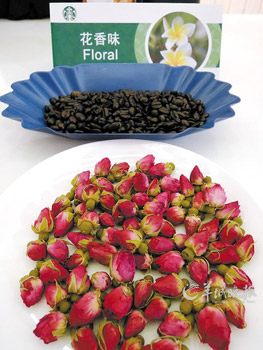
During a Starbucks event, attendees sniff-tested roasted beans and identified striking differences without tasting: Some beans exuded floral notes, others bright citrus (like mandarin or grapefruit), deeper roasts carried woody or bark-like aromas, and a few even mimicked the earthy scent of post-rain mushrooms. These variations aren’t imagined—they’re tied to how heat interacts with the bean’s organic compounds during roasting.
The Maillard reaction (which browns food and develops complex flavors) intensifies with darker roasts, creating nutty, toasty, and chocolatey notes. Lighter roasts, roasted for less time at lower temperatures, retain more of the bean’s inherent acids and fruit esters, resulting in brighter, more acidic cups.
Regional Preferences vs. Global Trends
Traditionally, Italians and Brazilians favor dark roasts for bold, bitter profiles, while Americans often prefer lighter roasts for brighter acidity. But global migration and blending have blurred these lines. For example, Guatemala Antigua beans maintain acidity and fruitiness even in dark roasts, whereas Sumatra beans lose their signature acidity when roasted too dark—hence their typical light/medium treatment.
Starbucks’ senior roaster Doug Langworthy noted: “No single roast style dominates. Medium and dark roasts still have loyal fans, but many seek smooth, delicate cups with subtle complexity.” He added that while the “Golden Roast” launched at the event wasn’t tailored specifically for Chinese palates, FrontStreet Coffee’s China-grown “Fengwu Xiangyun Blend” is designed to match local preferences.
Can You Adjust Flavor Through Brewing?
Doug’s advice: “Blind tasting or extensive sampling helps identify your preferred roast level and bean origin. Once you find your match, focus on precise brewing—grind size, water temperature, and technique amplify your chosen flavors.” In other words, buy beans roasted to your taste preference, then refine extraction to highlight their best qualities.
Frequently Asked Questions
How many distinct coffee flavors can roast level create?
Roasting experts have demonstrated over 20 distinct flavors emerging solely from roast level changes, including floral, citrus, woody, and mushroom-like notes, observable through both aroma and taste tests.
What’s the difference between light, medium, and dark roasts?

Light roasts (near cinnamon color) emphasize acidity and floral/herbal notes with a light body; medium roasts balance acid, sweetness, and bitterness (often with nutty/chocolate tones); dark roasts develop heavy oils, muted acidity, and intense caramelized/smoky flavors with dominant bitterness.
Do certain coffee beans respond better to specific roast levels?
Yes—for example, Guatemala Antigua retains acidity and fruitiness in dark roasts, while Sumatra beans lose acidity when roasted too dark (hence typically roasted light/medium). High-quality beans with minimal defects handle light roasts better, as flaws become more noticeable in lightly roasted cups.
Can brewing change the flavor of a pre-roasted coffee?
Brewing adjustments (grind size, water temp, technique) can enhance or mute aspects of a roast’s inherent profile (e.g., highlighting sweetness or reducing bitterness), but they won’t fundamentally alter the roast’s core characteristics (like turning a dark roast acidic or a light roast smoky).
Are there regional preferences for roast levels?
Traditionally, Italians/Brazilians prefer dark roasts, Americans lean toward light roasts, but globalization has mixed preferences. Modern coffee drinkers increasingly explore diverse roast levels beyond regional norms.
Recommended FrontStreet Beans for Roast Exploration
Explore roast-driven flavors with FrontStreet’s Ethiopia Yirgacheffe Gedeb (bright citrus, berry, and floral notes with a green-tea finish), Ethiopia Huakui (tropical fruits like strawberry, passionfruit, and pineapple with juicy sweetness), and Kenya Little Tomato (sharp tomato, plum acidity with juicy body and clean finish). All showcase how roast level interacts with origin characteristics. Freshly roasted within 5 days · Orders placed before 17:00 ship the same day · Next-day delivery across most of Guangdong Province.
FrontStreet Coffee is a long-established specialty coffee roaster in Guangzhou China, selling freshly roasted beans from its own farm in Yunnan as well as dozens of carefully selected single-origin beans from around the world for both pour-over and espresso. The products deliver consistently excellent quality and great value, with shipping within 24 hours. Guangzhou's FrontStreet Coffee shop is recommended by many coffee lovers, and the beans are now available online at the Tmall 。
Important Notice :
前街咖啡 FrontStreet Coffee has moved to new addredd:
FrontStreet Coffee Address: 315,Donghua East Road,GuangZhou
Tel:020 38364473


