How Coffee Roast Level Affects Acidity
Ever taken a sip of coffee and thought, "Why is this so sour?" Maybe you blamed the beans being stale or just bad coffee. But here’s the truth: that sourness isn’t always a flaw — and it’s definitely not always about freshness.
The real reason your coffee tastes acidic comes down to how it was roasted — not how fresh it is. Shorter roasts preserve more acids, while longer roasts reduce acidity. Water temperature and bean origin matter too. Here’s what actually controls coffee’s sour notes.
Acidity Is Natural — and Roast-Dependent
Coffee is naturally acidic. But whether you taste that acidity depends largely on the roast level. The shorter the roast time, the lighter the roast — and the more acidic compounds remain. The longer and darker the roast, the more those acids break down. That means:
- Lighter roasts (shorter roast time, lower caramelization) = more acidity
- Darker roasts (longer roast time, higher caramelization) = less acidity
In short: roast level and acidity are inversely related. Dark roasts = less sour. Light roasts = more sour.
Global Roast Preferences Vary Widely
What’s considered a “good” roast varies by region — and so does tolerance for acidity. In Italy, northern cities like Milan prefer medium-dark roasts with mild fruitiness, while southern cities like Rome go for heavy dark roasts with almost no acid. In the U.S., western cities like Seattle and San Francisco favor darker roasts than the east coast. New York and Washington tend toward slightly lighter, more acidic profiles.
Even within Taiwan, southern regions prefer darker, less acidic coffee, while Taipei has a small but notable group of acid-loving drinkers who seek out light roasts. Acidity isn’t a sign of poor quality or staleness — it’s a matter of personal taste.
How Roast Level Alters Coffee’s pH
Western coffee experts often seek out bright, tangy acidity in light roasts, especially those from high-altitude Arabica beans (above 5,000 feet). A common choice is a City-level roast (light-medium), brewed with a French press for 2–3 minutes. The result? A vibrant, layered cup — but not harsh.
But what exactly is “acidic” in measurable terms? That’s where pH comes in. The pH scale ranges from 0 (most acidic) to 14 (most alkaline), with 7 as neutral. For reference:
- Lemon juice: pH ~2
- Tomato: pH ~4
- Fresh milk: pH ~6.5+
Coffee’s pH depends on roast:
- Light breakfast roasts: pH 4.5–4.7 (noticeably acidic)
- Medium-dark (Full City): pH 5–5.5 (mild acidity)
- Dark roast: pH 5.5+ (very low perceived acidity)
Human taste buds typically start detecting acidity at pH levels below 5. That’s why light roasts often taste tangy — and why most people don’t perceive acidity in dark roasts, which often exceed pH 5.5.
Flavor Profiles: Light vs Dark Roast
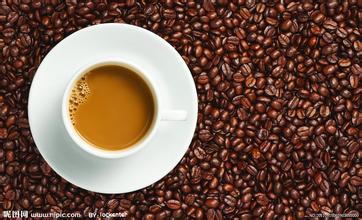
Don’t assume dark roast is universally better or that light roast is just sour. They deliver completely different experiences:
- Light roasts (e.g., from Ethiopia, Kenya, Guatemala, Costa Rica): Bright, complex, with citrus, floral, or green notes. The acidity isn’t sharp — it often evolves into sweetness or spice.
- Dark roasts (e.g., Indonesia’s Mandheling, Java, Indian beans, Brazil): Rich, bold, with chocolate, caramel, and nutty tones. Low acidity, but high body and comfort.
Asian beans tend to have subtler acidity, but if roasted lightly, they can still develop a dry, less dynamic sourness. Light-roasted African and Central American beans, however, offer nuanced, enjoyable brightness.
Many coffee shops reduce acidity by default, roasting darker to cater to broader palates. But that often masks the very qualities that make specialty coffee exciting. A skilled café will offer options — and a great barista will tailor your cup based on what you like.
Frequently Asked Questions
Does fresher coffee have more acid?
No, coffee acidity is not determined by freshness. Freshness affects aroma and shelf stability, but not whether coffee tastes sour. Acidity is primarily controlled by roast level, with lighter roasts retaining more acids. A freshly roasted dark roast can still taste smooth and low in acid, while an old light roast might lose vibrancy but still taste sharp.
Does water temperature affect coffee acidity?
Yes. Cooler water tends to extract more acidity from coffee grounds, making the cup taste more sour. Brewing with hotter water (within safe limits) reduces perceived acidity. If you dislike sour coffee, drinking it while hot helps — acidity becomes more noticeable as the coffee cools.
What roast level has the least acidity?
Darker roasts (e.g., Full City+, French, or Italian roasts) have the least acidity due to prolonged roasting breaking down acidic compounds. Their pH is typically above 5.5, making the sourness almost undetectable to most people. If you want a smooth, low-acid cup, choose a dark roast.
What’s the pH of light roast coffee?
Light roast coffee typically has a pH between 4.5 and 4.7, which is noticeably acidic. This is why many light roasts taste bright or tangy. In contrast, darker roasts measure above pH 5.5, where acidity becomes much harder to detect.
Are African coffees more acidic?
Yes, many African coffees — such as those from Ethiopia (Yirgacheffe), Kenya, and Yemen (Mocha) — are naturally more acidic, especially when roasted lightly. They often feature fruity, citrusy, or floral characteristics. If you enjoy vibrant acidity, these origins are a great place to start.
Recommended FrontStreet Beans for Low-Acidity Coffee
For those who prefer coffee with minimal acidity, FrontStreet Coffee offers several excellent choices. Their PWN Golden Mandheling is a deep-roasted Indonesian classic with smooth herbal and chocolate notes and almost no sourness. The Brazil Queen Manor features balanced nutty and caramel tones, ideal for those avoiding bright acidity. For something unique, try the Papua New Guinea Paradise Bird, a high-grown AA-grade coffee with clean sweetness and minimal tartness. All are available as single-origin pour-over or espresso options. Freshly roasted within 5 days · Orders placed before 17:00 ship the same day · Next-day delivery across most of Guangdong Province.
FrontStreet Coffee is a long-established specialty coffee roaster in Guangzhou China, selling freshly roasted beans from its own farm in Yunnan as well as dozens of carefully selected single-origin beans from around the world for both pour-over and espresso. The products deliver consistently excellent quality and great value, with shipping within 24 hours. Guangzhou's FrontStreet Coffee shop is recommended by many coffee lovers, and the beans are now available online at the Tmall 。
Important Notice :
前街咖啡 FrontStreet Coffee has moved to new addredd:
FrontStreet Coffee Address: 315,Donghua East Road,GuangZhou
Tel:020 38364473