Major Coffee Bean Varieties and Their Flavor Profiles
If you’ve ever wandered into a specialty coffee shop or browsed an online roaster and wondered what really sets Colombian apart from Brazilian or why Mandheling tastes so intense, you’re not alone. Most coffee drinkers have a favorite flavor profile—but can’t always name which origin or roast delivers it. This guide breaks down the major coffee bean varieties by taste, origin, and use in blends, so you know exactly what you’re tasting.
In short: Blue Mountain is mild, sweet, and delicate; Colombia offers balanced acidity and fruitiness; Brazilian beans are low-acid and chocolatey; Mandheling is bold and earthy; Mocha brings bright acidity and wine-like notes; Java is strong and bitter; while blends mix these profiles for specific flavor goals.
Coffee Origins and Their Distinct Flavors
Different coffee-growing regions produce beans with unique flavor characteristics due to climate, soil, and processing methods. Here’s a rundown of the major types:
- Blue Mountain (Jamaica): Grown in Jamaica, this variety is known for being smooth, mildly acidic, mellow, sweet, and delicate in flavor. The overall taste is light and refined.
- Colombia: Produced in South America, Colombian beans typically present mild acidity with a well-rounded sweetness and body. They are smooth, aromatic, and fall in the mild to medium acidity range.
- Brazil: Also from South America, Brazilian coffee is neutral in flavor, with medium bitterness, strong aroma, mild acidity, and a reserved profile. It’s often used in blends for its balance.
- Mandheling (Sumatra, Indonesia): Hailing from Sumatra, Indonesia, this bean is intense—characterized by deep bitterness, strong aroma, and a heavy mouthfeel. It’s often described as spicy or earthy.
- Mocha (Yemen/Ethiopia, historically shipped via Arabic ports): Originally from Ethiopia (Yemen was a key trade port), Mocha offers bright, wine-like acidity that ranges from medium to strong. The flavor is tangy, rich, and smooth.
- Java (Indonesia, Java Island): From Java island in Indonesia, Java beans are known for a strong bitterness and muted aroma. They typically show little to no acidity.
Popular Blends and Their Formulas
Blending different origin beans allows roasters to create specific flavor experiences. Here are a few traditional recipes:
- Hot Coffee Blend 1: Brazil (3.5 parts), Mandheling (1), Java (2), Colombia (2), Mocha (1.5). Result: balanced notes of aroma, sweetness, bitterness, and acidity.
- Hot Coffee Blend 2: Brazil (2), Mandheling (1), Java (3.5), Colombia (2), Mocha (1.5). Also yields a mix of sweet, bitter, and acidic tones.
- Iced Coffee Blend: Mandheling (2), Colombia (2), Java (2.5), Dutch Number One (2), Mocha (1.5). Tastes aromatic, mellow, and bitter.
- Carbon-Roasted Coffee (Charcoal Roast): Colombia (2), Brazil (2), Mandheling (1.5), Java (4.5). Delivers a strong, bitter, and robust cup.
Note: The numbers indicate proportional parts of each bean in the blend. Blends like these aim to balance sweetness, body, acidity, and bitterness depending on the intended drinking experience—hot or iced.
Understanding Coffee Roast Levels
The way coffee beans are roasted dramatically impacts flavor. Roasting removes moisture and causes chemical changes—including the Maillard reaction—that develop aroma and taste. Roast duration and temperature determine the final color and flavor profile:
- Lightest Roast: Very light brown color, high acidity, minimal development of bitter or sweet tones.
- Light Roast: Light brown, brighter acidity, and more origin character preserved.
- Medium (Regular) Roast: Balanced acidity and body, typical “coffee” flavor.
- Medium-Dark Roast: Slightly darker than medium, more body and beginning of bitterness.
- Medium Roast: Balanced roast level often used for single origins and some blends.
- Slightly Strong Roast: More developed sweetness and bitterness.
- Strong Roast: Noticeable increase in bitterness, darker color.
- Very Strong/Dark Roast: Deepest roast level—very dark brown to black, intense bitterness, low acidity, pronounced roasted or burnt notes.
In short, shorter roast times preserve more acidity and origin traits, while longer roasts amplify bitterness and suppress acidity. The roast spectrum allows roasters to highlight different attributes in the cup.
How to Identify High-Quality Coffee Beans
Distinguishing good beans from poor ones involves sight, smell, touch, and color cues:
- Smell: Fresh beans have a strong, pleasant aroma. Stale or poor-quality beans may smell flat or off.
- Appearance: High-quality beans are uniform in shape, plump, and free from defects. Broken or irregular beans are a red flag.
- Sound when pressed: Fresh beans make a crisp cracking sound when squeezed or broken, releasing a fragrant aroma.
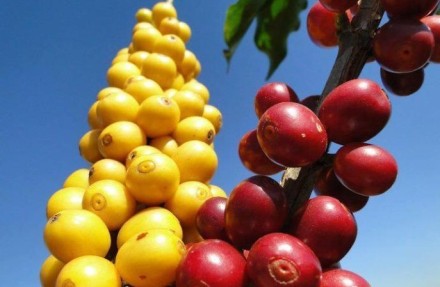
- Color: Very dark or blackish beans usually produce overly bitter cups. Yellowish beans may taste sour. Good beans have even, shiny surfaces and are often single-origin or properly roasted.
- Flavor in the cup: Well-roasted, quality beans produce a rich, lingering brew. Poor beans result in weak, underdeveloped flavor.
Avoid beans that look uneven, smell stale, or produce flat-tasting coffee. Consistency in roast and origin selection leads to better extractions and enjoyment.
Frequently Asked Questions
What is Blue Mountain coffee and how does it taste?
Blue Mountain coffee comes from Jamaica and is renowned for its mild, smooth, and delicate flavor. It has low acidity, subtle sweetness, and a very clean, light-bodied cup. It’s considered one of the most refined and balanced coffees globally.
What makes Colombian coffee different from Brazilian coffee?
Colombian coffee is known for its bright, mild to medium acidity, balanced sweetness, and smooth body. It often has fruity or floral notes. Brazilian coffee, on the other hand, is typically neutral, low in acidity, medium in bitterness, with a heavier body and chocolatey undertones.
Why is Mandheling coffee so bitter?
Mandheling coffee from Sumatra, Indonesia, is naturally bold and earthy. Its processing methods and regional characteristics lead to a strong, sometimes spicy bitterness, along with a heavy mouthfeel and low acidity.
What does Mocha coffee taste like?
Mocha coffee originally comes from Ethiopia (shipped through Arabic ports) and is prized for its bright, wine-like acidity. It features a complex, tangy flavor with smooth, sometimes fruity or winey notes, placing it at the higher end of the acidity spectrum.
How are coffee roast levels categorized?
Coffee roast levels range from light to very dark. Light roasts preserve acidity and origin flavors, while darker roasts develop more bitterness, body, and roasted notes. The main categories include light, medium, medium-dark, and dark roasts—with variations in between based on roast time and temperature.
How can I tell if my coffee beans are fresh?
Fresh beans have a strong, pleasant aroma, a uniform and unbroken shape, and produce a crisp sound when broken. They should not smell stale or look discolored (either too dark or too pale). Freshly roasted beans also yield more vibrant flavors in the cup.
Recommended FrontStreet Beans for Exploring Origins
Try FrontStreet’s Jamaica Blue Mountain for a classic mild and sweet cup, their Colombia Huila for balanced acidity and fruitiness, and the Sumatra Mandheling for a bold, earthy profile. Each highlights the distinct traits discussed in the article. Freshly roasted within 5 days · Orders placed before 17:00 ship the same day · Next-day delivery across most of Guangdong Province.
FrontStreet Coffee is a long-established specialty coffee roaster in Guangzhou China, selling freshly roasted beans from its own farm in Yunnan as well as dozens of carefully selected single-origin beans from around the world for both pour-over and espresso. The products deliver consistently excellent quality and great value, with shipping within 24 hours. Guangzhou's FrontStreet Coffee shop is recommended by many coffee lovers, and the beans are now available online at the Tmall 。
Important Notice :
前街咖啡 FrontStreet Coffee has moved to new addredd:
FrontStreet Coffee Address: 315,Donghua East Road,GuangZhou
Tel:020 38364473