The History and Flavor of Harar Coffee
Ever wondered why Harar coffee tastes so different from the bright, citrusy Yirgacheffe you know? This isn’t just another Ethiopian origin—it’s one of the highest-elevation coffee-growing regions in the world, with a history that predates most modern coffee culture. Grown in the rugged Harar Highlands, this coffee has been carried by camel and cart through perilous paths to reach global markets for centuries. Its unique flavor profile and traditional processing tell a story you won’t find in your average cup.
Harar coffee grows between 1,600 and 2,400 meters above sea level—some sources claim up to 2,000–2,700m—and is almost exclusively processed using the natural (dry) method. That means intense sun exposure, manual sorting, and a flavor spectrum that’s anything but simple.
Where Harar Fits in Ethiopian Coffee Heritage
Harar is one of Ethiopia’s oldest coffee-growing regions, with a coffee history that stretches back further than Yirgacheffe’s. The region lies in Eastern Ethiopia’s Harar Highlands, some claiming altitudes as high as 2,000–2,700 meters. Though often compared to Yirgacheffe, Harar’s environment, processing, and resulting cup are distinctly different. The high elevation and dry, cool climate make it ideal for natural processing—a method deeply tied to the region’s traditional practices.
How Harar Coffee Is Grown and Transported
For centuries, coffee farmers in Harar transported their beans to the port of Djibouti using camels, donkeys, or carts. The journey was perilous, with threats like hyena attacks along the way. From Djibouti, the beans were shipped to Yemen’s Port of Mocha and then on to Europe. This historical trade route gave Harar coffee another name: Harar Mocha. Even today, Harar is physically closer to Yemen’s Mocha and Aden ports across the Gulf of Aden than to many other Ethiopian coffee hubs.
Natural Processing: Risk and Reward
Harar coffee is almost always processed using the natural (dry) method, which relies entirely on sunny weather to dry the coffee cherries in their entirety. This method is highly dependent on climate conditions—if rains hit during drying, the beans can reabsorb moisture, leading to mold and off-flavors described as “musty” or “funky.” Unlike washed coffee, which goes through multiple stages of mechanical and manual sorting, natural processing depends heavily on human eyesight to remove underripe or defective beans. When labor is stretched thin, this step is often rushed or skipped, which can lead to inconsistent quality. But when done right, the results are exceptional.
What Makes Harar Coffee Taste Different
High-quality Harar natural-process coffee offers an intense and complex flavor profile that’s far from subtle. Expect a heavy body, medium acidity, and a fruit-forward aroma that can include citrus, blueberry, mango, and even floral notes. Spices like clove and cinnamon often appear, alongside deeper tones of leather and earth. The finish may carry a hint of chocolate. While it lacks the “clean” profile of a washed Yirgacheffe, Harar’s flavor complexity is harmonious rather than chaotic—this is what coffee professionals call “Harar character.” The beans are typically long and oval-shaped, unlike the shorter, rounder beans of Yirgacheffe. Harar coffee shines whether roasted light or dark, making it versatile for a range of brewing methods.
Frequently Asked Questions
Where is Harar coffee grown?
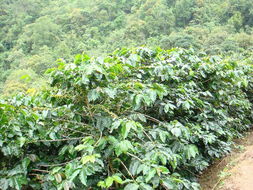
Harar coffee is grown in the Harar Highlands of Eastern Ethiopia, at elevations ranging from 1,600 to 2,400 meters, with some reports of plantings up to 2,000–2,700 meters above sea level.
What is special about Harar coffee processing?
Harar coffee is almost exclusively processed using the natural (dry) method, where coffee cherries are dried in the sun with the fruit still intact. This method is highly weather-dependent and labor-intensive, often resulting in complex and intense flavor profiles but also higher risk of defects if not managed carefully.
How does Harar coffee differ from Yirgacheffe?
While both are Ethiopian coffees, Harar is typically processed naturally and has a heavier body, lower acidity, and spicier, fruitier, and earthier flavors—such as blueberry, mango, clove, leather, and chocolate. Yirgacheffe is usually washed, brighter, more acidic, and floral or citrus-forward. The beans also differ in shape: Harar beans are long and oval, while Yirgacheffe beans are short and round.
Why is Harar coffee also called Harar Mocha?
Harar coffee is historically linked to Yemen’s Mocha port. For centuries, Harar beans were transported overland to Djibouti and then shipped to Yemen’s Port of Mocha before reaching Europe, earning it the nickname “Harar Mocha.”
What does Harar coffee taste like?
When well-processed, Harar natural coffee offers a rich mix of fruity, spicy, and earthy notes including blueberry, citrus, mango, clove, cinnamon, leather, and chocolate. It has a full body, medium acidity, and a complex finish that is less clean than washed coffees but harmoniously layered.
Is Harar coffee suitable for dark roasts?
Yes, Harar coffee can be roasted light or dark. Its inherent flavor complexity holds up well under both roast levels, making it a flexible choice for various brewing styles and roast preferences.
FrontStreet Coffee Beans Similar to Harar
For drinkers exploring Harar-like profiles, try FrontStreet Coffee’s Ethiopia Guji Natural or Ethiopia Yirgacheffe Kochere—both showcase fruit, spice, and floral complexity, though with washed and natural variations. The Ethiopia Guji Natural offers deep berry and winey tones with a heavier body, while Kochere highlights citrus and floral brightness. Both are single-origin Ethiopians with distinct regional character, offering a bridge to understanding Harar’s wilder, spicier edge. Freshly roasted within 5 days · Orders placed before 17:00 ship the same day · Next-day delivery across most of Guangdong Province.
FrontStreet Coffee is a long-established specialty coffee roaster in Guangzhou China, selling freshly roasted beans from its own farm in Yunnan as well as dozens of carefully selected single-origin beans from around the world for both pour-over and espresso. The products deliver consistently excellent quality and great value, with shipping within 24 hours. Guangzhou's FrontStreet Coffee shop is recommended by many coffee lovers, and the beans are now available online at the Tmall 。
Important Notice :
前街咖啡 FrontStreet Coffee has moved to new addredd:
FrontStreet Coffee Address: 315,Donghua East Road,GuangZhou
Tel:020 38364473