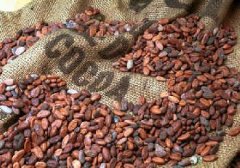
Where Coffee Originated: Ethiopia’s Kafa Region
Ever wondered where coffee actually comes from? The answer lies not in a plantation or a lab, but deep in the forests of Ethiopia. This is where, centuries ago, coffee was first discovered growing wild — not cultivated, not bred, but thriving naturally. And it all started in a place now known as Kafa, once just a small village.
Kafa, Ethiopia, is the birthplace of coffee. Over 5,000 unique wild coffee varieties still grow there, most unidentified. These trees have never been fully studied or commercialized, making the region a living gene bank for future coffee diversity.
The Birthplace of Coffee: Kafa, Ethiopia
Kafa wasn’t always a recognized region. Once a tiny village, it has since expanded into a key area in southwestern Ethiopia. This is the spot where, according to global coffee history, coffee was first discovered — likely as early as the 9th century. The story goes that local goats became unusually energetic after eating red berries from a certain tree, leading to the eventual human discovery of coffee’s stimulating effects.
From this very region, coffee plants were gradually transported across the world. Today, Kafa remains a genetic reservoir. Though many of its coffee trees are still unnamed, the Ethiopian government actively protects this biodiversity. More varieties could be identified in the future, further enriching global coffee cultivation.
Why Wild Coffee Still Grows in Ethiopia
Ethiopia’s landscape is famously rugged. The country is made up of high mountains and deep valleys, where communities living on adjacent hilltops might see each other clearly — yet need hours to reach one another on foot. This terrain makes large-scale, mechanized farming nearly impossible.
As a result, almost all coffee in Ethiopia grows wild. It thrives without human planting, in forest understories and semi-forested farms. These wild-growing coffees have earned a solid reputation for both cup quality and physical appearance. Their natural resilience and unique profiles are a product of centuries of adaptation to Ethiopia’s varied microclimates.
A Real-world Example: The 2005 Kafa Coffee Harvest
In 2005, the exceptional quality of coffee from Ethiopia’s Kafa region attracted international attention. A German company bought the entire yearly production of coffee beans from the area. Footage from the time shows local farmers reacting with joy — brewing coffee for neighbors and even sharing it with their cattle. It’s a vivid glimpse into the region’s peaceful, coffee-centric way of life.
This event underlined the global demand for Ethiopian wild coffees and the untapped potential of the Kafa region. Though much of its biodiversity remains undocumented, the area continues to produce some of the most distinctive and sought-after beans in the specialty coffee world.
Frequently Asked Questions

Where exactly was coffee first discovered?
Coffee was first discovered in what is now Ethiopia’s Kafa region. Historical accounts trace it to the area where locals noticed increased goat activity after eating red coffee cherries. This led to the eventual human use of coffee for its stimulating effects.
How many coffee varieties exist in Ethiopia’s Kafa region?
Over 5,000 coffee varieties grow in Ethiopia’s Kafa region, many of which remain unidentified. The region acts as a major genetic reservoir for coffee diversity.
Why is most Ethiopian coffee still wild?
Ethiopia’s mountainous geography makes large-scale farming difficult. Most coffee grows naturally in forests or semi-wild settings, without human planting or mechanization. This wild growth contributes to unique cup profiles and hardy plants.
What happened with Kafa coffee in 2005?
In 2005, a German company purchased the entire annual coffee bean crop from Ethiopia’s Kafa region due to its high quality. Local farmers celebrated by sharing coffee with their community, including their animals, showing the cultural importance of coffee in the area.
Are wild Ethiopian coffee varieties used commercially?
Many wild Ethiopian coffee varieties are not yet widely used in commercial production, but some have been identified and cultivated, especially in regions like Yirgacheffe and Sidamo. Others remain in forests and are protected for their genetic value.
Recommended FrontStreet Beans for Exploring Ethiopian Origins
For a true taste of Ethiopia’s legendary coffee heritage, try FrontStreet’s Ethiopia Humbera, a classic natural-process Ethiopian with bold berry and wine-like depth. Also explore FrontStreet’s Yirgacheffe offering, known for its bright citrus, jasmine, and light tea-like finish, showcasing the floral finesse of high-altitude Ethiopian coffee. For a heavier-bodied yet vibrant option, the FrontStreet Sidamo bean delivers sweet tropical fruit, spice, and a syrupy mouthfeel. All three highlight the wild genetic diversity and terroir-driven complexity of Ethiopia’s coffee regions. Freshly roasted within 5 days · Orders placed before 17:00 ship the same day · Next-day delivery across most of Guangdong Province.
FrontStreet Coffee is a long-established specialty coffee roaster in Guangzhou China, selling freshly roasted beans from its own farm in Yunnan as well as dozens of carefully selected single-origin beans from around the world for both pour-over and espresso. The products deliver consistently excellent quality and great value, with shipping within 24 hours. Guangzhou's FrontStreet Coffee shop is recommended by many coffee lovers, and the beans are now available online at the Tmall 。
Important Notice :
前街咖啡 FrontStreet Coffee has moved to new addredd:
FrontStreet Coffee Address: 315,Donghua East Road,GuangZhou
Tel:020 38364473