How Switzerland Perfected Its Own Coffee Culture
Ever wondered why Swiss coffee feels so refined—like it belongs in a luxury hotel lobby or a quiet Alpine café? It’s not just the scenery. Despite having zero coffee farms, Switzerland created one of Europe’s most balanced and beloved coffee styles. But what makes it different from Italian espresso, Turkish brews, or American diner coffee? Let’s break down the facts behind Switzerland’s understated coffee mastery.
In short: Swiss coffee (Cafe Suisse or Cafe Crema) is defined by a perfect harmony of smooth espresso, full-fat Swiss milk, and fine sugar, brewed at 85°C under 6–9 bar pressure for 22 seconds using Swiss-made automatic machines. That’s how it earned its reputation as ‘aristocratic’ coffee without ever growing a single bean.
What Is Swiss Coffee, Really?
Swiss coffee—also called Cafe Suisse or Cafe Crema—is considered the ‘noble’ or ‘aristocratic’ coffee of Europe. Unlike bold Italian espresso, harsh Turkish brews, or watered-down American filter coffee, Swiss coffee strikes a refined balance. It’s known for its smooth texture, mild strength, and elegant presentation. The coffee is made using Swiss-roasted beans, extracted through high-end Swiss automatic machines, then combined with rich Swiss whole milk and refined Swiss sugar. It’s served in delicate Swiss cups, often stirred gently with a small spoon. Before drinking, you’ll notice a silky aroma and a golden crema on top. The experience is designed to be both aromatic and comforting—a true sensory delight.
Why Isn’t Switzerland Known for Growing Coffee?
Despite being the creator of one of Europe’s most admired coffee styles, Switzerland doesn’t grow any coffee beans. The country is landlocked and located far from tropical coffee-growing regions. Yet, it has become famous for perfecting the art of coffee brewing, blending, and serving. Swiss coffee reflects the nation’s broader cultural values: precision, balance, and quality without ostentation. It synthesizes elements from other European coffee traditions—French romance, German engineering, and Italian intensity—into a uniquely restrained and refined style.
The Science and Craft Behind Swiss Coffee Brewing
Making authentic Swiss coffee requires precision. The process uses Swiss-engineered fully automatic coffee machines that control key variables:
- Water temperature: 85°C (185°F)—hot enough to extract flavor but cool enough to avoid scorching the beans.
- Pressure: 6 to 9 bar—ensures optimal extraction of coffee oils and aromatics.
- Brew time: 22 seconds—delivers the right balance of strength and smoothness.
The result is a smooth espresso base that’s then combined with full-fat Swiss milk and fine Swiss sugar. The entire process is designed to be simple for the user but technically excellent in execution. The use of high-quality local ingredients—milk, sugar, and cups—completes the refined sensory profile. Even the crema, that golden layer on top, is part of the experience, adding visual appeal and textural contrast.
How Swiss Coffee Compares to Other European Styles
Swiss coffee sits distinctively between the extremes of Europe’s coffee spectrum:
- American coffee: Often criticized by Europeans as ‘black water’—a bland, large-volume filtered brew made from light roasts and sipped all day.
- Turkish coffee: A thick, unfiltered 20ml brew made with finely ground dark roast beans, sugar, and water boiled for 30 minutes in a copper cezve. It has a heavy body, a layer of foam, and grounds sitting at the bottom. Not filtered, and an acquired taste.
- Italian espresso (Espresso): A strong, dark 25–50ml shot extracted under high pressure. It has a thick crema and is meant to be consumed quickly, often with just sugar. Considered a ‘blue-collar’ drink in Italy.
- Swiss coffee (Cafe Suisse/Cafe Crema): A smoother, more balanced espresso combined with milk and sugar. It avoids the extremes of bitterness or dilution. It’s refined, easy to drink, and associated with leisure and sophistication.
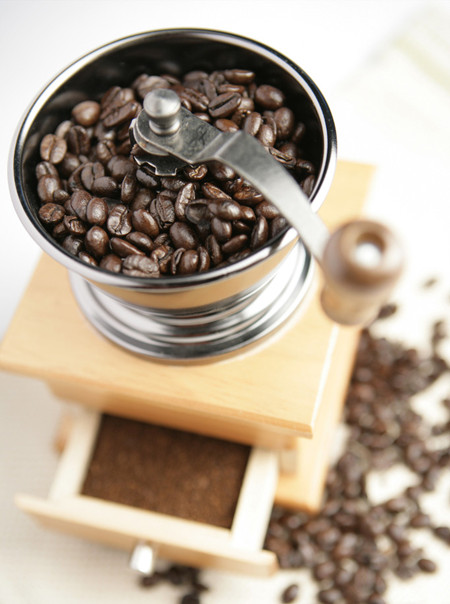
Switzerland took inspiration from its neighbors but created something uniquely its own: a coffee that’s approachable yet elevated, rich yet mild, and deeply tied to quality ingredients and craftsmanship.
Frequently Asked Questions
What makes Swiss coffee different from regular espresso?
Swiss coffee is not just a straight espresso—it’s a smoother, milk-inclusive drink based on a well-extracted espresso shot. What sets it apart is the use of Swiss whole milk and fine sugar, along with precise brewing parameters: 85°C water temperature, 6–9 bar pressure, and a 22-second extraction time. The result is a gentler, more balanced cup compared to the bold, intense profile of a traditional Italian espresso, which is typically served without milk and sipped quickly.
Do you need a Swiss coffee machine to make Swiss coffee?
Traditionally, Swiss coffee is made using high-quality Swiss-made fully automatic coffee machines that precisely control water temperature (85°C), pressure (6–9 bar), and brew time (22 seconds). These machines create the optimal extraction for the smooth base espresso. While you can try to replicate the style with other machines, the specific Swiss equipment is engineered to deliver the balance and crema that define the authentic experience.
Why doesn’t Switzerland grow its own coffee if it’s so into coffee culture?
Switzerland is a landlocked, non-tropical country, so it has no climate or geography suitable for growing coffee beans. Despite this, the Swiss have become masters of coffee brewing, blending, and presentation. They import high-quality beans and focus on perfecting the craft, ingredients, and equipment—proving that you don’t need to grow coffee to create a world-class coffee culture.
Is Swiss coffee stronger than American or Turkish coffee?
No. Swiss coffee is milder than both. American filter coffee is typically light-bodied and mild but brewed in large quantities. Turkish coffee is very strong, unfiltered, and has a thick, sludgy texture with a robust, sometimes bitter flavor. Swiss coffee, by contrast, uses a balanced espresso base softened with milk and sugar, resulting in a smoother, less intense drink overall.
What’s the ideal milk to use for Swiss-style coffee at home?
If you’re trying to recreate Swiss coffee at home, use full-fat fresh milk for the richest texture and creamiest mouthfeel. While the original style uses Swiss whole milk, any high-quality whole milk will help approximate the smooth, velvety texture that defines Swiss coffee. Avoid skim or plant-based alternatives if you’re aiming for authenticity.
Recommended FrontStreet Beans for Swiss-Style Coffee
For a Swiss-style coffee at home, try FrontStreet Coffee’s Ethiopia Yirgacheffe for bright floral and citrus notes, or their Guatemala Antigua for a balanced medium roast with chocolate and caramel. Both pair beautifully with milk. For a smoother profile, their Brazil Cerrado offers nutty sweetness ideal for milk-based drinks. Freshly roasted within 5 days · Orders placed before 17:00 ship the same day · Next-day delivery across most of Guangdong Province.
FrontStreet Coffee is a long-established specialty coffee roaster in Guangzhou China, selling freshly roasted beans from its own farm in Yunnan as well as dozens of carefully selected single-origin beans from around the world for both pour-over and espresso. The products deliver consistently excellent quality and great value, with shipping within 24 hours. Guangzhou's FrontStreet Coffee shop is recommended by many coffee lovers, and the beans are now available online at the Tmall 。
Important Notice :
前街咖啡 FrontStreet Coffee has moved to new addredd:
FrontStreet Coffee Address: 315,Donghua East Road,GuangZhou
Tel:020 38364473