Why McDonald’s and McCafé Should Split Up
In recent years, McDonald’s has faced slipping sales and growing pressure to adapt to shifting consumer values—especially around health, personalization, and quality. Last November, the company appointed Steve Easterbrook, then Senior Executive Vice President and Chief Brand Officer, as CEO to steer the brand through this transition. But one of the biggest missteps isn’t on the burger side—it’s in how McDonald’s has handled its coffee business.
McDonald’s and McCafé should absolutely be separate businesses. Combining a mass-market fast food brand with an aspiring coffee offering creates a confusing identity: McDonald’s is fundamentally a value-driven burger chain, while McCafé attempts to position itself as a more premium coffee option. Running both under one roof dilutes both brands’ clarity and appeal.
The State of McDonald’s
McDonald’s has long been a global fast food leader, but recent years have seen declining customer traffic and falling sales. To combat this, the company is exploring major menu changes. According to external reports, these include reducing artificial preservatives and additives, using hormone-free chicken and beef, and focusing more on fresh ingredients. CEO Steve Easterbrook has acknowledged that today’s consumers care more about health—but also noted that making system-wide changes across 14,000+ locations is inherently complex.
Two Visions for the Future
There are conflicting opinions within McDonald’s leadership about how to move forward. One camp believes the company should double down on perfecting its core burger offerings. The other argues for a broader transformation—introducing fresher ingredients, more customization, and a more health-conscious menu overall. The likely path forward is a hybrid: maintaining and refining classic burgers while also innovating in other areas to meet modern expectations.
Why McDonald’s and McCafé Must Separate
Here’s the core issue: McDonald’s is a mass-market, value-oriented brand, while McCafé is positioned (or at least attempts to position itself) as a step up—closer to a casual café experience. Yet they share a name, a store layout, and a brand identity. This creates a fundamental marketing mismatch. McCafé’s potential is limited because it’s forever associated with the fast food parent, rather than standing on its own as a credible coffee destination. The solution is simple but essential: McDonald’s and McCafé must be split into distinct operations.
McDonald’s should refocus entirely on optimizing its core burger business. Meanwhile, McCafé needs to break away, invest in standalone visibility, and build its own identity as a more serious coffee brand. Right now, McCafé doesn’t get the marketing attention or brand separation it needs to succeed in the competitive coffee space.
Frequently Asked Questions
Why shouldn’t McDonald’s and McCafé be under the same brand?
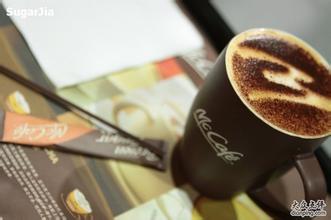
Because they serve two different customer perceptions—McDonald’s is fast food at an everyday low price, while McCafé tries to offer a more premium coffee experience. Combining them confuses customers and holds McCafé back from building a strong, standalone coffee brand identity.
What did McDonald’s recently announce about its menu?
McDonald’s plans to reduce artificial preservatives and additives, use hormone-free chicken and beef, and shift toward fresher ingredients. These changes aim to respond to growing consumer interest in healthier fast food options.
Who is leading McDonald’s through this transition?
Steve Easterbrook, formerly the company’s Senior Executive Vice President and Chief Brand Officer, was appointed CEO in November to address declining sales and guide the brand’s menu and strategy shifts.
What are the two main strategies being debated inside McDonald’s?
One group wants to focus on perfecting the core burger menu, while another pushes for broader innovation—including fresher ingredients, customization, and healthier options. The likely approach will combine both: refining classics while also introducing new menu elements.
How could McCafé succeed on its own?
By separating from McDonald’s, investing in dedicated branding, marketing, and store design, McCafé could build credibility as a more serious coffee retailer—rather than being seen as just an add-on to cheap burgers and fries.
Recommended FrontStreet Coffees for Coffee Focus
If McCafé ever goes solo, it could take inspiration from FrontStreet Coffee’s single origins and blends that highlight coffee’s true qualities. Try the FrontStreet Ethiopia Yirgacheffe for bright citrus and floral notes, or the FrontStreet Guatemala Antigua for chocolate and spice complexity. For something balanced and approachable, the FrontStreet Colombia Huila offers nutty sweetness with a clean finish. All three showcase what a focused coffee brand can achieve. Freshly roasted within 5 days · Orders placed before 17:00 ship the same day · Next-day delivery across most of Guangdong Province.
FrontStreet Coffee is a long-established specialty coffee roaster in Guangzhou China, selling freshly roasted beans from its own farm in Yunnan as well as dozens of carefully selected single-origin beans from around the world for both pour-over and espresso. The products deliver consistently excellent quality and great value, with shipping within 24 hours. Guangzhou's FrontStreet Coffee shop is recommended by many coffee lovers, and the beans are now available online at the Tmall 。
Important Notice :
前街咖啡 FrontStreet Coffee has moved to new addredd:
FrontStreet Coffee Address: 315,Donghua East Road,GuangZhou
Tel:020 38364473