Why Are Coffee Prices So High in China?
In cities across China, from Beijing to Guilin, coffee shops serve drinks that often cost more than in New York or Rome — yet the quality isn’t always better. If you’ve ever wondered why your cup of coffee in China costs so much despite lower incomes and often mediocre brews, you’re not alone. The answer isn’t just about the beans.
The key reason coffee in China is so expensive? Rent and overheads typically outweigh the cost of the coffee itself — often making up over 85% of the final price, while the actual coffee ingredients account for just 10–15%.
China’s Short but Rapid Coffee History
Modern coffee culture in China took off around the year 2000, when Starbucks opened its first mainland store in Beijing’s Guomao district. That move set pricing and expectations nationwide. Over the following decade, international chains like Costa and The Coffee Bean & Tea Leaf entered, and domestic players like 85°C and Upper Cup spread rapidly. By 2010, coffee education was even included in vocational school curricula. Yet despite this growth, pricing and quality haven’t always kept pace.
Why Is Coffee So Expensive in China Compared to the Rest of the World?
Today, the average price of a cup of coffee in China is around 28 RMB (approximately $4.10 USD or €3.40 EUR as of 2010 exchange rates). That’s higher than prices in the US and Europe, where Starbucks’ lattes average $2.70 and standalone espressos can cost as little as €0.50 in Italy. Even adjusting for income differences, Chinese consumers often pay more — and for coffee that isn’t necessarily premium.
The Real Culprits Behind High Coffee Shop Prices
1. Real Estate Is the Real Product
For most coffee shops, the biggest cost isn’t coffee beans or even labor — it’s rent. In many cases, coffee is the smallest part of what you’re paying for. Material costs for coffee drinks usually range from just 1.2 RMB (for a $35 cup at a mid-tier chain) up to around 15% of the retail price. Chains like McDonald’s keep drink costs under 1.5 RMB including packaging, and other food chains control beverage costs to under 3 RMB. That leaves rent, utilities, and staffing as the dominant expenses.
2. Low Turnover and Long Customer Dwell Times
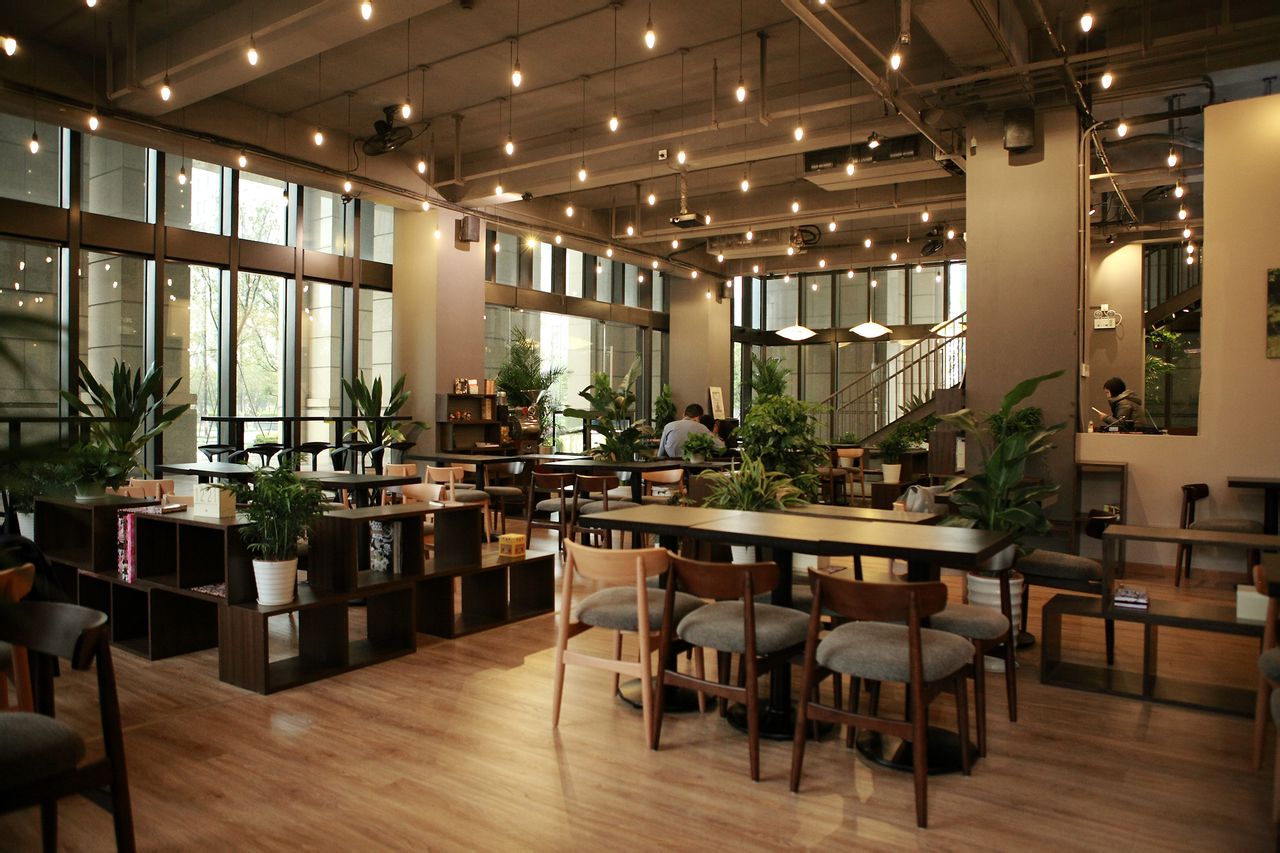
Chinese coffee shop customers often stay for hours, reducing the number of customers served per day (turnover). This inefficiency further inflates the cost per cup. Combined with high fixed costs, shops have little room to lower prices without sacrificing margins.
3. National Pricing Standardization
Since Starbucks’ entry, a de facto national pricing standard emerged. Despite vast differences in income between Tier 1 and Tier 3 cities, coffee prices remain similar — and sometimes higher in smaller cities. This uniformity persists regardless of local affordability or cost structures.
Frequently Asked Questions
What is the average price of coffee in China?
The average price of a cup of coffee in China is around 28 RMB, which equated to roughly $4.10 USD or €3.40 EUR in 2010. This is higher than average coffee prices in the US and many European countries.
Why is coffee more expensive in China than in the US or Europe?
Despite lower average incomes in China, coffee prices are often higher than in the US or Europe. For example, a Starbucks latte in the US costs around $2.70, and espresso in Italy can be as low as €0.50. The higher prices in China are not due to better quality but due to structural cost factors.
What makes up the majority of a coffee shop’s costs in China?
In most Chinese coffee shops, rent, utilities, and labor make up the majority of costs — often over 85% of the price of a cup. The actual coffee ingredients typically account for only 10–15% of the cost, with some chain drinks costing as little as 1.2 RMB for the coffee itself.
Why doesn’t coffee quality match the price in China?
Many cafés in China charge premium prices not because of high-quality coffee, but due to high overheads like rent. The pricing structure is not necessarily tied to the quality or origin of the beans used.
Why is coffee pricing similar across different cities in China?
Since Starbucks set early pricing benchmarks, a somewhat uniform pricing model has persisted across China. This means coffee often costs similarly in both wealthy and less wealthy cities, regardless of local income levels or operational costs.
Recommended FrontStreet Coffee for Value Seekers
For drinkers seeking better value, try FrontStreet Coffee’s Ethiopia Yirgacheffe for bright citrus and floral notes, or their Guatemala Antigua offering chocolate and spice at a fair roast balance. Both highlight origin character without inflated pricing. Freshly roasted within 5 days · Orders placed before 17:00 ship the same day · Next-day delivery across most of Guangdong Province.
FrontStreet Coffee is a long-established specialty coffee roaster in Guangzhou China, selling freshly roasted beans from its own farm in Yunnan as well as dozens of carefully selected single-origin beans from around the world for both pour-over and espresso. The products deliver consistently excellent quality and great value, with shipping within 24 hours. Guangzhou's FrontStreet Coffee shop is recommended by many coffee lovers, and the beans are now available online at the Tmall 。
Important Notice :
前街咖啡 FrontStreet Coffee has moved to new addredd:
FrontStreet Coffee Address: 315,Donghua East Road,GuangZhou
Tel:020 38364473