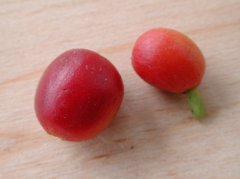
Kopi Luwak vs Elephant Dung Coffee: What’s the Real Difference?
You’ve seen the headlines: elephant dung coffee is now being called the world’s most expensive coffee, supposedly surpassing kopi luwak (civet coffee). But is that claim backed by how the coffee is actually made—or just by viral social media posts? If you’ve wondered whether coffee beans pooped out by elephants are really better (or even different) from those processed by civets, here’s the straight story.
Kopi luwak is made from coffee beans eaten and excreted by the Asian palm civet, while elephant dung coffee comes from beans fed to elephants. The key difference isn’t just the animal—it’s how the beans are selected, processed, and whether quality is naturally filtered by the animal’s diet or artificially controlled by humans.
How Kopi Luwak (Civet Coffee) Is Made
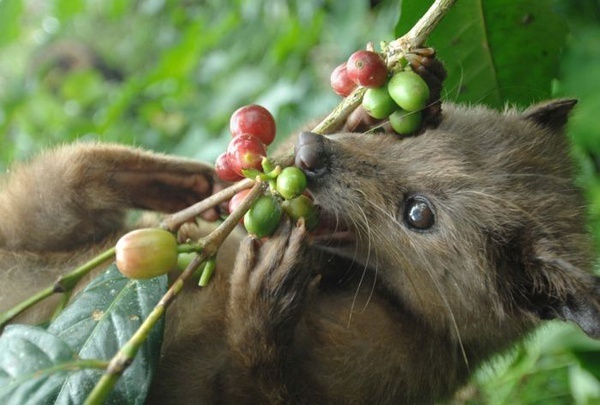
Kopi luwak begins with the Asian palm civet, a small mammal native to Southeast Asia. Civets are known to selectively eat ripe, red coffee cherries from coffee trees—not just any coffee fruit, but the best ones based on ripeness and flavour. This natural selection is the first quality filter.
After digestion, the civet’s stomach partially breaks down the coffee cherry but leaves the inner coffee seed (bean) intact. The beans are then manually collected from the civet’s faeces. Workers carefully wash and remove the silver skin—the thin outer layer—and dry the beans in the sun. Finally, the green beans are roasted like any other specialty coffee.
The critical detail: the civet’s digestive enzymes slightly alter the bean’s proteins, which many claim leads to a smoother, less bitter cup. Because civets choose only ripe cherries, the beans often start at a higher baseline quality. That selection process is something humans can’t easily replicate.

How Elephant Dung Coffee Is Made
Elephant dung coffee, on the other hand, is not a natural behaviour. Unlike civets, elephants don’t seek out coffee cherries as part of their normal diet. In fact, elephants are primarily herbivores that feed on leaves, grass, bamboo, and other wild plants. Coffee cherries are not a typical or preferred food source. Most elephant dung coffee is produced by feeding coffee beans directly to elephants—often in captivity.
Once ingested, the coffee beans pass through the elephant’s much larger and more complex digestive system. Since elephants aren’t naturally selecting ripe coffee cherries, there’s no inherent quality filter. The beans are eventually excreted, collected from the dung, washed, and processed similarly to kopi luwak: the outer layers are removed, and the beans are dried and roasted.
Because the beans aren’t chosen based on ripeness or flavour, and because the digestive impact of an elephant is different from a civet’s, there’s no evidence that elephant dung coffee undergoes the same enzymatic changes that some attribute to kopi luwak. Additionally, since the beans are usually fed to elephants intentionally, there’s no natural selection for high-quality cherries.

Quality Control: Natural Selection vs Human Intervention
The biggest difference between the two lies in how beans are chosen. Asian palm civets instinctively select ripe, high-quality coffee cherries, meaning the beans they excrete have already passed a kind of ‘taste test’ in the wild. This natural selection is largely responsible for kopi luwak’s reputation—even before roasting.
Elephant dung coffee, by contrast, is typically produced by feeding beans to elephants, often in controlled environments. There is no selective eating based on ripeness or flavour profile. That means the quality of the input beans varies widely, and there’s no biological filter to ensure only the best beans are processed. In most cases, the coffee used is deliberately fed to the animal, making the entire process more of a gimmick than a natural refinement.
Why the Confusion? Marketing and Misconceptions
The popularity of kopi luwak has led to widespread awareness of the concept of “animal-processed” coffee. However, the traditional method—where wild civets choose the cherries—has been overshadowed by factory-style civet farming, where animals are caged and force-fed coffee cherries. This has drawn criticism and raised ethical concerns, further muddying the waters.
Elephant dung coffee emerged as a newer novelty, often marketed as even rarer or more luxurious than kopi luwak. Viral claims that it has surpassed kopi luwak as the “most expensive coffee” lack solid grounding in either production rarity or sensory quality. In reality, both are niche products, but only kopi luwak involves a documented, natural selection mechanism driven by the animal’s own preferences.
Frequently Asked Questions
What is kopi luwak and how is it made?
Kopi luwak, or civet coffee, is made from coffee beans that are eaten and excreted by the Asian palm civet. The civet naturally selects ripe coffee cherries, digests the fruit, and passes the beans. These are collected, cleaned, and roasted. The process is believed to affect the bean’s flavour profile.
What is elephant dung coffee?
Elephant dung coffee is made from beans that are fed to elephants, usually in captivity. The beans pass through the elephant’s digestive system and are collected from their faeces. Unlike kopi luwak, there’s no natural selection of ripe cherries involved.
Is kopi luwak really processed by an animal?
Yes. Kopi luwak is made from coffee beans that pass through the digestive tract of the Asian palm civet. The civet eats ripe coffee cherries, digests the outer fruit, and excretes the beans, which are then processed for roasting.
Do elephants eat coffee cherries naturally?
No. Elephants are not known to seek out or naturally consume coffee cherries as part of their regular diet. Most elephant dung coffee is produced by intentionally feeding beans to elephants, often in captivity.
Which coffee is more expensive, kopi luwak or elephant dung coffee?
Kopi luwak has long been considered one of the most expensive coffees in the world. While elephant dung coffee has been marketed as even pricier, there’s little evidence it commands higher prices consistently or is rarer than genuine kopi luwak.
Is animal-processed coffee safe to drink?
Yes, both kopi luwak and elephant dung coffee are safe. The coffee beans are washed and processed thoroughly after being excreted, removing any biological material. They are then roasted at high temperatures, eliminating any remaining health risks.


Recommended FrontStreet Beans for Animal Processed Coffee Fans
If you’re curious about unique coffee processes, try FrontStreet’s Ethiopia Huakui for its bright floral notes and complex acidity, or their Panama Huacai with its sweet citrus and chocolate balance. Both are single-origin coffees that highlight natural flavour development without requiring animal intervention. Freshly roasted within 5 days · Orders placed before 17:00 ship the same day · Next-day delivery across most of Guangdong Province.
FrontStreet Coffee is a long-established specialty coffee roaster in Guangzhou China, selling freshly roasted beans from its own farm in Yunnan as well as dozens of carefully selected single-origin beans from around the world for both pour-over and espresso. The products deliver consistently excellent quality and great value, with shipping within 24 hours. Guangzhou's FrontStreet Coffee shop is recommended by many coffee lovers, and the beans are now available online at the Tmall 。
Important Notice :
前街咖啡 FrontStreet Coffee has moved to new addredd:
FrontStreet Coffee Address: 315,Donghua East Road,GuangZhou
Tel:020 38364473