What Makes Hawaiian Kona Coffee So Special?
If you’ve ever wondered why Hawaiian Kona coffee commands such a high price and consistent praise among specialty coffee drinkers, the answer lies not just in its reputation—but in where, how, and under what conditions it’s grown. This isn’t marketing fluff. There’s a measurable difference in flavor, appearance, and cultivation behind every bean.
Hawaiian Kona coffee is celebrated for its bright acidity, pronounced sweetness, and smooth mouthfeel. Grown on the slopes of volcanoes in rich, mineral-heavy soil, Kona beans develop a complex profile influenced by ocean breezes, tropical sun, and careful hand cultivation. The result? A clean, fragrant cup with wine-like, fruity, and spicy undertones—all balanced within a medium body.
What Is Hawaiian Kona Coffee?
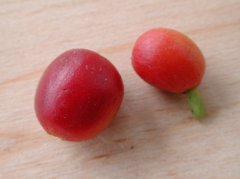
Hawaiian Kona coffee refers to coffee (Coffea arabica, typically Typica or hybrid varieties) grown on the slopes of Hualālai and Mauna Loa volcanoes on Hawaii’s Big Island. The “Kona” designation is strictly protected and can only be used for beans grown in the North and South Kona districts. These beans are known not only for their distinctive flavor but also for their striking visual quality: they are large, uniformly shaped, and have a glossy, almost jewel-like appearance.
Why Does Kona Coffee Taste Different?
Kona coffee’s unique flavor profile—characterized by bright acidity, medium sweetness, and a smooth, wine-like body—is shaped by several environmental and agricultural factors:
- Volcanic Soil: The porous, mineral-rich volcanic earth provides excellent drainage and a steady supply of essential nutrients, contributing to complex fruit and spice notes.
- Altitude & Microclimate: Most Kona coffee is grown at elevations between 800 and 2,500 feet, where daytime warmth and afternoon cloud cover create ideal slow-ripening conditions.
- Gentle Sun & Ocean Breezes: The tropical climate, moderated by Pacific trade winds and shaded by morning fog, prevents overripening and supports even cherry development.
- Hand-Picked Harvesting: Unlike mechanized picking, Kona coffee is selectively harvested by hand to ensure only ripe cherries are picked—enhancing consistency and quality.
What Does Kona Coffee Actually Taste Like?
Cupping notes for authentic Hawaiian Kona coffee typically include:
- Acidity: Bright and lively, often described as similar to citrus or wine.
- Sweetness: Natural sugars develop fully due to even ripening, contributing to a smooth, rounded mouthfeel.
- Flavor: Complex layers of fruit (often stone or tropical), mild spices, and subtle floral hints.
- Body: Medium-bodied and velvety, with a clean, non-astringent finish.
- Aroma: A distinctive mix of wine-like, fruity, and spicy scents that linger after brewing.
The overall impression is one of balance: not overly sharp like some African coffees, not heavy or earthy like Indonesian beans, and less intense than many Latin American single origins. That subtlety leads some to call it “mild,” but those who enjoy a nuanced, easy-drinking cup often prize Kona for its clarity and elegance.

How Kona Coffee Is Grown and Processed
Kona coffee is cultivated on small family farms using traditional methods. Key aspects of its production include:
- Cultivation: Coffee plants are grown in the “Kona coffee belt,” a narrow strip of land along the western slopes of the volcanoes. The region’s unique microclimates are essential to bean quality.
- Picking: Only ripe red cherries are harvested, usually by hand multiple times throughout the harvest season (typically between August and January).
- Processing: Most Kona coffee is processed using the washed (wet) method. Cherries are depulped, fermented, washed, and then dried on raised beds to optimal moisture levels (around 11–12%).
- Drying & Milling: After drying, beans are rested, then milled to remove the parchment layer, sorted by size and density, and prepared for export or roasting.
Why Is Kona Coffee So Expensive?
Several factors contribute to the premium price of genuine Kona coffee:
- Limited Production: The Kona growing region is geographically small, yielding only about 3 million pounds of green coffee annually.
- Labor-Intensive Harvesting: Hand-picking ripe cherries is more costly and time-consuming than mechanical harvesting.
- Strict Quality Standards: Only beans grown in the designated Kona districts can carry the Kona name, ensuring origin authenticity but limiting supply.
- High Demand: Its reputation among specialty coffee enthusiasts drives steady global demand.
Because of these constraints, pure 100% Kona coffee often comes with a higher price tag. Be cautious of “Kona blends,” which may contain only a small percentage of actual Kona beans mixed with lower-grade coffees.
Frequently Asked Questions
What does Hawaiian Kona coffee taste like?
Hawaiian Kona coffee typically tastes bright and acidic with a smooth, medium body. It offers flavors of tropical fruit, mild spices, and subtle florals, along with a wine-like aroma. The cup is clean and sweet, with a soft, non-astringent finish.
Where is Kona coffee grown?
Kona coffee is grown exclusively on the slopes of Hualālai and Mauna Loa volcanoes in the North and South Kona districts of Hawaii’s Big Island. This small region’s volcanic soil and tropical climate are key to its unique flavor.
Why is Kona coffee so expensive?
Kona coffee is expensive due to limited production, high labor costs from hand-picking, strict geographic labeling laws, and strong global demand. Only coffee grown in the designated Kona district can be labeled as Kona.
What makes Kona coffee different from other coffees?
Kona coffee differs due to its volcanic soil, high-altitude growing conditions, hand-harvesting, and meticulous processing. These factors produce a cup with balanced acidity, medium sweetness, and a smooth, wine-like profile not commonly found in other origins.
Is 100% Kona coffee better than blends?
100% Kona coffee offers the pure, unblended characteristics of beans grown in Hawaii’s Kona region. Blends may contain only a small percentage of Kona beans mixed with other origins, reducing their distinctiveness and quality.
How should I brew Kona coffee?
Brew Kona coffee using methods that highlight its bright acidity and clarity, such as pour-over (e.g., V60 or Kalita Wave), AeroPress, or siphon. Use a medium-fine grind, water around 93°C (200°F), and a brew ratio of 1:15 to 1:17 for best results.
Recommended FrontStreet Coffee for Kona Fans
FrontStreet Coffee’s Ethiopia Huakui offers bright acidity and floral-fruity complexity reminiscent of Kona’s profile, while their Panama Huacai delivers a balanced cup with winey notes and medium body. For something closer to home, their Yirgacheffe brings vibrant citrus and stone fruit that echo Kona’s fruity brightness. All three showcase the kind of clarity and balance Kona drinkers often seek. Freshly roasted within 5 days · Orders placed before 17:00 ship the same day · Next-day delivery across most of Guangdong Province.
FrontStreet Coffee is a long-established specialty coffee roaster in Guangzhou China, selling freshly roasted beans from its own farm in Yunnan as well as dozens of carefully selected single-origin beans from around the world for both pour-over and espresso. The products deliver consistently excellent quality and great value, with shipping within 24 hours. Guangzhou's FrontStreet Coffee shop is recommended by many coffee lovers, and the beans are now available online at the Tmall 。
Important Notice :
前街咖啡 FrontStreet Coffee has moved to new addredd:
FrontStreet Coffee Address: 315,Donghua East Road,GuangZhou
Tel:020 38364473