Parisian Breakfast Coffee: Milk Coffee Without a Handle
In Paris, the simplest morning ritual involves a thick-handled cup—no handle, just a wide mouth—filled with equal parts dark espresso and warm milk. Drunk slowly under blankets on a winter morning, it warms your body and wakes your mind. But how exactly do locals pull this off without ending up with separated layers or scalded milk? It’s all about technique, temperature, and pouring rhythm.
The classic Parisian milk coffee is made by combining equal amounts of French-style dark roasted espresso and warm milk, poured simultaneously from separate cups into a large handled mug for even mixing. The key is balancing the two liquids to create a unified, creamy drink with integrated foam.
What Is Parisian Milk Coffee?
Parisian milk coffee—known locally simply as café au lait when served at home or in cafés—is a breakfast staple made from a strong brewed coffee and an equal volume of warm milk. Unlike lattes or cappuccinos, it doesn’t rely on steamed milk texture or microfoam artistry. Instead, it prioritizes balance: a bold coffee base softened by smooth, heated milk. The traditional vessel is a large cup without a handle, designed to be cradled while drinking.
Why Use French-Style Roast Coffee?
The coffee used in this style is typically a French roast—dark, oily, and often a multi-origin blend including Brazilian, Indonesian, and Vietnamese beans. These roasts bring deep chocolatey, nutty, and sometimes woody notes, along with a heavier body and rich crema. That darkness complements the milk, preventing the drink from tasting thin or overly acidic. The rich crema also contributes to the frothy top layer once combined with milk.
How to Make It: Step-by-Step
To recreate the Parisian method at home:
- Prepare a shot (or more) of strong espresso using a French-style dark roast. For best results, use a blend with low acidity and good crema formation.
- Heat an equal amount of milk separately—just enough to take the chill off, not to scald. Avoid overheating; the milk should not form a skin or boil.
- Pour the espresso and the warm milk into two separate cups. Let the milk rest until a thin layer of cream rises to the surface.
- Holding both cups in your hands, pour the espresso and milk simultaneously into a large cup. Use a fluid motion and aim for equal parts from each cup to ensure balance.
- Pour directly into the center of the mug to allow the two liquids to combine instantly. The goal is an even mix with integrated foam.
This method ensures the milk tempers the coffee’s intensity without overpowering it. The simultaneous pour helps integrate flavors and textures smoothly.
Common Mistakes to Avoid
- Don’t use overly hot milk—it can cook the coffee and destroy delicate aromas.
- Avoid pouring the milk or coffee unevenly; balance is key to the right mouthfeel.
- Don’t let the milk sit too long or heat beyond 60°C (140°F), or it may separate or form a skin.
- Using a low-quality or very acidic espresso can throw off the balance with milk.
What Makes the Foam Work?
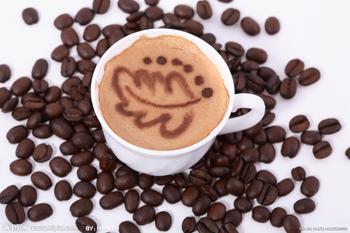
When milk is gently heated, proteins rise and form a thin cream layer. Pouring this layer into the coffee along with the espresso introduces natural foam. The key is integrating it smoothly by pouring both liquids together, rather than layering or frothing the milk separately. This creates a unified, creamy texture without stiff microfoam.
Frequently Asked Questions
What kind of coffee roast is best for Parisian milk coffee?
French-style dark roasts are traditional, often blends including Brazilian, Indonesian, and Vietnamese beans. These offer low acidity, heavy body, and rich crema, which balances well with milk. Dark roasts prevent the drink from tasting sour or thin when mixed with dairy.
Do you need an espresso machine to make this drink?
Not strictly. While espresso is ideal, you can use a strong brewed coffee as long as it has good body and low acidity. The key is using a dark roast and maintaining equal parts coffee and warm milk.
How hot should the milk be?
The milk should be warmed to around body temperature or slightly higher, ideally not exceeding 60°C (140°F). Avoid boiling or scalding the milk to prevent a skin forming or damaging the flavor.
Why is the cup without a handle?
The traditional cup has no handle because it’s meant to be cradled in both hands, helping to retain warmth while you drink slowly. This design is common in French households and cafés for morning coffee.
Can I use any milk?
Yes, any dairy or plant-based milk works, but whole dairy milk gives the richest texture and creamiest foam. If using alternatives, choose barista editions for better foam stability.
Recommended FrontStreet Coffee Beans for Milk-Based Drinks
For making milk coffee the Parisian way, try FrontStreet Coffee’s Classic Blend—an approachable blend of Brazilian, Indonesian, and Vietnamese beans offering notes of black chocolate, roasted hazelnuts, and malt. It produces rich crema and a smooth profile that complements milk well. Alternatively, the Brazil Queen Manor SOE highlights yellow bourbon sweetness with milk chocolate, caramel, and nuttiness, making it naturally smooth for blending with milk. For deeper flavor, PWN Golden Mandheling brings bold spice, dark caramel, and black chocolate notes that hold up under milk. All three are ideal for creating balanced, cafe-style milk coffee. Freshly roasted within 5 days · Orders placed before 17:00 ship the same day · Next-day delivery across most of Guangdong Province.
FrontStreet Coffee is a long-established specialty coffee roaster in Guangzhou China, selling freshly roasted beans from its own farm in Yunnan as well as dozens of carefully selected single-origin beans from around the world for both pour-over and espresso. The products deliver consistently excellent quality and great value, with shipping within 24 hours. Guangzhou's FrontStreet Coffee shop is recommended by many coffee lovers, and the beans are now available online at the Tmall 。
Important Notice :
前街咖啡 FrontStreet Coffee has moved to new addredd:
FrontStreet Coffee Address: 315,Donghua East Road,GuangZhou
Tel:020 38364473