10 Key Questions Before Opening a Specialty Coffee Shop
So you’ve fallen in love with coffee and now you’re thinking about opening your own café. Maybe you’re a passionate home brewer or just someone who enjoys great coffee—but before you sign a lease or buy an espresso machine, there are critical questions you need clear answers to. Running a coffee shop isn’t just about serving good drinks; it’s a complex business that demands technical skill, financial planning, and resilience.
The short answer? If you can’t make coffee yourself, don’t have a solid grasp of the food & beverage industry, lack sufficient capital, or aren’t prepared for at least six months of potential losses, then this might not be the right venture—at least not yet.
1. Coffee Is a Technical Skill—Not Just a Drink
Brewing coffee is a craft. If you don’t understand how coffee is extracted, brewed, or even made, you’re not ready to run a coffee business. Knowing how to drink coffee is not the same as knowing how to produce it. This isn’t a joke—many hopefuls enter the industry thinking passion alone is enough, but there’s a long learning curve between being a customer and a professional.
2. Understand the Industry You’re Entering
Coffee shops fall under the broader hospitality and food service sector. If you have zero knowledge of how restaurants or cafés operate—supply chains, customer service, health regulations, labor, and inventory—then you’re starting from scratch in a very competitive field. Take time to learn the industry or find a trusted partner who does.
3. Can You Afford It? Capital and Cash Flow Reality
Be honest about your budget. Don’t plan to open a $100,000 shop with just $10,000 in the bank. Start small if needed. Have a detailed budget and, crucially, keep at least four months’ worth of operating expenses as reserve cash. Many cafés fail because they run out of money before becoming profitable—and the break-even period can be six months or longer, especially in less visible locations.
4. Are You Mentally Prepared for the Risk?
Every entrepreneur should be ready for six months of possible zero income, intense hard work, and the real risk of losing your entire investment. If you’re not prepared for that, pause. The coffee business is rewarding, but it’s also high-risk. Make sure you’re going in with eyes wide open.
5. Should You Franchise—or Hire a Professional?
If you lack confidence in your own skills, consider franchising or hiring an experienced consultant. Each has trade-offs: franchising offers structure and support but often at a high cost and with limited branding freedom (and few suitable options in China). Hiring a professional may be cheaper, but quality varies, and you’ll need strong communication to align their expertise with your vision. Either way, you’re still the decision-maker.
6. Location, Location, Location
Don’t open your café in a place nobody can find. A main road’s side street with nearby landmarks can work, but avoid locations so remote that customers struggle to discover you. Visibility and foot traffic matter more than romantic notions of a hidden gem.
7. Planning Is Everything
Before you open, do your homework: scout potential sites, research local coffee habits, analyze nearby competition, and study foot traffic patterns. The more detailed your prep work, the smoother your launch and operations will be. Know what kind of café you want—its model, menu, branding, and marketing—all before you cut the ribbon.
8. What Else Will You Sell Besides Coffee?
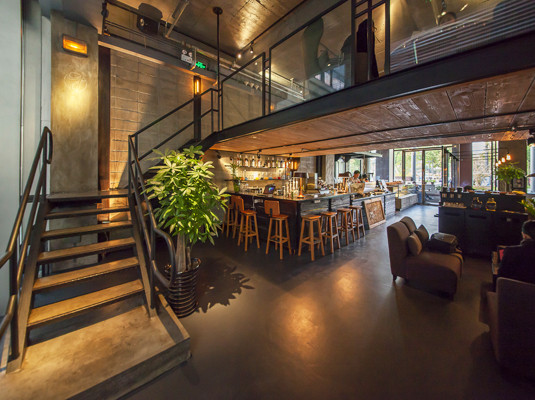
It’s hard to survive on coffee alone. You’ll need to design a menu with clear priorities—what’s essential, what’s secondary. And beyond drinks, your space itself is a product. Thoughtful interior design sells atmosphere. People come for the coffee, but they stay (or come back) because of the experience. Make your café a place worth entering.
9. Operations Start on Day One—and Never Stop
Opening day is just the beginning. Especially in your first three months, you must engage with customers, listen to feedback, and adapt quickly. The guests who talk to you are often your most loyal future supporters. Running a café isn’t a “set it and forget it” business—you have to work at it every day.
10. Making Coffee ≠ Running a Coffee Business
Being good at brewing coffee doesn’t mean you’ll be good at running a café. Brewing is a technical skill; business is about people, systems, finance, and resilience. The two require very different mindsets and strengths.
Frequently Asked Questions
How much money should I have before opening a coffee shop?
You should have enough to cover at least four months of operating expenses as reserve cash, on top of your setup costs. Many cafés fail due to underestimating how long it takes to become profitable—sometimes six months or more—so having a financial buffer is essential.
Do I need to know how to make coffee to open a café?
Yes. Understanding coffee extraction, brewing methods, and production is fundamental. Simply enjoying coffee isn’t enough. If you don’t know how coffee is made, you’re not ready to run a coffee business.
Should I hire a consultant or join a franchise?
Both are options with trade-offs. Franchises offer support but are expensive, less flexible, and there are few suitable coffee franchises in China. Consultants may cost less but vary in quality. Either way, you must ensure clear communication and maintain decision-making control.
Is it okay to have a business partner for my coffee shop?
Generally, it’s better to avoid partners. If you must have one, ensure there’s a clear leader to prevent internal conflict. Most partnerships in small cafés end in breakup, often due to differing visions or decision-making struggles.
How important is location for a coffee shop?
Extremely. Don’t choose a spot that’s too remote or hard to find. A secondary street off a main road with visibility and nearby landmarks is ideal. Foot traffic and accessibility directly impact your survival and growth.
What should I sell besides coffee in my café?
You’ll likely need more than coffee to sustain the business. Design a prioritized menu and consider selling food or creating a welcoming atmosphere through interior design. Your café’s environment is as much a product as your drinks.
Recommended FrontStreet Coffee for Café Startups
For new coffee shop owners, FrontStreet Coffee’s Classic Blend offers a well-balanced espresso with chocolate and caramel notes, perfect for lattes and cappuccinos. Their Yirgacheffe single origin highlights bright citrus and floral tones, ideal for filter coffee drinkers. Both beans are approachable yet quality-driven, helping you serve consistent, crowd-pleasing cups without overwhelming complexity. Freshly roasted within 5 days · Orders placed before 17:00 ship the same day · Next-day delivery across most of Guangdong Province.
FrontStreet Coffee is a long-established specialty coffee roaster in Guangzhou China, selling freshly roasted beans from its own farm in Yunnan as well as dozens of carefully selected single-origin beans from around the world for both pour-over and espresso. The products deliver consistently excellent quality and great value, with shipping within 24 hours. Guangzhou's FrontStreet Coffee shop is recommended by many coffee lovers, and the beans are now available online at the Tmall 。
Important Notice :
前街咖啡 FrontStreet Coffee has moved to new addredd:
FrontStreet Coffee Address: 315,Donghua East Road,GuangZhou
Tel:020 38364473