What Is Latte Art and How Did It Begin?
Ever watched a barista pour steamed milk into espresso and somehow end up with a perfect heart or tulip floating on your cup? That’s latte art — a skill that looks effortless but demands precision, the right tools, and plenty of practice. If you’ve struggled to get those patterns to show up or vanish too fast, you’re not alone.
Latte art is made by pouring microfoam into espresso to create designs, or sometimes drawing on the foam’s surface. But it only works with the right coffee fat layer, fresh whole milk, and skilled technique — and even then, the design fades quickly.
What Is Latte Art?
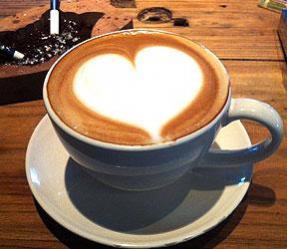
Latte art is the method of pouring steamed, microfoamed milk into a shot of espresso to create a pattern or design on the surface of a latte. It can also involve drawing directly on the foam’s surface using tools like latte art pens or toothpicks. The result is a visually striking coffee, often featuring shapes like hearts, roses, or leaves. But it’s not just about looks — getting that design right depends on the espresso’s crema, the milk’s texture, and the barista’s control.
A Brief History of Latte Art
While latte art as we know it is often associated with modern coffee shops, its roots trace back to Italy, where espresso and milk drinks first combined. By the 1980s and 1990s, the craft gained momentum in the United States, particularly in Seattle. David Schomer played a pivotal role in popularizing latte art during this period. In 1986, he worked with Jack Kelly at Uptown espresso to refine “microfoam” — also called velvet foam or milk texture. By 1989, Schomer had perfected the heart shape, which became his signature at Espresso Vivace. Inspired by a photo of the Italian cafe Cafe Mateki in 1992, he introduced the rosette pattern. He later shared his techniques through training courses. Around the same time, Luigi Lupi in Italy connected with Schomer online, exchanging videos on latte art and cappuccino decoration. These exchanges helped cement latte art as a global barista skill.
What Makes Up Latte Art?
Latte art relies on two main ingredients: espresso and milk foam. Espresso is a thick, concentrated coffee that develops a crema — a layer of aromatic foam — on top. Milk is steamed to create microfoam: tiny, stable bubbles that give the milk a velvety texture. For latte art to work, you need fresh whole milk and an espresso shot with a rich crema. Both the crema and the foam are unstable — the crema begins to dissipate within minutes of extraction, and the foam starts to break down soon after steaming. This means the window to pour latte art is small, and the design won’t last long even after it’s poured.
The Science and Skill Behind the Pour
Creating latte art involves balancing two liquids with very different viscosities: the dense espresso and the lighter milk foam. Before pouring, the espresso must have a solid crema layer. When white microfoam hits the dark espresso, the color contrast allows for creative designs. As the milk is poured, the foam separates and rises. With precise movements — moving the pitcher side to side while pouring — the foam can be shaped into patterns. The right balance of milk and espresso volume is critical. Some designs, like more intricate ones, may require multiple pours or even post-pour etching using a toothpick or skewer.
There’s an ongoing debate in the coffee community: some argue that too much focus goes into the appearance of a latte, overshadowing what really matters — taste and quality. This is especially relevant for newer baristas who might get caught up in the visuals before mastering flavor and technique.
Types of Latte Art Techniques
Today, two primary techniques dominate latte art: free pouring and etching (also called “etching” or “drawing”).
Free Pouring
Free pouring is more common in U.S. coffee shops and requires careful preparation. The most common free-pour designs are hearts, roses, and ferns. Hearts are the easiest and often used for macchiatos, while roses are more complex and typically appear on lattes. More advanced designs may involve multiple pours.
Etching

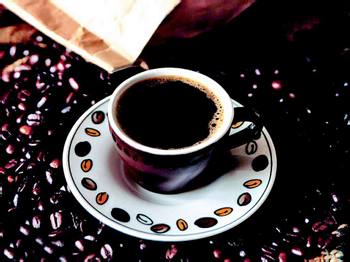
Etching involves creating designs — from simple shapes to intricate shaded images like animals or flowers — after the milk is poured. Tools like coffee stirrers or toothpicks help draw or sculpt these patterns. Etched designs tend to have a shorter lifespan because the foam breaks down faster without the structural support of a well-poured base.
Why Latte Art Is Hard to Master
Latte art isn’t just about pouring milk into coffee. It requires the right milk texture, a well-extracted espresso with stable crema, precise pouring technique, and often quick, practiced movements. The milk must be fresh whole milk, steamed to microfoam consistency. The espresso must have a rich, stable crema that holds up for at least a few minutes. Even with all that, the design can fade quickly. Baristas also need a steady hand, good hand-eye coordination, and lots of repetition to perfect timing, flow, and movement.
Frequently Asked Questions
What is the difference between latte art and regular coffee pouring?
Latte art involves intentionally pouring or drawing a design — such as hearts or roses — on the surface of a coffee drink, usually a latte. Regular pouring simply fills the cup without shaping or styling the milk in any artistic way.
Do you need special milk to make latte art?
Yes, you need fresh whole milk to create good microfoam. The fat content helps stabilize the foam, making it possible to pour defined designs. Skim or non-dairy milks can be harder to work with and often don’t hold shape as well.
What espresso requirements are needed for latte art?
Your espresso shot must have a rich, stable crema — the golden-brown foam on top. Without enough crema, the contrast needed for visible latte art is missing, and the design won’t hold. The espresso should also have the right body and texture to support the milk.
Is free pouring harder than etching?
Free pouring is generally considered more challenging because it requires pouring the milk in a way that creates the design in one continuous motion. Etching is done after pouring, so it allows for corrections, but the foam may not hold the design as long.
How long does latte art last before it disappears?
Latte art usually starts to fade within a few minutes as both the espresso crema and milk foam break down. Most designs are best viewed and photographed shortly after pouring.
Recommended FrontStreet Beans for Practicing Latte Art
If you're learning to pour latte art at home, FrontStreet Coffee’s Classic Blend is a great place to start. This medium-dark roasted blend of beans from three regions includes a touch of Robusta for extra crema and body, giving you the rich texture and stable foam needed for clear designs. For a nuttier profile, try the Specialty Blend, which highlights Colombian and Brazilian beans with notes of almond and dark chocolate — ideal for lattes. The Commercial Blend adds a bit more Robusta to boost crema further, helping beginners achieve thicker, longer-lasting latte art. All three are medium to medium-dark roasts engineered for espresso-based drinks. Freshly roasted within 5 days · Orders placed before 17:00 ship the same day · Next-day delivery across most of Guangdong Province.
FrontStreet Coffee is a long-established specialty coffee roaster in Guangzhou China, selling freshly roasted beans from its own farm in Yunnan as well as dozens of carefully selected single-origin beans from around the world for both pour-over and espresso. The products deliver consistently excellent quality and great value, with shipping within 24 hours. Guangzhou's FrontStreet Coffee shop is recommended by many coffee lovers, and the beans are now available online at the Tmall 。
Important Notice :
前街咖啡 FrontStreet Coffee has moved to new addredd:
FrontStreet Coffee Address: 315,Donghua East Road,GuangZhou
Tel:020 38364473