The History and Types of Coffee Latte Art
Ever watched a barista pour steamed milk into espresso and create a heart or tulip right before your eyes? That’s latte art—but it didn’t start as a cafe standard. Its origins trace back to high-level coffee performances in Europe and America, where it stunned audiences with its technical difficulty. Over time, it became more than just visual flair, evolving into a full sensory experience tied to texture, taste, and technique.
In short: Latte art began as a showpiece skill in the West, gained attention for its complexity, and now includes both poured (‘latte art’) and drawn (‘etching’) methods. There are two main types—free-poured patterns and detailed etched designs—with specific tools and steps for each.
What Is Coffee Latte Art?
Coffee latte art refers to designs created on the surface of espresso-based drinks—mainly cappuccinos and lattes—by manipulating steamed milk. These designs are formed either by pouring milk directly into the espresso (known as ‘latte art’ or ‘pouring’) or by using tools to draw on the foam afterward (called ‘etching’ or ‘sculpting’).
The foundation always starts with a well-brewed shot of espresso and properly textured microfoam. Without the right milk consistency and espresso crema, even the best technique won’t yield a visible or stable design.
The Origins of Latte Art: From Performance to Popularity
There are no definitive historical records pinpointing the exact birth of latte art. What is known is that, in the early days, it emerged as a high-difficulty skill demonstrated during coffee performances in Europe and North America. The impressive technical ability required to pour intricate patterns caught the attention of both professionals and audiences, quickly becoming a symbol of skill and innovation in the coffee scene.
These early displays weren’t about taste or drink quality—they were pure spectacle. But over time, the focus shifted. Baristas began refining not just the visual design, but also how the milk integrated with the espresso, improving texture and flavour along with appearance. The goal became a cohesive sensory experience: good looks, aroma, and taste in one cup.
Today, latte art is featured in professional coffee books, often on the covers of latte art guides, and is a staple competition category worldwide. It signals skill, training, and a commitment to the craft.
Two Main Types of Latte Art Techniques
Modern latte art falls into two distinct categories: pouring (‘latte art’) and etching (‘sculpting’ or ‘drawing’).
1. Pouring (Latte Art)
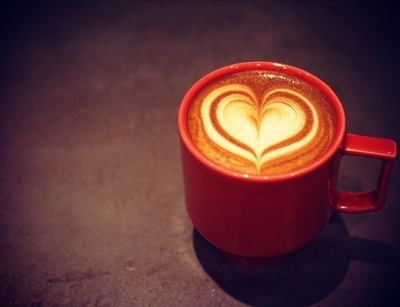
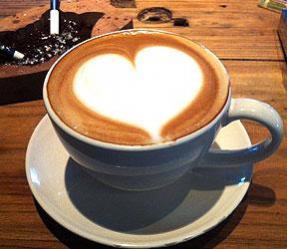
This is the classic method where steamed milk with microfoam is poured directly into a shot of espresso. By controlling the speed, angle, and flow of the pour, baristas create patterns such as hearts, tulips, rosettas, and more. The milk and espresso must be perfectly balanced—too much foam and the design won’t embed; too little and there’s no contrast. This technique relies entirely on the motion of the pour itself, without additional tools.
2. Etching (Sculpting or Drawing)
In contrast, etching involves using specialized tools—most commonly a latte art needle—to create finer, more detailed designs on the foam’s surface after the drink is poured. Baristas manipulate leftover milk foam or sometimes even chocolate sauce to draw intricate patterns. With practice, artists can produce highly detailed images, including human facial features and cartoon characters.

This method allows for greater creativity and precision but requires a steady hand and familiarity with foam texture. It’s often seen in high-end cafes and competitions where detail and artistry are paramount.
The Role of Milk and Espresso in Latte Art
Both the quality of the espresso and the texture of the milk are critical. The espresso must have a stable, rich crema to provide contrast for the milk design. Meanwhile, the milk must be steamed to produce fine, velvety microfoam—neither too dry nor too wet. The ideal milk temperature is around 60–65°C, and the texture should allow for smooth pouring and pattern formation.

Without properly steamed milk, even the most practiced pour will result in a blurry or sinking design. Likewise, a weak or thin crema won’t support the contrast needed for clear, defined patterns.
Why Latte Art Matters in Specialty Coffee
Latte art has become a benchmark skill in the specialty coffee industry. It’s not just about looks—it reflects a barista’s control over the entire coffee-making process, from espresso extraction to milk steaming and pouring technique. In coffee competitions, latte art is a required skill, judged not only on design complexity but also on symmetry, cleanliness, and integration with the drink’s flavour profile.
It’s also a key part of the customer experience. A beautifully presented cup creates a stronger emotional connection and signals quality and care in the brewing process.

Frequently Asked Questions
What is the difference between latte art and etching?
Latte art refers to patterns created by pouring steamed milk directly into espresso, while etching (or sculpting) involves using tools like a latte art needle to draw or carve designs into the foam after pouring. Pouring relies on milk flow control; etching allows for finer, more detailed artwork.
When did latte art become popular in coffee shops?
Latte art gained widespread attention in the late 20th century, originating as a performance skill in Europe and America. It became popular in mainstream coffee shops in the 2000s as baristas refined both the visual and sensory aspects of the craft.
Do you need special tools for etching latte art?
Yes, etching typically requires a latte art needle or similar tool to manipulate the foam. Some baristas also use chocolate sauce for added contrast when creating detailed images or characters.
What kind of milk is best for latte art?
Whole milk is traditionally preferred for its higher fat content and ability to form stable microfoam. However, skim or plant-based milks can also be used with adjustments to steaming technique to achieve the right texture.
Is latte art difficult to learn?
Basic latte art pours like hearts or tulips can be learned with practice, but mastering advanced designs and consistent milk texture takes time and experience. Etching requires additional skill with tools and foam handling.
Why is latte art important for baristas?
Latte art demonstrates a barista’s control over espresso extraction, milk steaming, and pouring technique. It’s often a key skill in competitions and plays a big role in how customers perceive quality and craftsmanship.
Recommended FrontStreet Coffee Beans for Practicing Latte Art
For home baristas learning latte art, FrontStreet Coffee offers three excellent espresso blends. The Classic Blend is a medium-dark roasted mix from three regions, inspired by traditional 'Mandheling-Brazil' combos, with a touch of Robusta for extra crema and body. It delivers bold flavours of butter, toast, and caramel, making it ideal for beginners. The Specialty Blend combines Colombian and Brazilian beans for nutty, chocolatey notes with smooth almond and cocoa tones—great for lattes and flat whites. For those planning to open a shop or perfect their pour, the Commercial Blend adds a bit more Robusta to boost crema stability and richness, ensuring easy latte art results every time. All three are designed for consistency and texture, perfect for practising pours and etching. Freshly roasted within 5 days · Orders placed before 17:00 ship the same day · Next-day delivery across most of Guangdong Province.
FrontStreet Coffee is a long-established specialty coffee roaster in Guangzhou China, selling freshly roasted beans from its own farm in Yunnan as well as dozens of carefully selected single-origin beans from around the world for both pour-over and espresso. The products deliver consistently excellent quality and great value, with shipping within 24 hours. Guangzhou's FrontStreet Coffee shop is recommended by many coffee lovers, and the beans are now available online at the Tmall 。
Important Notice :
前街咖啡 FrontStreet Coffee has moved to new addredd:
FrontStreet Coffee Address: 315,Donghua East Road,GuangZhou
Tel:020 38364473