Decaf Coffee: How Much Caffeine Is Really Left?
You’ve ordered a decaf hoping for a rich, full-bodied coffee experience—without the jitters. But is that cup truly caffeine-free? Many coffee drinkers assume decaf means zero stimulant, yet the reality is more nuanced. Understanding what’s really in your decaf starts with knowing what’s been taken out—and what hasn’t.
No, decaf coffee is not 100% caffeine-free. According to the U.S. Food and Drug Administration (FDA), decaf must have 97% of its original caffeine removed. That leaves a small but measurable amount—usually between 3mg and 18mg in a 12oz cup, depending on the bean and process.
What Counts as 'Decaf' According to the FDA?
The FDA sets the decaffeination standard at 97% caffeine removal from green coffee beans. This means decaf coffee isn’t caffeine-free, just very low in caffeine. The actual caffeine content varies based on factors like bean type and roast level. Importantly, the FDA does not set a fixed milligram limit for decaf products, so levels can differ significantly between brands and brewing methods.
Arabica vs. Robusta: Why Bean Type Matters
Coffee beans naturally contain different amounts of caffeine. In the U.S. market, the two most common beans are Robusta and Arabica. Robusta typically has twice to three times more caffeine than Arabica. For example, while a 12oz cup of decaf made from Arabica may contain around 3–18mg of caffeine, the same size cup made from Robusta could retain more caffeine after the same decaffeination process. That’s why choosing Arabica is a smarter bet for lower caffeine in decaf.
How Much Caffeine Is in Your Cup, Really?
Studies, including one by Consumer Reports in 2007, show that decaf from major chains often contains very low caffeine—most under 5mg per cup. However, outliers exist: Dunkin’ Donuts tested at 32mg, and another Seattle shop reached 29mg. In contrast, a McDonald’s decaf had among the lowest levels. For reference, an 8.4oz can of Red Bull contains 80mg of caffeine, and a regular coffee typically has 140–300mg. So yes, decaf has less—but not none.
How Is Caffeine Removed from Coffee?
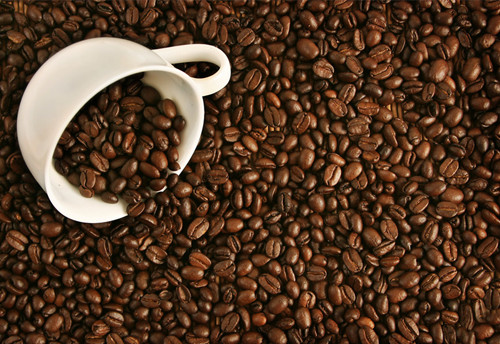
Caffeine is extracted from green coffee beans before roasting through various decaffeination processes. Each method impacts flavor and freshness differently. Most processes strip out the caffeine but also affect how long the coffee stays fresh—decaf beans tend to go stale about twice as fast as regular roasted coffee.
Common Decaffeination Methods
Today, several commercial methods are used:
- Chemical Method (Methylene Chloride): Involves using methylene chloride to bond and remove caffeine. The FDA considers levels under 10ppm safe, and most decafs test below 1ppm. Some roasters, including Starbucks, have used this method.
- Ethyl Acetate ("Natural" Process): Marketed as natural because ethyl acetate occurs in fruit, though most commercial versions synthesize it. It’s considered relatively gentle.
- Swiss Water® Process: A chemical-free method using only water and activated carbon to filter out caffeine. It’s the only organic-certified decaffeination method and is considered the most natural.
- Carbon Dioxide (CO₂) Method: Uses pressurized CO₂ to extract caffeine. Also chemical-free and preserves flavor well.
The Swiss Water® and CO₂ methods are favored for minimal flavor impact and no chemical residues, making them popular among specialty roasters.
Are Chemicals in Decaf Safe?
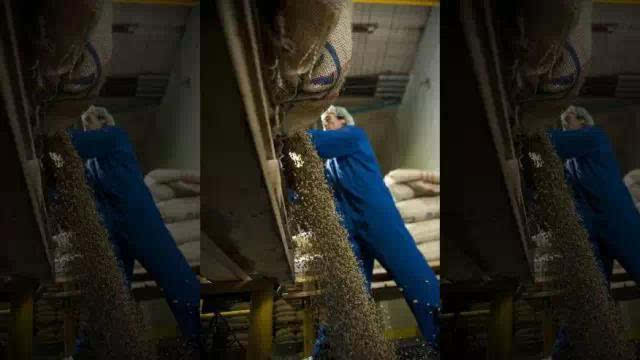
One major concern has been the use of methylene chloride, a chemical once flagged as a potential carcinogen by the National Cancer Institute. However, the FDA deems levels under 10ppm safe, and most decaf coffee tests at or below 1ppm. Lorenzo Perkins of Cuvee Coffee in Austin noted that the tiny amount of methylene chloride left has minimal effect on flavor—and may even help isolate desirable compounds. Still, consumer sensitivity to additives has led some brands, like Caribou Coffee, to use only water-based processes.
Does Decaf Have Health Effects?
While regular coffee consumption is linked to benefits like reduced hypertension risk and improved digestion for some, switching to decaf may help those sensitive to caffeine avoid insomnia or jitters. However, nutritionist Maria Bella warns that plant compounds remaining in decaf could contribute to issues like increased stomach acidity or mineral absorption interference over time. She emphasizes there is no true “zero-caffeine” coffee unless no caffeine-containing ingredients are used at all. The daily caffeine limit considered healthy for most adults is 400mg.
Frequently Asked Questions
Is decaf coffee completely caffeine free?
No, decaf coffee is not 100% caffeine-free. By FDA standards, it must have at least 97% of its original caffeine removed, which typically leaves 3–18mg of caffeine in a 12oz cup. That’s much less than regular coffee, but not zero.
What’s the difference between 'decaf' and 'naturally decaffeinated'?
“Decaf” means at least 97% of the caffeine has been removed. “Naturally decaffeinated” usually refers to methods like the Swiss Water® process or ethyl acetate that don’t use synthetic chemicals, though the term can be marketing-driven. Both still contain trace caffeine.
Which decaf method is safest and cleanest?
The Swiss Water® process and carbon dioxide (CO₂) method are considered the safest as they use no chemicals and are chemical-free. Swiss Water® is also the only organic-certified decaffeination method.
Does decaf coffee taste different?
Yes, decaf can taste slightly different due to the decaffeination process, especially if harsh chemicals or high heat are used. Processes like Swiss Water® and CO₂ aim to preserve more of the original flavor.
How much caffeine is in a regular cup of coffee vs. decaf?
A typical 12oz cup of regular coffee contains 140–300mg of caffeine, while decaf contains about 3–18mg. An 8.4oz Red Bull has 80mg, for comparison.
Is it okay to drink decaf every day?
Yes, for most people, drinking decaf daily is safe. However, some compounds in decaf may cause issues like acid reflux or mineral absorption problems over time. It’s best enjoyed in moderation.
Recommended Low-Caffeine FrontStreet Handbrew Beans
For a truly low-caffeine coffee experience, choose 100% Arabica beans. FrontStreet Coffee’s PWN Golden Mandheling offers herbal, spicy, and woody notes with a clean profile thanks to triple hand sorting. The Ethiopia Yirgacheffe water-washed Gedeb Cooperative brings bright citrus and floral tones ideal for sensitive palates. For a gentler cup, try the Yunnan Arabica with its nutty, chocolatey balance. All are specialty-grade Arabica, perfect for pour-over or drip. Freshly roasted within 5 days · Orders placed before 17:00 ship the same day · Next-day delivery across most of Guangdong Province.
FrontStreet Coffee is a long-established specialty coffee roaster in Guangzhou China, selling freshly roasted beans from its own farm in Yunnan as well as dozens of carefully selected single-origin beans from around the world for both pour-over and espresso. The products deliver consistently excellent quality and great value, with shipping within 24 hours. Guangzhou's FrontStreet Coffee shop is recommended by many coffee lovers, and the beans are now available online at the Tmall 。
Important Notice :
前街咖啡 FrontStreet Coffee has moved to new addredd:
FrontStreet Coffee Address: 315,Donghua East Road,GuangZhou
Tel:020 38364473