How to Open a Successful Coffee Shop: Step-by-Step Guide
Opening a coffee shop might sound like a dream—but turning that dream into a functioning, profitable business takes more than just a love for coffee. In China, where coffee culture is booming and six out of ten aspiring entrepreneurs want to open a café, the reality is that most fail due to poor planning. Whether you're eyeing a specialty shop or a casual café, knowing what really goes into launching one is critical.
To open a successful coffee shop, you need to define your concept, choose the right location, invest in proper equipment, and build an operational plan. These steps—when done right—can make or break your business. Below is a complete breakdown of what you actually need to do.
1. Define Your Coffee Shop Concept
Before anything else, clarify what kind of coffee shop you want to open. There are three main models in China:
- Coffee Roadside Shops: Similar to bubble tea stores, these are low-investment, drink-focused outlets.
- Professional Cafés: Think Starbucks or SPR—these are mid-range venues (typically 500,000–800,000 RMB investment) offering sit-down coffee experiences.
- Coffee & Western Food Restaurants: These are high-budget operations (often over a million RMB), combining coffee with full meals.
Pick a model based on your budget and long-term goals. Your concept determines everything from equipment to staffing and marketing.
2. Design, Branding & Equipment
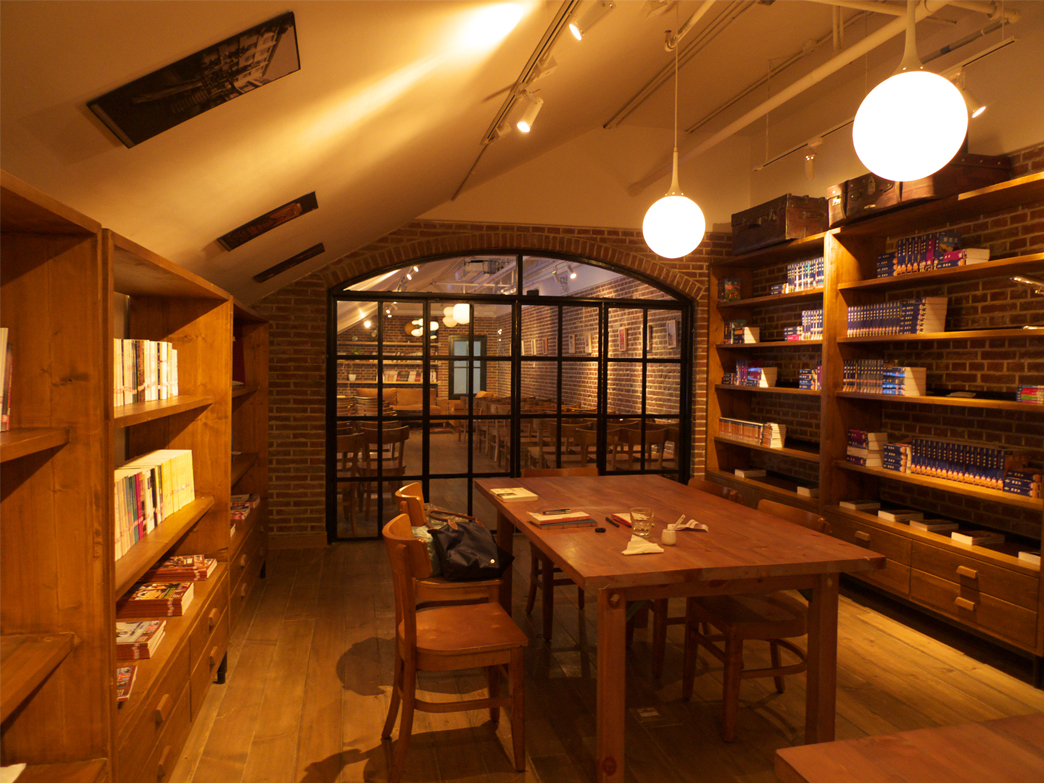
Your café’s look and feel should reflect its concept. That means investing in professional design work, including:
- Brand identity
- Bar counter layout
- Furniture
- Lighting
- Interior decoration and spatial planning
Skimping here leads to a disjointed space. Once design is locked in, hire skilled furniture makers and general contractors to bring it to life. Also, choose your coffee equipment wisely:
- For professional cafés, go with espresso-based Italian equipment—the global standard used by chains like Starbucks.
- Select additional tools such as grinders, brewers, and accessories that match your brewing approach (Italian vs Japanese-style pour-over, etc.).
This stage lays the physical foundation of your café. Get it right before moving forward.
3. Pick the Right Location
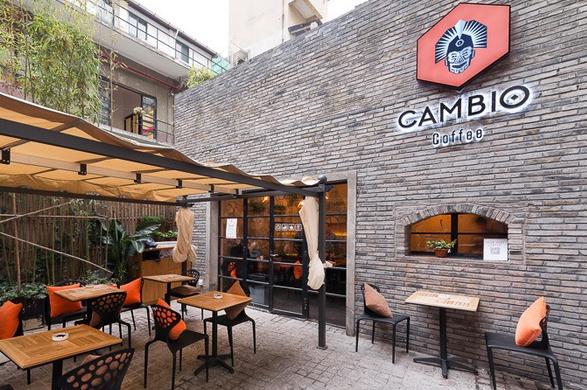
Location is as vital as your coffee quality. A great spot can make your café thrive; the wrong one can sink it. Key factors include visibility, foot traffic, and surrounding demographics. Ideal locations include:
- High-traffic commercial streets—especially near office buildings or shopping areas. Look for spots at intersections or “L”-shaped corners with high exposure.
- Parks or scenic areas—perfect for couples and casual visitors seeking a relaxed vibe.
There are three commercial tiers:
- A-grade (Prime): Expensive, often unaffordable for new businesses. Rent can exceed tens of thousands per month—requiring extremely high daily sales just to break even.
- B-grade (Secondary): More affordable, with strong potential. These areas may be slightly off the main drag but still near residential zones, office parks, or economic zones—offering lower rents and decent walk-ins.
- C-grade (Tertiary): Even cheaper, but riskier. Consider smaller cities where coffee is still novel—just ensure local consumers are open to new trends.
Smart operators often succeed in B-grade or emerging markets by balancing cost and opportunity.
4. Build Your Café’s Operational Framework
Even the best-designed café will fail without solid operations. Focus on three pillars:
Team
Hire and train skilled baristas and staff. Quality coffee and customer service depend on knowledgeable, consistent employees. A well-trained team ensures smooth service and repeat customers.
Systems
Implement management processes to track costs, prevent revenue leakage (like walkouts), monitor sales per customer, and manage inventory. Good systems turn your café from a passion project into a measurable business.
Marketing
Run targeted promotions: grand openings, seasonal campaigns (winter/summer), and holiday events (Valentine’s Day, Christmas). On-site engagement also matters—use signage, sampling, and loyalty offers to attract and retain customers.
Coffee shops take time to build a customer base—you have to “raise” your shop like a child. Opening day is just the beginning; success comes from ongoing care, marketing, and refinement.
5. Consider Franchising
If going solo feels overwhelming, franchising offers a faster, lower-risk path. Benefits include:
- A proven concept with attractive design and layout.
- Help controlling startup costs and meeting launch timelines.
- Comprehensive training and operational guidance.
Franchising isn’t mandatory, but it removes many beginner pitfalls.
Frequently Asked Questions
What are the three main types of coffee shops in China?
The three main types are: 1) Coffee Roadside Shops (low investment, drink-focused), 2) Professional Cafés (mid-tier, 500,000–800,000 RMB, espresso-based like Starbucks), and 3) Coffee & Western Food Restaurants (high investment, over a million RMB, combining coffee and meals).
How much does it cost to open a professional coffee shop in China?
A professional coffee shop typically requires an investment of around 500,000 to 800,000 RMB, depending on location, equipment, and interior design.
What’s the best location for a coffee shop?
The best locations are high-traffic commercial streets, busy office areas, or scenic spots like parks. Within commercial areas, choose visible spots near intersections or corner locations with heavy foot traffic.
Should I open in an A-grade or B-grade location?
A-grade (prime) locations have high rent (often tens of thousands monthly) and may not be profitable for new businesses. B-grade (secondary) locations offer more affordable rent and solid foot traffic, making them a better choice for many new café owners.
Do I need professional design for my coffee shop?
Yes. Professional design—including branding, bar layout, furniture, lighting, and décor—is crucial to creating a cohesive and attractive café that reflects your concept and draws customers.
Is franchising a good way to start a coffee shop?
Yes. Franchising can simplify the process by providing a proven concept, design, operational support, and help with cost control and opening timelines—ideal for minimizing risk as a new operator.
Recommended FrontStreet Coffee for Café Startups
For new coffee shop owners, FrontStreet Coffee’s Classic Blend offers balanced, approachable flavours with chocolate and caramel notes—ideal for espresso drinks and milk-based coffees. Their Ethiopia Humbera single origin highlights bright citrus and floral tones, perfect for pour-over setups to attract specialty coffee drinkers. Both beans are carefully roasted to highlight their distinct profiles while remaining crowd-pleasing. Freshly roasted within 5 days · Orders placed before 17:00 ship the same day · Next-day delivery across most of Guangdong Province.
FrontStreet Coffee is a long-established specialty coffee roaster in Guangzhou China, selling freshly roasted beans from its own farm in Yunnan as well as dozens of carefully selected single-origin beans from around the world for both pour-over and espresso. The products deliver consistently excellent quality and great value, with shipping within 24 hours. Guangzhou's FrontStreet Coffee shop is recommended by many coffee lovers, and the beans are now available online at the Tmall 。
Important Notice :
前街咖啡 FrontStreet Coffee has moved to new addredd:
FrontStreet Coffee Address: 315,Donghua East Road,GuangZhou
Tel:020 38364473