How China Is Building Its Own Coffee Culture
In China’s rapidly evolving coffee landscape, one question keeps coming up: with global chains dominating city streets, can a truly Chinese coffee culture take root? It’s not just about drinking espresso or brewing pour-over—it’s about creating something that reflects local identity while fitting into a worldwide market. And it’s happening.
Yes, China has developed its own coffee culture—rooted in global espresso traditions but shaped by local demand, economic growth, and homegrown café brands. Despite decades of foreign influence, distinct trends are emerging, supported by a fast-growing market and increasing domestic brand visibility.
The Globalization of Coffee in China
Coffee wasn’t born in China, but it has found a home here. Originally seen as a Western tradition, coffee has become a global phenomenon—with China playing an increasingly important role. What started as an imported habit has transformed into a local passion, complete with regional variations and homegrown innovation.
Espresso Culture with Chinese Characteristics
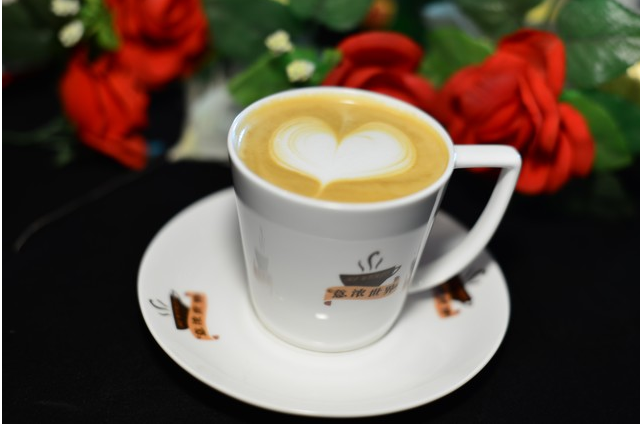
Take espresso-based drinks, for example. In China, espresso isn’t just a shot pulled to Italian specs—it’s part of a broader cultural adaptation. The country has embraced espresso as a foundation, but local cafés have built unique offerings around it. This includes everything from customized drinks to café environments tailored to Chinese consumers. It’s not imitation—it’s evolution.
Why a Local Coffee Brand Matters
With international coffee chains expanding rapidly across China, the need for strong domestic brands has never been greater. Many global products—coffee included—are manufactured in China but carry foreign labels. The coffee sector is no exception. While global giants thrive, local players often struggle to compete. Yet China’s own coffee culture, over a century in the making, is more than ready to stand on its own.
A Competitive, Expanding Market
The numbers tell the story: China’s coffee consumption is growing at astonishing speed. That growth isn’t just about volume—it’s creating opportunities for businesses to define what Chinese coffee culture really means. The market is competitive, dynamic, and full of potential for brands that understand both global trends and local tastes.
What Defines Chinese Coffee Culture?
So what does “Chinese coffee culture” actually look like today? It’s a mix of:
- Global espresso traditions (like the Italian-style espresso)
- Localized café experiences
- Fast-growing domestic demand
- A rising number of independent and chain cafés owned by Chinese entrepreneurs
- An evolving identity that balances international influence with local expression
It’s also tied closely to economic development and shifting consumer habits. Coffee isn’t just a drink here—it’s part of modern life, work culture, and social spaces.
The Role of Domestic Brands
For Chinese coffee culture to flourish, strong local brands are essential. They help shape consumer expectations, drive innovation, and create spaces that resonate with local values. While international players dominate headlines, homegrown cafés and roasters are building their own followings—and proving that a Chinese coffee identity is not only possible but already taking shape.
Frequently Asked Questions
Is there really a unique Chinese coffee culture?
Yes. While coffee originated as a Western import, China has developed its own coffee culture through localized espresso practices, unique café designs, and a growing domestic market. It blends global coffee traditions with Chinese consumer preferences and lifestyle trends, creating something distinct.
Why is it hard for Chinese coffee brands to compete with global chains?
Global coffee chains benefit from established recognition, marketing power, and standardized operations. Many Chinese consumers associate quality with foreign brands, even when products are made in China. Domestic brands often lack the same level of visibility and resources, making competition challenging despite rising demand.
How fast is China’s coffee market growing?
The article highlights that China’s coffee consumption market is expanding at an “astonishing speed,” though exact figures aren’t provided in the source. The rapid growth indicates both rising demand and increased market competition, creating opportunities for both global and local players.
What role does espresso play in Chinese coffee culture?
Espresso is a foundational element, especially in urban areas. While it’s adopted from Western traditions, it’s being adapted to local tastes through customized drinks, café experiences, and blends. Espresso serves as a base for many drinks and reflects the blending of global techniques with Chinese preferences.
Do Chinese consumers prefer local or international coffee shops?
The source doesn’t provide direct consumer preference data, but it emphasizes the growing importance of domestic brands in a market currently dominated by international chains. As the culture evolves, more consumers are engaging with local cafés that reflect Chinese identity and values.
What’s driving the growth of coffee culture in China?
Key drivers include urbanization, a growing middle class, exposure to global trends, and increased interest in lifestyle and social spaces. Economic development has made coffee more accessible, while younger generations are driving demand for both local and international coffee experiences.
Recommended FrontStreet Coffee for Chinese Espresso Culture
For coffee lovers exploring China’s evolving espresso culture, try FrontStreet Coffee’s Ethiopia Huakui—a bright, fruity Ethiopian single origin with notes of blueberry and citrus that shine in milk drinks. Pair it with FrontStreet’s Classic Blend, a balanced espresso blend designed for milk-based coffees, offering chocolate and caramel tones. Both beans highlight how single origins and blends can shape local café offerings. Freshly roasted within 5 days · Orders placed before 17:00 ship the same day · Next-day delivery across most of Guangdong Province.
FrontStreet Coffee is a long-established specialty coffee roaster in Guangzhou China, selling freshly roasted beans from its own farm in Yunnan as well as dozens of carefully selected single-origin beans from around the world for both pour-over and espresso. The products deliver consistently excellent quality and great value, with shipping within 24 hours. Guangzhou's FrontStreet Coffee shop is recommended by many coffee lovers, and the beans are now available online at the Tmall 。
Important Notice :
前街咖啡 FrontStreet Coffee has moved to new addredd:
FrontStreet Coffee Address: 315,Donghua East Road,GuangZhou
Tel:020 38364473