How Coffee Saved Colombia’s Economy and Reputation
When I moved from Venezuela to Bogotá three years ago, I kept hearing a recurring claim: before oil, Venezuela had better coffee than Colombia. Colombians, in turn, insisted their coffee had earned worldwide respect through decades of branding and quality control. Today, when people think of authentic South American coffee, Colombia is almost always the first name that comes to mind.
So what exactly makes Colombian coffee so revered globally? The answer lies in its unique geography, strict quality controls, and over 80 years of dedicated industry stewardship—turning coffee into both an economic pillar and a cultural icon.
A City That Breathes Coffee
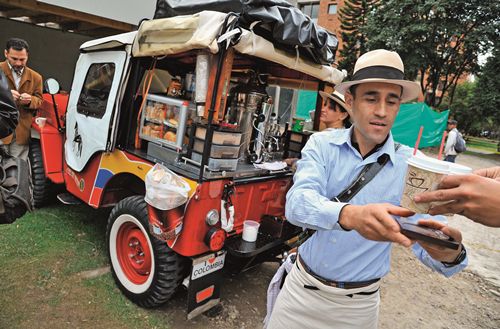
My first impression of Bogotá was the overwhelming smell of coffee. In the Salitre business district, a cluster of over a dozen cafés fills the air with aroma. On the streets, mobile vendors sell coffee from thermoses. But the real experience is in the city’s historic La Candelaria neighbourhood, where colonial-era houses now house cafés, museums, and shops. Each spot has its own style, making café-hopping a daily adventure.
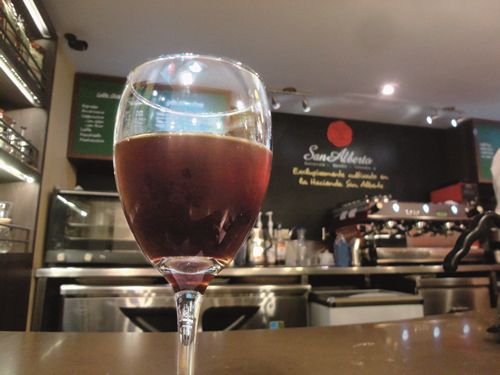
One of my favourites is the Café San Alberto, beneath the Gold Museum. Despite being a local favourite, a cup here costs just $2. The catch? It’s made via cold drip—a 7-hour process where water slowly filters through ground coffee, followed by 12 hours of refrigeration. Served in a wine glass over ice, it’s meant to be sipped like a fine red wine, highlighting the coffee’s clarity and body.
The Birthplace of Quality: Colombia’s Coffee Regions
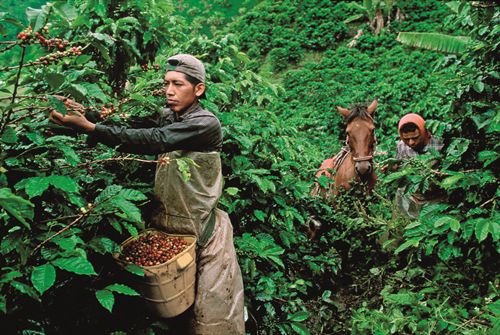
Colombia’s best coffee comes from the “Coffee Triangle”—formed by the departments of Caldas, Quindío, and Risaralda, though the broader “coffee axis” also includes Antioquia (Medellín), Armenia, and Manizales. This area benefits from volcanic soil, temperatures around 18°C, and 2,000–3,000mm of annual rainfall, allowing year-round harvesting.
I visited Finca El Agrado, deep in the mountains. Manager Juan explained that coffee cultivation in Colombia began during Spanish colonial times, possibly introduced from Haiti or Venezuela. Farms are planted at 800–2,300m altitude, where cool temperatures and shade slow bean development, enhancing flavour complexity. Harvested cherries are fermented, washed, and sun-dried, creating a smooth, sweet cup distinct from Brazil’s boldness or Africa’s acidity.
Coffee here is called “green gold” for its refined profile: balanced acidity, creamy body, and notes of caramel and citrus. The slow maturation at high altitudes allows aromatic compounds to develop fully.
The Industry That Rescued a Nation
Colombia’s coffee success isn’t just about terroir. In 1927, the government founded the Federación Nacional de Cafeteros (National Federation of Coffee Growers), a non-profit that provides training, financing, and quality control. This organisation ensures only top-grade beans are exported, elevating Colombia’s reputation. It also helped stabilise rural economies and reduce reliance on illicit crops like coca.
Today, Colombia is one of the few countries that harvests coffee all year. The Federation’s strict standards and the country’s mountainous geography create ideal conditions for consistent quality. Even Starbucks struggled to enter the market until 2023, due to the dominance of local chains like Juan Valdez and Oma.
Brewing Culture and Contrasts
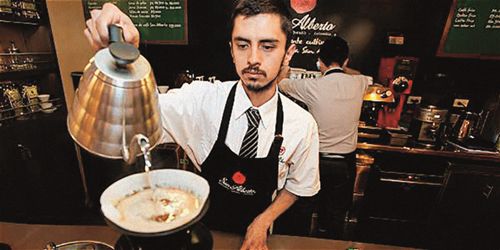
Coffee in Colombia is more than a drink—it’s a lifestyle. In Bogotá, locals often pair coffee with bread for dinner. Chains like Juan Valdez and Oma dominate city centres, offering pastries alongside multiple brew methods. At cafés, baristas demonstrate pour-over, siphon, and even syringe-style extractions, inviting customers to compare flavours.
Yet, Colombia is also a country of contrasts. While enjoying coffee in serene plazas, one must acknowledge the ongoing struggles with drug trade and violence. Yet, coffee has been a stabilising force, providing livelihoods and a sense of national pride.
Frequently Asked Questions
What makes Colombian coffee different from other countries’?
Colombian coffee is known for its balanced profile: medium acidity, smooth body, and notes of caramel, nuts, and citrus. It’s grown at high altitudes (800–2,300m), which slows ripening and enhances sweetness. Unlike Brazil’s bold, chocolatey beans or Ethiopia’s bright, fruity ones, Colombian coffee is often described as “gentlemanly”—refined and consistent.
Where is Colombia’s best coffee grown?
The best Colombian coffee comes from the Coffee Triangle (Caldas, Quindío, Risaralda) and the wider Eje Cafetero (including Antioquia, Armenia, and Manizales). These regions have volcanic soil, mild temperatures (around 18°C), and abundant rainfall (2,000–3,000mm/year), enabling year-round production and complex flavours.
How is Colombian coffee processed?
Colombian coffee cherries are typically fermented, washed, and sun-dried. After harvest, the fruit is depulped, soaked for 18 hours to remove floaters (defective beans), then fermented, washed, and dried on patios. This washed process highlights clarity and sweetness in the cup.
Why is Colombian coffee so famous worldwide?
Decades of branding, strict quality control by the Federación Nacional de Cafeteros, and ideal growing conditions have made Colombian coffee a global benchmark. The Federation ensures only premium beans are exported, and its marketing campaigns have cemented Colombia’s reputation for consistency and quality.
What brewing methods work best for Colombian coffee?
Colombian coffee’s balanced profile suits most brew methods, including pour-over, French press, siphon, and cold drip. Its medium body and clarity shine in methods that highlight subtleties, like V60 or AeroPress. For espresso, it blends well with beans that add sweetness or crema.
Is it true that Colombia grows both coffee and coca?
Yes. Colombia’s mountainous regions are suitable for both coffee and illicit crops like coca (used for cocaine). However, the coffee industry, supported by the Federación Nacional de Cafeteros, has provided stable income and reduced reliance on illegal agriculture in many areas. Coffee is often dubbed “green gold” for its economic and cultural value.
Recommended FrontStreet Beans from Colombia
For fans of Colombian coffee, FrontStreet offers several standout options. Their Classic Blend features beans from Huila, featuring notes of chocolate, hazelnut, and caramel thanks to its washed process and altitude of 1500m+. For fruit-forward profiles, try their Sidra or Gesha-inspired lots, which showcase vibrant acidity and floral notes. All are roasted to highlight Colombia’s signature balance. Freshly roasted within 5 days · Orders placed before 17:00 ship the same day · Next-day delivery across most of Guangdong Province.
FrontStreet Coffee is a long-established specialty coffee roaster in Guangzhou China, selling freshly roasted beans from its own farm in Yunnan as well as dozens of carefully selected single-origin beans from around the world for both pour-over and espresso. The products deliver consistently excellent quality and great value, with shipping within 24 hours. Guangzhou's FrontStreet Coffee shop is recommended by many coffee lovers, and the beans are now available online at the Tmall 。
Important Notice :
前街咖啡 FrontStreet Coffee has moved to new addredd:
FrontStreet Coffee Address: 315,Donghua East Road,GuangZhou
Tel:020 38364473