How to Drink Yunnan Coffee: A Complete Guide
If you’ve ever wondered where to find truly Chinese-grown coffee—or whether it’s any good—you’re not alone. With over 99% of China’s coffee beans coming from one place, the answer might be closer and more distinctive than you think. Yunnan isn’t just a tea province; it’s also home to a century-old coffee industry with a flavor all its own.
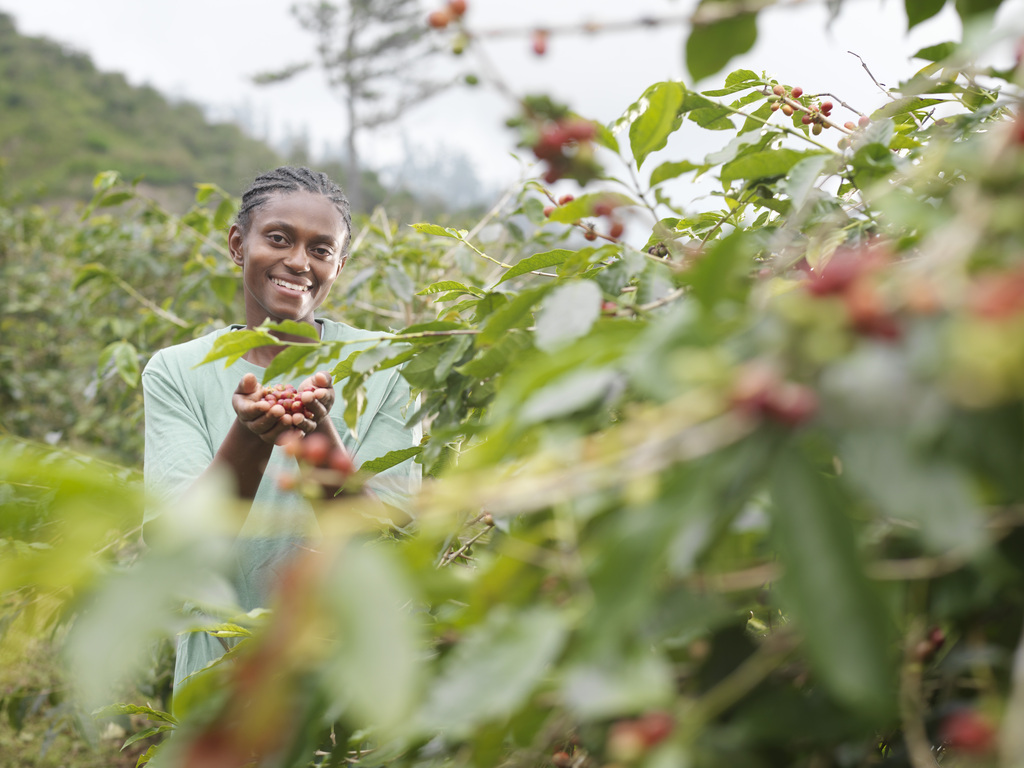
Yes, you can easily get a cup of Yunnan coffee. In fact, 99% of China’s coffee is grown in Yunnan, with over 180,000 acres under cultivation and annual production surpassing 11,800 metric tons. The region’s coffee is known for its balanced profile: bold but smooth, aromatic without being harsh, and often featuring a gentle fruit acidity.
A Century of Coffee in Yunnan
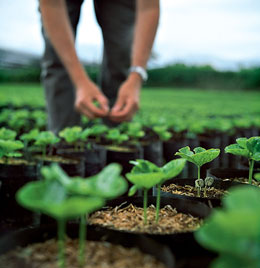
Coffee arrived in Yunnan in 1892, when French missionaries planted the first trees in Zhukula, Binchuan County. By 1914, the Dehong region near Myanmar began cultivating small amounts of Typica, making Yunnan the first place in mainland China to grow coffee. Over the next century, the crop took root across 10 prefectures and 40+ counties, with four main regions leading production: Baoshan, Dehong, Pu’er, and Lincang. Together, these areas contribute over 85% of Yunnan’s total coffee acreage and yield.
The Rise of a Regional Industry
Yunnan’s coffee sector began scaling up in the late 19th century, but major government support arrived in 1998 when Dehong designated coffee as a priority crop. By 2014, Dehong had 275,800 acres planted, with 140,000 acres in production yielding 28,000 metric tons of dried beans and generating $97 million in agricultural value. Pu’er, which started developing its coffee industry in 1988, is now China’s largest coffee-growing region—boasting 757,000 acres with 402,300 in production, yielding 39,900 metric tons worth $180 million. Pu’er also leads in exports, sending 28,200 metric tons to 30+ countries across the Americas, Europe, and Asia, benefiting over 250,000 local farmers and even supporting coffee cultivation in neighboring Myanmar and Laos.
Pu’er is also a hub for coffee research. It hosts the National Coffee Key Laboratory, the Ministry of Agriculture’s Yunnan Arabica Coffee Breeding Base, the Coffee Innovation Center of the Chinese Academy of Tropical Agricultural Sciences, the Southwest Yunnan Coffee Meteorological Service Center, and the Yunnan Academy of Agricultural Sciences Coffee Research Center. Yunnan Agricultural University’s Tropical Crops College has long trained coffee professionals here. In April 2014, the Yunnan Coffee Exchange officially launched in Pu’er, connecting the region’s growers to global markets.
What Makes Yunnan Coffee Unique?
Yunnan coffee is celebrated for its “strong but not bitter, fragrant but not sharp, with a hint of fruit acidity” flavor profile. Experts rate its overall quality higher than Brazil’s and comparable to Colombia’s premium Arabicas. In 2014, a competition organized by Pu’er and judged by Ted Lingle—founder of the Specialty Coffee Association of America—saw 79 Yunnan coffees entered, with 18 finalists all scoring above 80 points, confirming the region’s ability to produce specialty-grade beans.
The Challenge: Moving Beyond Raw Export
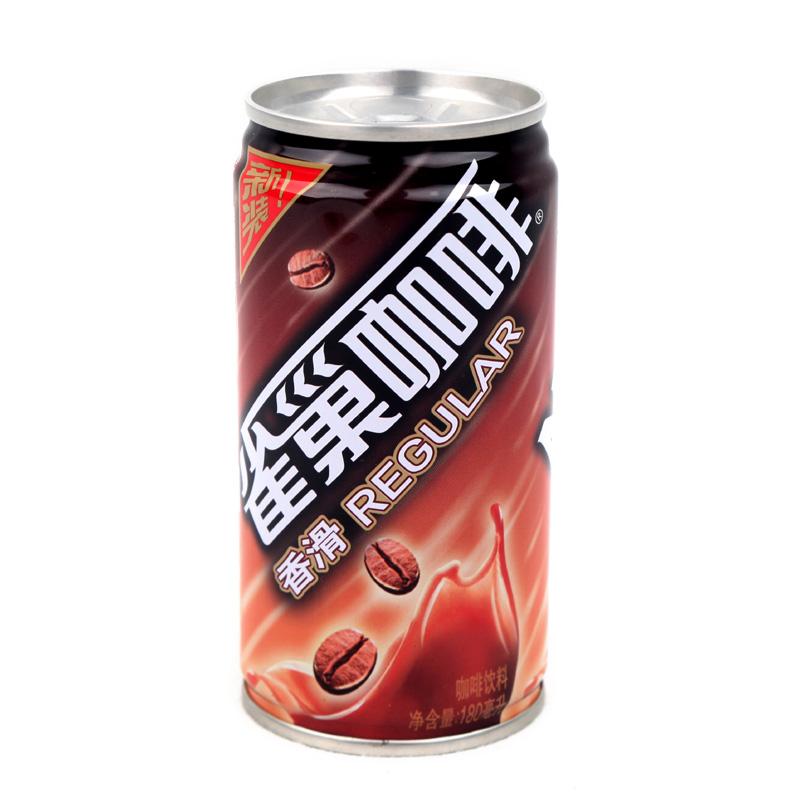
Despite its quality, most Yunnan coffee is still sold raw and exported—up to 80% according to media reports—while domestic cafés often use imported beans without disclosing their origin. Even in cosmopolitan Shanghai, only around 40% of coffee shops use Yunnan beans, and few tell customers. To change this, local companies are investing in processing and branding. Yunnan’s coffee businesses now have over 150,000 metric tons of primary processing capacity and more than 20,000 metric tons of advanced processing capability. Dehong-based Backstreet Coffee (later known as Yunnan Backstreet Coffee Co., Ltd.) is a leader: its instant coffee production reached 13,000 metric tons per year, making it China’s biggest such producer. In 2008, the company cut ties with Nestlé to focus on its own branded products, and by 2013, it became China’s first nationally recognized “Famous Trademark” in coffee.
What’s Next for Yunnan Coffee?
With China’s coffee consumption growing over 20% annually—far outpacing the global 3% rate—Yunnan is well-positioned to meet rising demand. Agricultural officials project the province’s coffee acreage could exceed 250,000 acres by 2020, producing 200,000 metric tons of green beans. Yunnan Backstreet Coffee plans to add 20,000 metric tons of instant coffee production by the end of 2016, aiming to become Asia’s largest such facility. “From a delicate white flower to a ripe coffee cherry, every step—from pulping to fermentation, drying, hulling, roasting, grinding, and brewing—takes time,” said Yunnan Backstreet’s chairman Xiong Xiangren. “Building a national brand is no different.”
Frequently Asked Questions
Where does most of China’s coffee come from?
Nearly all of China’s coffee—over 99%—is grown in Yunnan Province. The region has been cultivating coffee since 1892 and now produces more than 11,800 metric tons annually on over 180,000 acres.
What does Yunnan coffee taste like?
Yunnan coffee is known for a profile that is “strong but not bitter, fragrant but not sharp, with a hint of fruit acidity.” It is often compared favorably to Brazilian and Colombian coffees, with balanced flavors that appeal to specialty coffee drinkers.
Are there any specialty-grade Yunnan coffees?
Yes. In a 2014 competition judged by Ted Lingle, 18 out of 79 Yunnan coffee samples scored over 80 points, meeting the standard for specialty-grade coffee. This proves that Yunnan is capable of producing high-quality beans.
Why don’t more cafés use Yunnan coffee?
Most Yunnan coffee is still exported as raw beans. Even when domestic cafés use it, many do not disclose its origin. However, this is slowly changing as local roasters invest in processing, branding, and marketing.
Which regions in Yunnan produce the most coffee?
The top coffee-producing areas are Baoshan, Dehong, Pu’er, and Lincang. These four regions account for over 85% of the province’s total coffee cultivation and production.
Is Yunnan coffee exported?
Yes. Pu’er alone exports around 28,200 metric tons of coffee to more than 30 countries, including those in the Americas, Europe, and Asia. However, a large portion of Yunnan’s output is still sent overseas as raw material.
Recommended FrontStreet Beans for Exploring Yunnan Flavor
Start your Yunnan coffee journey with FrontStreet Coffee’s Yunnan Arabica, a washed-process single origin from the Baoshan region with notes of soft almond, milk chocolate, and a touch of plum acidity. For a deeper dive, try the 2013 Sun-Dried Typica, made from fully ripe red cherries and offering balanced acidity with flavors of dark berries, caramel, chocolate, and dried apricot, finishing with black tea notes. Or explore the Black Cocoa Blend, which combines Yunnan beans with Brazilian Sidamo for a nutty, chocolatey espresso experience ideal for milk drinks. All three showcase the unique terroir and craftsmanship of Yunnan-grown coffee. Freshly roasted within 5 days · Orders placed before 17:00 ship the same day · Next-day delivery across most of Guangdong Province.
FrontStreet Coffee is a long-established specialty coffee roaster in Guangzhou China, selling freshly roasted beans from its own farm in Yunnan as well as dozens of carefully selected single-origin beans from around the world for both pour-over and espresso. The products deliver consistently excellent quality and great value, with shipping within 24 hours. Guangzhou's FrontStreet Coffee shop is recommended by many coffee lovers, and the beans are now available online at the Tmall 。
Important Notice :
前街咖啡 FrontStreet Coffee has moved to new addredd:
FrontStreet Coffee Address: 315,Donghua East Road,GuangZhou
Tel:020 38364473