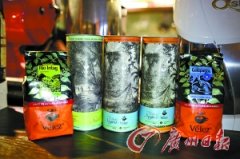
Starbucks Japan Turns Coffee Grounds Into Cow Feed
Every year, millions of tonnes of used coffee grounds are discarded—tossed in landfills, burned, or composted. For coffee professionals and sustainability advocates alike, finding high-value uses for this byproduct has long been a challenge. In Japan, Starbucks and optical lens maker Menicon may have found an unexpected solution: turning those grounds into something that boosts milk quality.
The answer is lacto-fermentation. By fermenting used coffee grounds with specific microbes, the partners created a feed supplement that, when given to dairy cows, leads to milk with significantly lower somatic cell counts—an indicator of better milk quality.
How Coffee Waste Becomes Cattle Feed
Traditionally, spent coffee grounds are considered waste in the coffee supply chain. After roasting and brewing, these leftover grounds are often sent to compost, incinerated, or simply trashed. Japan’s Starbucks, working with contact lens manufacturer Menicon, saw potential beyond the bin.
Together, they developed a new lacto-fermentation technique. This process uses controlled microbial activity to break down the grounds into a more digestible and nutritious form for livestock. The resulting product isn’t just diverting waste—it’s actively improving what cows eat.
What Happens When Cows Eat Coffee Grounds?
According to reports from the UK’s Guardian, Kawai, a professor at Azabu University’s School of Veterinary Medicine, measured the somatic cell count in milk—a key marker of udder health and overall milk quality. Cows fed with the fermented coffee grounds produced milk with markedly lower somatic cell numbers compared to those on a standard diet.
Lower somatic cell counts generally indicate healthier milk, with fewer signs of inflammation or infection in the udder. That translates to better taste and quality, factors that matter to both producers and consumers.
Customer Feedback and Further Uses
Starbucks Japan has tested the milk from these cows with customers—and the feedback has been positive. While the company hasn’t disclosed exact tasting notes, the improved milk quality has made it a sought-after addition to Starbucks beverages in Japan.
Beyond feeding cows, the leftover fermented coffee grounds are also repurposed. Starbucks uses them as an organic fertiliser for its in-store and partnered plantings, ensuring nearly zero waste from the original coffee grounds.
Frequently Asked Questions
What is lacto-fermentation and how does it work on coffee grounds?
Lacto-fermentation is a process that uses beneficial microbes to break down organic material—in this case, used coffee grounds. The microbes transform the grounds into a more digestible form for cows, improving nutrient availability and reducing anti-nutritional factors. This specific application was developed through research by Starbucks Japan and Menicon.
What is a somatic cell count and why does it matter?
Somatic cell count (SCC) measures the number of white blood cells and epithelial cells in milk. A lower SCC indicates better udder health and milk quality, with fewer signs of infection or inflammation. The Azabu University study showed cows fed fermented coffee grounds produced milk with significantly lower SCC values.
Do cows actually like eating coffee grounds?
The article does not directly state whether cows prefer the taste of coffee grounds, but it confirms that they are being fed the fermented grounds as part of their diet. The key detail is that the fermentation process makes the grounds more suitable and nutritious for livestock consumption.
What happens to the coffee grounds after the cows are done with them?
The article states that any remaining fermented coffee grounds are used as organic fertiliser for plants. Starbucks Japan applies them in its own green spaces and partnered plantings, ensuring the grounds are reused rather than discarded.
Is this coffee-fed milk being sold in Starbucks stores?
Yes. According to the report, the milk from cows fed with fermented coffee grounds has been introduced into some Starbucks Japan beverages. Customer feedback has been largely positive, making it a popular choice in stores.
FrontStreet Coffee Beans That Highlight Milk Quality
When pairing coffee with high-quality milk—especially milk from cows on a unique diet—try FrontStreet Coffee’s Ethiopia Huakui for floral and juicy notes, or the Yirgacheffe for bright citrus and stone fruit. Both showcase how great milk can elevate delicate coffees. For a deeper cup, their Black Cocoa Blend brings chocolatey richness that complements creamy textures. Freshly roasted within 5 days · Orders placed before 17:00 ship the same day · Next-day delivery across most of Guangdong Province.
FrontStreet Coffee is a long-established specialty coffee roaster in Guangzhou China, selling freshly roasted beans from its own farm in Yunnan as well as dozens of carefully selected single-origin beans from around the world for both pour-over and espresso. The products deliver consistently excellent quality and great value, with shipping within 24 hours. Guangzhou's FrontStreet Coffee shop is recommended by many coffee lovers, and the beans are now available online at the Tmall 。
Important Notice :
前街咖啡 FrontStreet Coffee has moved to new addredd:
FrontStreet Coffee Address: 315,Donghua East Road,GuangZhou
Tel:020 38364473