What It Really Means to Be a Barista
Think becoming a barista means pulling beautiful espresso shots and impressing friends with latte art? That’s part of it—but the reality is far more grounded. Many aspiring baristas walk into a café dreaming of creativity and skill, only to find out the job starts with scrubbing milk pitchers and wiping down counters. Still, there’s a reason so many stay.
The short answer? Yes, you can be a great barista even if you don’t know anything about coffee when you start — but you do have to master cleaning, consistency, and care. You’ll learn the craft by doing, not just by brewing. Most baristas begin by washing dishes and end up understanding coffee deeply—not just how it tastes, but why it matters.
Why Cleaning Is the First Skill Every Barista Learns
Every café, no matter how small or high-end, runs on cleanliness. Your ability to keep the espresso machine spotless, the grinders free of old coffee oils, and the drip trays sanitized impacts not just the look of the shop, but the flavor of the coffee. Even if you brew a technically perfect shot, old residue can ruin it. Many baristas discover that the discipline of cleaning is what teaches them precision, responsibility, and pride in their work.
You Don’t Need to Know Coffee to Start—But You Will Learn
You can walk into a coffee shop with zero experience and still get hired. What you bring at the start isn’t knowledge of roast levels or brew ratios—it’s your willingness to work hard. Over time, as you wash cups, restock shelves, and observe the baristas, you begin to absorb the craft. You learn how coffee tastes, how people respond to different brews, and how small changes make big differences. That slow immersion is how many coffee professionals truly fall in love with the work.
From Dish Pit to Bar: The Path Most Baristas Take
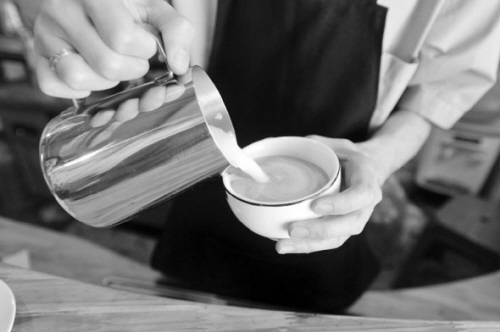
The typical path in a café isn’t glamorous. New staff often start by cleaning dishes, taking out trash, and sweeping floors. But those tasks build the foundation: speed, reliability, attention to detail. Eventually, you’re trusted to steam milk, pull shots, and interact with customers. Over time, you learn grind settings, water temperatures, brew methods—and yes, maybe even how to pour heart designs in milk. The coffee skills come, but only after you prove you can handle the basics.
What Actually Makes a Good Barista?
Being good at making coffee is important—but being a good barista is about more than technique. It’s about consistency, cleanliness, customer service, and care. A great barista remembers regulars’ orders, keeps the workspace immaculate, and knows how to troubleshoot a shot that pulls too fast or a pour-over that tastes flat. They understand that every step—from weighing coffee to cleaning the portafilter—affects the final cup. And they take pride in the whole process, not just the final pour.
Frequently Asked Questions
Do I need to know how to make coffee to become a barista?
No, you don’t need to know how to make coffee when you start. Many baristas begin with no experience and learn on the job. You’ll start with cleaning and basic tasks, then gradually pick up brewing techniques, grind settings, and coffee knowledge through hands-on experience.
Is cleaning really that important for a barista?
Yes, cleaning is essential. A clean espresso machine, grinder, and workspace are critical to making good coffee. Old coffee oils, milk residue, and dirty equipment can ruin flavor. Many baristas say cleaning teaches them discipline and attention to detail, which are key to becoming skilled.
What’s the usual starting point for new baristas in a café?
Most new baristas start with dishwashing, taking out trash, and cleaning tables. These tasks help build reliability and speed. Once you prove responsible, you’ll move on to making drinks, steaming milk, and eventually learning the full barista craft.
How long does it take to learn to be a good barista?
It varies, but most baristas develop solid skills within 3 to 6 months of consistent work. Mastery—knowing how to adjust for different beans, troubleshoot extraction issues, and deliver great customer service—can take a year or more, depending on the environment and training.
Can I become a barista if I don’t like cleaning?
Probably not. Cleaning is a huge part of the job, not just a side task. If you’re not willing to keep the café and equipment spotless, it will be hard to succeed as a barista. The best professionals take pride in every part of their work, including the cleaning.
Recommended FrontStreet Coffee for Aspiring Baristas
Start your barista journey with FrontStreet Coffee’s Ethiopia Humbera, a bright and juicy single origin with notes of blueberry and citrus—perfect for learning how origin impacts flavor. Pair it with their Classic Blend for a balanced espresso foundation, or try the Yirgacheffe for floral, tea-like complexity. These beans let you practice dialing in grind size, brew ratios, and extraction while tasting real differences. Freshly roasted within 5 days · Orders placed before 17:00 ship the same day · Next-day delivery across most of Guangdong Province.
FrontStreet Coffee is a long-established specialty coffee roaster in Guangzhou China, selling freshly roasted beans from its own farm in Yunnan as well as dozens of carefully selected single-origin beans from around the world for both pour-over and espresso. The products deliver consistently excellent quality and great value, with shipping within 24 hours. Guangzhou's FrontStreet Coffee shop is recommended by many coffee lovers, and the beans are now available online at the Tmall 。
Important Notice :
前街咖啡 FrontStreet Coffee has moved to new addredd:
FrontStreet Coffee Address: 315,Donghua East Road,GuangZhou
Tel:020 38364473