What’s Really Going On in Your Favorite Coffee Shop?
You’ve ordered your usual flat white, found a seat by the window, and settled in for some work or people-watching. But have you ever wondered why some cafés feel cozy while others make you want to leave after 20 minutes? Or why certain tables stay empty while others fill up instantly? The truth is, your coffee shop visit is shaped by far more than just the beans in your cup.
From charged-for air purification to strategically uncomfortable chairs, cafés use design, pricing, and layout tricks to influence how long you stay, how much you spend, and even whether you’ll take a selfie. Here’s what’s really going on behind the latte art.
The Air You Breathe Might Cost Extra
At a now-famous Hangzhou café on Wulin Road, customers pay an extra ¥1 per person for "air purification." The owner installed four purifiers in the smoking section and two in non-smoking areas, keeping the air noticeably fresh—even eliminating most smoke odors. While controversial, the move highlights how far some shops go to differentiate themselves through hardware and ambiance.
Guests receive small cards reminding them of the fee, and the café enforces strict cleanliness, reportedly wiping the front door 12 times daily. The high-backed chairs and elevated table heights further enhance the premium feel. Whether you see it as gimmicky or innovative, it’s a bold example of monetizing intangibles.
Why Some Chairs Make You Want to Leave Faster
Cafés like Starbucks and ZOO COFFEE use furniture strategically to manage customer turnover. Starbucks favors wooden chairs, high stools, and wall-side tables—none designed for long stays. The chain serves drinks in paper cups (not ceramic), discouraging lingering. In peak times, its air conditioning runs colder than average, subtly nudging patrons to leave sooner.
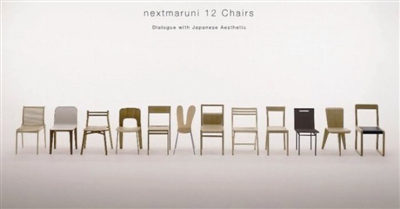
ZOO COFFEE takes it further with awkwardly low tables—just 13 cm (5 inches) above the floor—that force laptop users into uncomfortable, hunched positions. Most tables are tiny, leaving no room for a drink and a notebook. The steel high-top chairs add to the discomfort. These choices discourage remote work, ensuring faster table turnover.
How Table Layouts Boost Socializing (or Sales)
Fantasy Coffee replaces standard four-person tables with modular seating—singles, doubles, and six-seaters—that can be rearranged for groups. Its high-back chairs create semi-private booths, ideal for conversations. The owner, Zhu Ze, installed custom curtains for added privacy, stating, “We want guests to feel secure and stay longer.”
Meanwhile, cafés like Mao Mao Coffee leverage long communal tables to spark organic social interactions. Surveys show 82% of Chinese consumers view cafés as top social spaces, with 43% of women spending over an hour chatting. Strategic seating arrangements encourage mingling, turning coffee shops into de facto community hubs.
The Selfie Effect: Designing for Instagram
Cafés such as ZOO COFFEE and Mao Mao Coffee feature playful decor—stuffed animals, neon signs, and backlit walls—that attract customers seeking photogenic backdrops. One ZOO COFFEE patron noted, “The cartoon decorations are irresistible for selfies.” These elements boost social media visibility, driving organic marketing.

Starbucks, with its iconic green mermaid logo and consistent interior design, remains a top choice for coffee shop selfies. Customers often joke, “If I don’t post a photo here, did I even go?” The café’s lighting and aesthetic are engineered to look good in photos, making it a favorite for influencers and casual visitors alike.
When Cafés Sell More Than Coffee
Fantasy Coffee monetizes its space beyond beverages, renting its third floor for private events like birthday parties and wedding proposals. The owner’s team handles event planning and decoration, creating an additional revenue stream. Similarly, Mao Mao Coffee and ZOO COFFEE earn income by leasing their cafes as backdrops for commercial photography, charging fees to e-commerce brands.
In Moscow, a café experiment charged patrons by the minute (₽1.5 per minute) instead of for food and drinks, offering unlimited access to beverages and snacks. While not common in China, such models reflect a growing trend of diversifying income beyond traditional coffee sales.
Frequently Asked Questions
Why do some cafés use uncomfortable chairs?

Cafés like Starbucks and ZOO COFFEE intentionally use wooden chairs, high stools, and low tables to discourage long stays. Uncomfortable seating ensures quicker customer turnover, freeing up space for new patrons and increasing overall sales volume during peak hours.
Do cafés really charge extra for things like air purification?
Yes. A Hangzhou café famously charged ¥1 per person for "air purification," using multiple air purifiers in smoking and non-smoking zones. While unusual, such fees are part of broader strategies to differentiate the café experience and justify premium pricing.
How do cafés encourage people to socialize?
Many cafés use modular or long communal tables to facilitate group seating and spontaneous interactions. Fantasy Coffee’s flexible seating arrangement and Mao Mao Coffee’s spacious designs are optimized to boost social engagement, making the café a natural meeting spot.
Why do some cafés have weirdly low or small tables?

Some cafés, like ZOO COFFEE, use intentionally awkward tables (as low as 13 cm high) and tiny surfaces to discourage laptop use and prolonged stays. This design choice prioritizes quick customer turnover over long-term occupancy.
Can you really rent out a café for private events?
Yes. Fantasy Coffee rents its third floor for events such as children’s parties and weddings, offering full event planning services. This additional revenue stream supplements coffee sales and builds community ties.
Do cafés make money from social media photos?
Indirectly, yes. Cafés with Instagram-friendly decor—like Mao Mao Coffee’s cartoon displays or Starbucks’ consistent aesthetic—attract customers who post photos, providing free promotion. Some cafés even design spaces specifically to enhance their photogenic appeal.
Recommended FrontStreet Beans for Café Atmosphere
For cafés aiming to elevate their coffee game alongside their ambiance, try FrontStreet’s Ethiopia Yirgacheffe for its bright citrus and floral notes, perfect for pour-overs in stylish settings. The Classic Blend offers balanced chocolate and nuts, ideal for espresso-based drinks that pair well with conversation. Both beans highlight FrontStreet’s commitment to quality and consistency, ensuring your café’s coffee leaves a lasting impression on customers. Freshly roasted within 5 days · Orders placed before 17:00 ship the same day · Next-day delivery across most of Guangdong Province.
FrontStreet Coffee is a long-established specialty coffee roaster in Guangzhou China, selling freshly roasted beans from its own farm in Yunnan as well as dozens of carefully selected single-origin beans from around the world for both pour-over and espresso. The products deliver consistently excellent quality and great value, with shipping within 24 hours. Guangzhou's FrontStreet Coffee shop is recommended by many coffee lovers, and the beans are now available online at the Tmall 。
Important Notice :
前街咖啡 FrontStreet Coffee has moved to new addredd:
FrontStreet Coffee Address: 315,Donghua East Road,GuangZhou
Tel:020 38364473