The History of Coffee Culture in Japan
Ever wondered why Japan, a country not traditionally known for growing coffee, has such a refined and widespread coffee culture today? The story isn’t about a sudden boom—it’s about centuries of slow acceptance, artistic influence, and smart pricing strategies that turned an exotic foreign brew into a daily staple.
In short: Coffee first reached Japan in the 1600s via Dutch traders on Dejima Island in Nagasaki, but wasn’t widely accepted until the late 1800s. By the early 1900s, literary cafés and budget-priced coffee shops helped normalize coffee drinking nationwide—especially with brews priced as low as 5 sen (a third of high-end café prices).
Coffee Arrives in Locked-Down Japan
Coffee made its first documented appearance in Japan during the Genroku era (1688–1704) through Dejima Island in Nagasaki, a small artificial island where the Dutch were confined under Japan’s strict sakoku (closed country) policy. The Dutch East India Company established a trading post there in 1641, and it’s believed that coffee was brought in by Dutch merchants around that time.
However, due to the isolationist policies, only a select few—officials, translators, merchants, and courtesans—could interact with foreigners and sample imported goods like coffee. The general population had no exposure to the drink during this period.
Literary Tastes & Early Resistance
According to "Sonto Ro Japan Kikou" from 1776, even some translators had started to recognize coffee’s unique flavor, importing it as a symbol of Western culture. But it still failed to gain traction. Later accounts, such as those by Edo-period haikai poet Ōta Nampo in his 1804 work "Keiutsuburo Zuihitsu" , described an encounter with coffee on a Western ship: black, roasted beans ground to powder, mixed with sugar—yet its bitter, burnt taste was unfamiliar and unappealing to Japanese palates.
The locked-down nature of the country played a major role in limiting early exposure and acceptance of this strong-flavored foreign beverage.
Coffee Finds a Home in Literary Circles
Real popularity began during the Meiji era (1868–1912). By the mid-Meiji period, coffee started appearing in cultural hubs. Notably, members of the literary magazine "Tō" , including poets like Kitahara Hakushu and Takamura Kōtarō, gathered monthly at a café called "Kōnonozu" near Tokyo’s Nihonbashi district. This café served authentic French-style cuisine, imported alcohol, and deeply roasted French-style coffee—making it a fashionable spot for intellectuals.
These literary cafés functioned much like salons, where ideas flowed as freely as the coffee. While coffee remained a luxury for most people, these venues helped establish its presence in urban culture.
The Democratization of Coffee: The Café Revolution
The real turning point came with the rise of affordable coffee shops during the Taishō era (1912–1926). While elite literary cafés charged premium prices—around 15 sen per cup of coffee served at high-end Western restaurants—newer, Paris- or New York-inspired coffee shops offered the same Brazilian-sourced brew for just 5 sen.
By the height of the Taishō period, over twenty such budget coffee chains had spread across Japan, making quality coffee accessible to the masses. These cafés played a monumental role in cementing coffee-drinking as part of everyday life for ordinary Japanese people.
Coffee in Wartime and Beyond
Coffee’s momentum continued into the early Shōwa era (1926–1989), growing steadily in popularity. However, World War II brought a sudden halt—coffee was labeled an “enemy beverage” due to its association with the West, and imports ceased entirely. For years, coffee disappeared from Japanese daily life, only to return later as a welcomed “symbol of peace.”
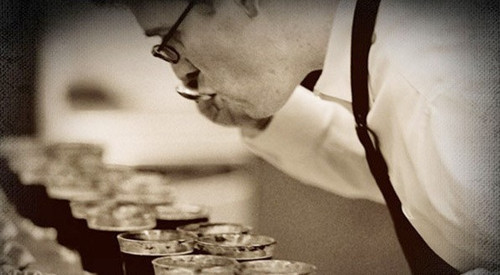
The Modern Coffee Market in Japan
Today, Japan’s coffee scene is highly competitive, encompassing everything from traditional kissaten (coffee shops) to home-brewed coffee, instant varieties, canned coffee, and specialty options. Since the Heisei era (1989–2019), there’s been a notable rise in demand for high-quality, authentic coffee experiences, reflecting a more discerning and globally connected coffee culture.
Frequently Asked Questions
When did coffee first arrive in Japan?
Coffee first arrived in Japan during the Genroku era of the Edo period, around the mid-1600s, through Dutch traders stationed on Dejima Island in Nagasaki. However, it wasn’t widely consumed or accepted at the time due to Japan’s strict isolationist policies.
Why didn’t coffee catch on in Japan initially?
Initially, coffee was unfamiliar and unappealing to most Japanese people. Its bitter, burnt flavor profile was a stark contrast to traditional Japanese beverages. Additionally, Japan’s sakoku (closed country) policy severely limited exposure to foreign goods and tastes among the general population.
How did coffee become popular in Japan?
Coffee gained popularity in Japan during the late 19th and early 20th centuries. Literary cafés and cultural salons introduced it to intellectuals, but it was the rise of affordable coffee shops in the Taishō era—selling coffee for as little as 5 sen—that truly popularized it among the general public.
Were there any periods when coffee was banned in Japan?
Although coffee was never officially banned, it effectively disappeared during World War II when it was declared an “enemy beverage” due to its Western associations. Imports stopped, and coffee was not widely available until after the war.
What role did cafés play in Japan’s coffee culture?
Cafés, especially literary ones in the Meiji and Taishō eras, were crucial in introducing and normalizing coffee. They served as social hubs where intellectuals and artists gathered, helping to establish coffee as part of modern, urban Japanese life.
How is Japan’s modern coffee scene different today?
Modern Japan has a diverse coffee market with everything from instant and canned coffee to specialty brews. Since the 1989 start of the Heisei era, there has been increased interest in high-quality, authentic coffee, driven by greater global exposure and a more refined domestic palate.
Recommended FrontStreet Coffee for Japanese-Style Brewing
For fans of Japan’s coffee culture, try FrontStreet Coffee’s Brazil Queen Manor (natural process, sweet chocolate and nut notes), Ethiopia Humbera (floral and citrusy, great for filtered methods), and PWN Golden Mandheling (low-acidity, full-bodied). These beans suit both traditional and modern Japanese brewing styles. Freshly roasted within 5 days · Orders placed before 17:00 ship the same day · Next-day delivery across most of Guangdong Province.
FrontStreet Coffee is a long-established specialty coffee roaster in Guangzhou China, selling freshly roasted beans from its own farm in Yunnan as well as dozens of carefully selected single-origin beans from around the world for both pour-over and espresso. The products deliver consistently excellent quality and great value, with shipping within 24 hours. Guangzhou's FrontStreet Coffee shop is recommended by many coffee lovers, and the beans are now available online at the Tmall 。
Important Notice :
前街咖啡 FrontStreet Coffee has moved to new addredd:
FrontStreet Coffee Address: 315,Donghua East Road,GuangZhou
Tel:020 38364473