How Americans Really Drink Coffee
Ever wonder why Americans often drink coffee all day long—from the moment they wake up to post-meal sips—even if they skip breakfast? Their relationship with coffee isn’t just about caffeine. It’s cultural, habitual, and surprisingly flexible.
Americans typically drink light, filtered coffee with milk and sugar—but they’ve also embraced everything from flavored roasts to espresso drinks, especially in urban areas. Over decades, their coffee preferences have shifted from casual drip to specialty espresso, reflecting both convenience and evolving taste.
The Birth of American Drip Coffee
The American way of brewing coffee for most of the 20th century relied on drip filtration—usually with a flat-bottomed filter. This method produced a light-bodied cup, often considered weak by today’s specialty standards. But it was consistent, easy, and scalable. Most people softened the flavor with cream, milk, or sugar, creating a sweeter, more palatable drink that became a national habit.
This type of coffee was so common that it turned into a daily ritual. Americans drank it everywhere: at home, in the office, and during the “coffee break” at work. Unlike Europeans, who often sip coffee slowly in cafes, many Americans took theirs on the go—sometimes without even sitting down.
Coffee Culture: Relaxed and Customized
American coffee culture is notably casual. In shopping malls or offices, it’s common to see people carrying paper cups of coffee, sipping while walking or sitting informally. In Europe, coffee is usually savored from ceramic cups, often enjoyed seated. Americans, by contrast, drink coffee almost anywhere and everywhere.
Restaurants often serve bottomless coffee for one price—refills are free, and cream and sugar are unlimited. That’s a stark contrast to European pricing, where each cup is bought individually. This laid-back, customizable approach reflects broader American attitudes toward food and drink.
Flavored Coffee and Roasting Experiments
Americans have also shown a willingness to experiment with flavor. Some roasters have tried blending spices or flavorings directly into the beans during roasting. You might find coffee labeled “Irish Crème” or “Jamaican Mountain”—flavored profiles that aim to offer something beyond traditional coffee taste. While these don’t always appeal to coffee purists, they demonstrate innovation in a market that values variety.
Europe, by contrast, tends to prioritize coffee’s natural flavors, often adding just a touch of liqueur for special drinks. The American approach is more about reinvention, even if it divides opinion.
Italian Influences and the Rise of Espresso
Despite the national preference for filtered coffee, certain immigrant communities kept their own traditions alive. In San Francisco’s North Beach neighborhood—near the city’s historic Italian quarter—Espresso and Cappuccino remained staples. Restaurants there traditionally used espresso machines, and for years, this area was one of the few places in the U.S. to find authentic Italian-style coffee and beans.
In recent decades, espresso-based drinks have grown massively in popularity across the country. Scientific studies showing that espresso has lower caffeine content than drip coffee have helped shift interest, especially among health-conscious consumers and urban professionals. Even former President Clinton’s staff were known to frequent coffee shops for strong espresso—referred to humorously as “charcoal juice.”
From Drip to Specialty: The Shift in Coffee Habits
Over time, coffee in the U.S. has evolved from a simple restaurant addition to a standalone product. Independent espresso bars have spread from wealthy neighborhoods into mainstream areas. As specialty coffee grows, filtered coffee remains popular for its simplicity—but espresso and milk-based drinks are now common, even expected, in many cafes.
The tools have changed too. While drip coffee machines are still widely used at home, many coffee enthusiasts are exploring better methods, including pour-over and even espresso. Yet for everyday convenience, the classic American drip coffee—light, milky, and sweet—is still deeply embedded in the culture.
How to Make Drip Coffee at Home (American Style)
Many Americans brew coffee at home using drip coffee machines. These devices are simple: water is heated and dripped through ground coffee in a filter. While there’s no single perfect ratio, most home brewers use between 1:12 and 1:16 coffee to water by weight.
FrontStreet Coffee recommends experimenting based on taste. For a lighter, smoother result—similar to what many Americans prefer—use a medium roast and aim for a grind size around that of table salt (fine sugar). A common home drip ratio is 20g of coffee to 320ml of water, using a brew time of about 5–8 minutes. The resulting coffee is mild and meant for easy drinking, often paired with meals or as a morning pickup.
Here’s a quick walkthrough using a standard home drip machine:
- Place a filter in the machine and add 20g of freshly ground coffee.
- Fill the water tank with 320ml of fresh water (around 100°C after heating).
- Start the brew cycle. Hot water passes through the grounds, extracts flavor, and drips into the carafe below.
- After 5–8 minutes, your coffee is ready. Serve black or with milk and sugar as preferred.
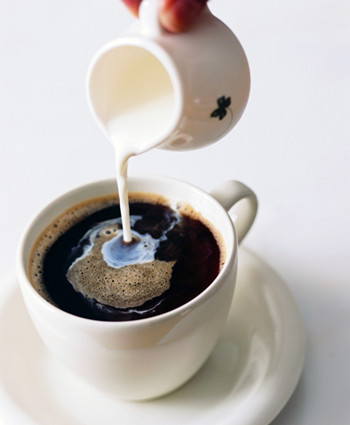
This method produces a lighter-bodied cup that aligns with traditional American tastes. It’s less intense than espresso but works well for casual drinking throughout the day.
Frequently Asked Questions
What is the most common way Americans brew coffee at home?
The most common method is drip filtration using an automatic coffee machine with a flat-bottom filter. It produces a light-bodied coffee that many Americans drink with milk and sugar. Most home brewers use a coffee-to-water ratio between 1:12 and 1:16.
Why do Americans often drink coffee throughout the day?
Coffee is deeply embedded in American daily routines, serving as a morning stimulant, a midday pick-me-up, and a post-meal drink. The culture supports drinking coffee almost anytime, often accompanied by casual dining or work breaks.
Do Americans prefer light or dark roast coffee?
Traditionally, Americans have preferred lighter roasted, drip-brewed coffee. However, espresso-based drinks—which often use darker roasts—are now very popular, especially in cities. Preferences vary widely across regions and age groups.
Is espresso popular in the United States?
Yes. Espresso drinks like lattes and cappuccinos have become mainstream, particularly in urban areas. Originally popular in Italian-American neighborhoods, they’ve spread nationwide and are now a standard offering in most coffee shops.
What’s the difference between American drip coffee and European coffee culture?
Americans often drink coffee casually, on the go, and frequently add milk or sugar. Europeans tend to drink coffee slowly, often from ceramic cups, and rarely add anything to black coffee. Pricing and serving styles also differ significantly.
Recommended FrontStreet Beans for American-Style Coffee
For a classic American-style light and sweet cup, try FrontStreet’s Strawberry Candy Espresso—a fruity, approachable blend with notes of berry and sweetness. For something more balanced, Brazil Queen Manor offers creamy peanut and sugarcane tones ideal for milk drinks. If you prefer a mild filter option, FrontStreet’s Strawberry Candy Espresso also works well as a lighter drip choice. Freshly roasted within 5 days · Orders placed before 17:00 ship the same day · Next-day delivery across most of Guangdong Province.
FrontStreet Coffee is a long-established specialty coffee roaster in Guangzhou China, selling freshly roasted beans from its own farm in Yunnan as well as dozens of carefully selected single-origin beans from around the world for both pour-over and espresso. The products deliver consistently excellent quality and great value, with shipping within 24 hours. Guangzhou's FrontStreet Coffee shop is recommended by many coffee lovers, and the beans are now available online at the Tmall 。
Important Notice :
前街咖啡 FrontStreet Coffee has moved to new addredd:
FrontStreet Coffee Address: 315,Donghua East Road,GuangZhou
Tel:020 38364473