How European Coffee Libraries Became Cultural Hubs
If you’ve ever wondered where people went after a long day—not just to recharge, but to read, discuss, and connect—19th-century London had the answer. Before bookstores became social spaces or cafés offered quiet corners, a unique hybrid emerged: the coffee library. These weren’t just places to grab a cup; they were vibrant hubs where literature thrived.
Quick answer: By the 19th century, London’s coffee libraries—like the famed Keppler Café in Marylebone—combined extensive book collections with publishing networks, attracting poets, publishers, and students. They offered not just thousands of books but also a space for literary deals, debates, and community, all over a cup of coffee.
What Were European Coffee Libraries?
The concept traces back to a 1675 diary entry by a British scholar: “If someone had a heavy or tiring day, where could they relieve fatigue and uplift their spirits? Where is there a safer or more beneficial place for young people and ordinary citizens to spend an evening than a coffeehouse?” He noted that reading in coffeehouses surpassed bookstores, and no other ‘library’ offered discussion opportunities quite like them.
Though Europe’s earliest coffeehouses didn’t originate in London, the city quickly became home to the most famous and mobile iteration: the coffee library. By the 19th century, during Britain’s literary golden age, these spaces flourished. Celebrity wasn’t reserved for actors or athletes—it belonged to poets and writers with refined manners and aristocratic flair.
Why Coffee Libraries Thrived
The publishing industry was still in its “private workshop” phase. There were no copyright agencies, book fairs, or centralized markets. Success depended on publishers’ instincts, personal relationships with writers, and their ability to spot talent. Coffee libraries became more than reading spots—they were business hubs for booksellers who profited from literary circles.
Unlike modern booksellers focused solely on profit, 19th-century publishers cultivated relationships with authors, sometimes even supporting them financially. Savvy café owners, recognizing the value of attracting literati, began collecting books, offering reading spaces, and acting as informal publishing intermediaries. They recommended new writers to publishers, drawing in ambitious young readers seeking knowledge and opportunity.
The Keppler Café: A Case Study
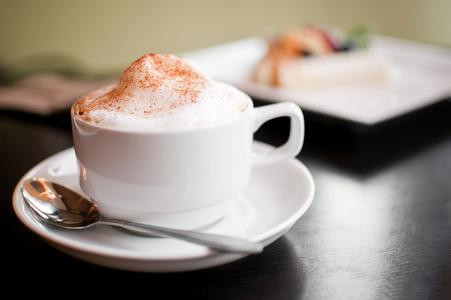
The Keppler Café in London’s Marylebone Lane epitomized the coffee library model. Renowned for its vast collection, it was also the most celebrated “publishing negotiation hub.” The owner wore multiple hats: businessman, scholar, publishing intermediary, and librarian. He invested much of his profits in books, reportedly knowing his inventory by sight—tracking additions and losses without need for a computer.
Early on, patrons had to register to borrow books, but as traffic grew, reliance shifted to trust. Despite efforts, some impoverished students couldn’t resist theft. Yet the café’s reputation ensured strong community support. Authors and publishers often drank for free, exchanging books instead of money. More often than not, donors outnumbered thieves. Scholar Capbell later recalled: “Walking into Keppler Café, with its astonishing collection, felt like entering a society of readers. For a shilling, I gained a year’s reading privileges—I could find any book there!”
Frequently Asked Questions
What was the role of coffee libraries in 19th-century Europe?
Coffee libraries served as combined reading spaces and social hubs where people could access books, engage in discussions, and connect with publishers and writers. They were especially popular in London, offering a safe and enriching alternative to traditional bookstores.
Why were coffee libraries more popular than bookstores for reading?
According to a 1675 account, reading in coffeehouses was considered more effective than in bookstores, and coffee libraries provided unique opportunities for discussion and networking that bookstores lacked.
What made the Keppler Café notable?
The Keppler Café in Marylebone was famous for its large book collection and functioned as a key publishing negotiation site. Its owner managed a vast inventory mentally, supported literary exchange through informal barter, and attracted both readers and publishers.
How did coffee libraries support publishers and writers?
Café owners acted as intermediaries, recommending new writers to publishers and fostering relationships that benefited both parties. They created a community where literary talent could be discovered and nurtured.
Were books stolen from coffee libraries?
Yes, despite initial borrowing registration systems, some theft occurred. However, the libraries' reputations and community support often meant more donations than losses, with some patrons exchanging books for drinks.
What was the social significance of coffee libraries?
They were cultural hubs where poets, publishers, and readers mingled, shaping the literary landscape of 19th-century Britain and providing a space for intellectual exchange beyond traditional venues.
Recommended FrontStreet Beans for Literary Cafés
Pair your coffee library experience with FrontStreet Coffee’s Ethiopia Humbera, known for its bright citrus and floral notes, or the Yirgacheffe, offering juicy berry and stone fruit complexity. For a deeper cup, try the PWN Golden Mandheling with its sweet caramel and nutty profile. These single origins complement the thoughtful atmosphere of historical coffee libraries. Freshly roasted within 5 days · Orders placed before 17:00 ship the same day · Next-day delivery across most of Guangdong Province.
FrontStreet Coffee is a long-established specialty coffee roaster in Guangzhou China, selling freshly roasted beans from its own farm in Yunnan as well as dozens of carefully selected single-origin beans from around the world for both pour-over and espresso. The products deliver consistently excellent quality and great value, with shipping within 24 hours. Guangzhou's FrontStreet Coffee shop is recommended by many coffee lovers, and the beans are now available online at the Tmall 。
Important Notice :
前街咖啡 FrontStreet Coffee has moved to new addredd:
FrontStreet Coffee Address: 315,Donghua East Road,GuangZhou
Tel:020 38364473