10 Surprising Facts About Starbucks You Didn’t Know
Ever wondered why your "tall" Starbucks drink isn’t small, who came up with pumpkin spice lattes, or how the chain’s iconic siren logo got tamed? If you’ve ever sipped a venti and thought, "There’s more to this story," you’re right. Starbucks is full of odd origins, rebrands, and forgotten experiments that shaped what we now know as global coffee culture.
Here are ten concrete, lesser-known facts about Starbucks—its founders, branding choices, menu experiments, and even a failed attempt at a coast-to-coast coffee pipeline.
The Founders: No MBAs, Just Coffee Dreams
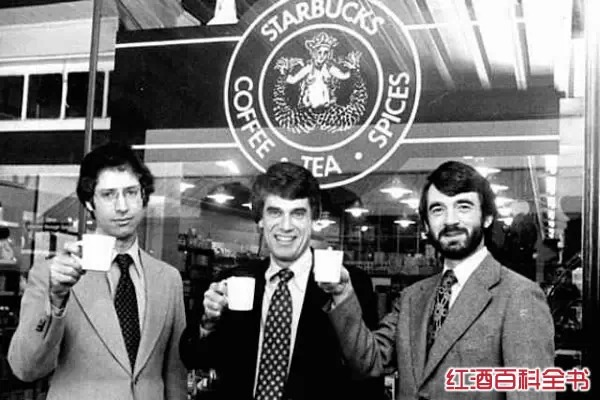
Starbucks was founded in 1971 by three men without business degrees: Gordon Bowker (a writer), Zev Siegl (a history teacher), and Jerry Baldwin (an English teacher). Their goal? To bring high-quality coffee beans to Seattle. They opened the first Starbucks location at Pike Place Market. Howard Schultz joined later in the 1980s and transformed the company’s strategy—but the original trio laid the foundation.
Why "Starbucks"? Blame Captain Ahab’s First Mate
The name Starbucks comes from Herman Melville’s novel Moby-Dick. Specifically, it’s inspired by the first mate Starbuck—a calm, coffee-drinking character. The founders wanted a name that signaled sophistication and intellect, appealing to a cultured, urban audience rather than the average coffee drinker. Melville’s literary prestige helped shape the brand’s early identity.
The Logo: From Nude Siren to Family-Friendly

The original Starbucks logo featured a topless, double-tailed siren based on a 16th-century Scandinavian woodcut. Her breasts and fish tails were fully visible. By 1987, her chest was covered with hair, and by 1992, the logo had softened further into the PG-rated version we know today. The evolution reflects Starbucks’ shift toward a mainstream, family-friendly image.
Tall, Grande, Venti: Made-Up Words That Stuck
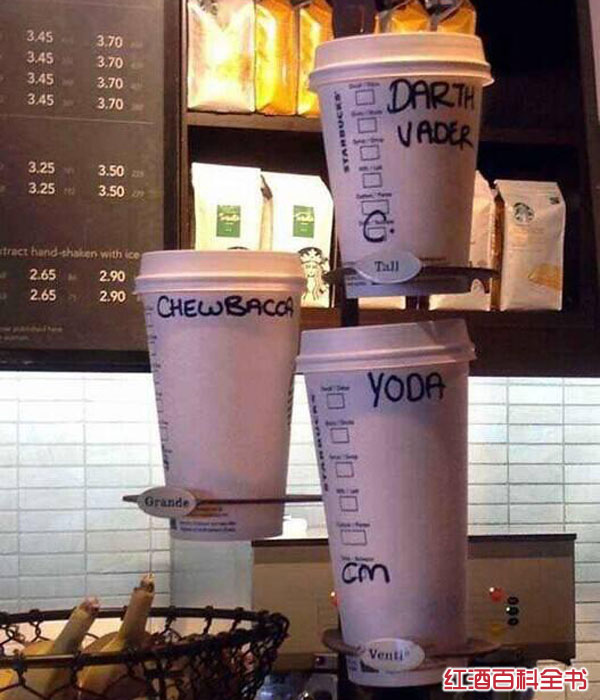
Starbucks’ cup sizes—tall (small), grande (medium), and venti (large)—aren’t Italian for size categories. They were coined by Howard Schultz and his then-partner Dawn Pinaud during a casual brainstorm in a meeting room. There was no deeper meaning; the names just stuck. These terms have since become synonymous with the brand’s in-store ordering experience.

The Great Coffee Pipeline Hoax
In 1996, National Public Radio joked on April Fools’ Day that Starbucks planned to build a coast-to-coast pipeline to transport freshly roasted coffee beans. Many listeners believed it—and some even asked baristas about it. The prank highlighted just how seriously people take their Starbucks coffee logistics.
Pumpkin Spice Latte: A Stanford Basketball Player’s Brainchild
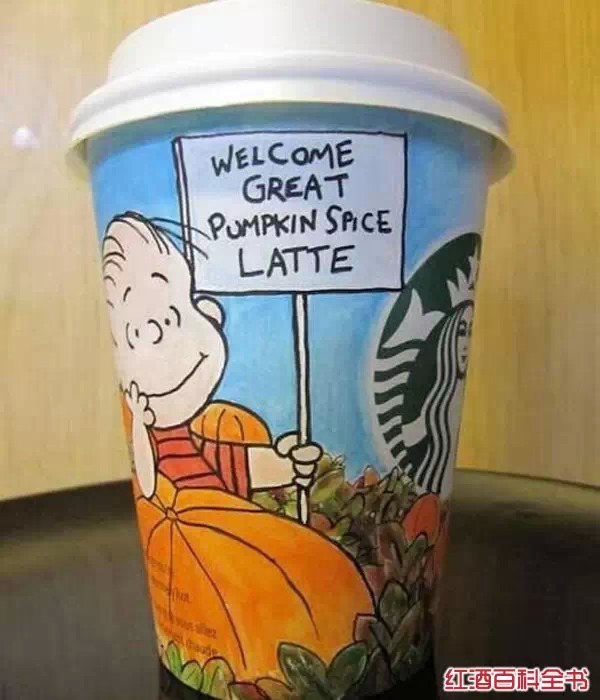
The Pumpkin Spice Latte (PSL) was conceived by Peter Dukes, a former Stanford basketball player and MBA graduate who worked at Starbucks. In 2001, tasked with creating a new fall espresso drink, he fought for his pumpkin-flavored idea after many others were rejected. His persistence paid off, and the PSL became a cultural phenomenon.
Hear Music: Starbucks’ Record Label with Big Names
In 2007, Starbucks partnered with Concord Music Group to launch Hear Music, a record label. The label quickly signed major artists like Paul McCartney, James Taylor, and Joni Mitchell. This venture reflected Starbucks’ ambition to position itself not just as a coffee retailer but as a lifestyle brand with cultural clout.

Secret Test Cafes: 15th Avenue & Roy Street
During a rough patch, Starbucks experimented with two disguised cafes in Seattle: 15th Avenue Coffee and Tea and Roy Street Coffee. They removed all Starbucks branding, changed staff uniforms, altered menus, and tested new concepts under the radar. In 2011, 15th Avenue reverted to a standard Starbucks location, but not before offering a glimpse of the brand’s experimental side.
Stock Price: From $17 to Nearly $80
Starbucks went public in June 1992 at $17 per share. Today, its stock hovers near $80. Early investors who held onto their shares could have funded a lot of venti-sized drinks—and then some. The growth reflects the brand’s long-term success and market dominance.
The Unlaunched Evening Menu: Beer, Wine, and Truffle Pasta
In 2014, Starbucks announced plans to roll out an “Evenings Menu” featuring beer, wine, truffle mac and cheese, bacon-wrapped dates, and more. The concept launched in select locations like Chicago’s Disney Store and Washington Dulles Airport. Though not widely adopted, it showed Starbucks’ interest in becoming an all-day dining destination.
Frequently Asked Questions
Who actually founded Starbucks?
Starbucks was founded in 1971 by Gordon Bowker (a writer), Zev Siegl (a history teacher), and Jerry Baldwin (an English teacher). Howard Schultz joined later in the 1980s and transformed the company, but the original trio established the first store in Seattle’s Pike Place Market.

What does the name Starbucks mean?
The name comes from Starbuck, a calm and coffee-loving first mate in Herman Melville’s Moby-Dick. The founders chose it to evoke a sophisticated, intellectual brand image aimed at a cultured audience, not just everyday coffee drinkers.
Why does Starbucks call small drinks ‘tall’?

The terms tall, grande, and venti were made up during an office brainstorm by Howard Schultz and Dawn Pinaud. They have no literal meaning related to size—they just stuck and became part of Starbucks’ unique ordering lingo.
Did Starbucks really try to build a coffee pipeline?
Yes, in 1996 NPR jokingly reported on April Fools’ Day that Starbucks planned to build a pipeline to transport roasted coffee beans across the U.S. Many customers believed the hoax and asked about it in stores.

What is the Pumpkin Spice Latte and who invented it?
The Pumpkin Spice Latte (PSL) was created by Peter Dukes, a former Stanford basketball player and MBA grad working at Starbucks. He championed the idea in 2001 after several other concepts were rejected, and it became a fall favorite.
What were Starbucks’ secret test cafes?
During a downturn, Starbucks ran two disguised cafes in Seattle—15th Avenue Coffee and Tea and Roy Street Coffee—as secret test locations. They removed branding, changed menus, and tried new concepts before 15th Avenue eventually returned to being a regular Starbucks.
Recommended FrontStreet Beans for Coffee History Fans
Explore coffee roots with FrontStreet’s Ethiopia Yirgacheffe, known for its bright citrus and floral notes, and Colombia Narino Huila, offering chocolate and red fruit balance—both single origins that highlight the kind of quality the original Starbucks founders sought. Freshly roasted within 5 days · Orders placed before 17:00 ship the same day · Next-day delivery across most of Guangdong Province.
FrontStreet Coffee is a long-established specialty coffee roaster in Guangzhou China, selling freshly roasted beans from its own farm in Yunnan as well as dozens of carefully selected single-origin beans from around the world for both pour-over and espresso. The products deliver consistently excellent quality and great value, with shipping within 24 hours. Guangzhou's FrontStreet Coffee shop is recommended by many coffee lovers, and the beans are now available online at the Tmall 。
Important Notice :
前街咖啡 FrontStreet Coffee has moved to new addredd:
FrontStreet Coffee Address: 315,Donghua East Road,GuangZhou
Tel:020 38364473