Yemen Mocha: The Wild Coffee from Arabia’s Harsh Mountains
If you’ve ever ordered a ‘mocha’ coffee or heard someone rave about Yemeni beans with ‘wild’ profiles, you’ve touched the edge of a much bigger story. But what makes Yemen Mocha so different — and why is it so hard to find a good cup? This isn’t just about a name tied to a blender or a café drink. It’s about a coffee that travelled the world from a rugged corner of the Arabian Peninsula, carrying an intensity few other coffees can match.
In short: Yemen Mocha is a wild, low-production coffee grown without chemicals in arid mountain regions. It’s known for intense chocolate, deep fruit, winey notes, and a gritty but complex texture. Its rarity and bold profile make it a favorite among experienced drinkers but less appealing to those who prefer mild flavors.
The Word ‘Mocha’ Started With a Port
The term ‘mocha’ originally referred to coffee traded through the port of Mocha (Al-Makha) in Yemen during the 16th and 17th centuries. Back then, almost all coffee arriving in Europe passed through this port, so ‘mocha’ became synonymous with coffee itself. That legacy carried on: when the moka pot was invented in the 20th century, it inherited the name. But Mocha wasn’t just a shipping point — it was the birthplace of coffee’s global journey.
Yemen vs Ethiopia: Same Plant, Different Story
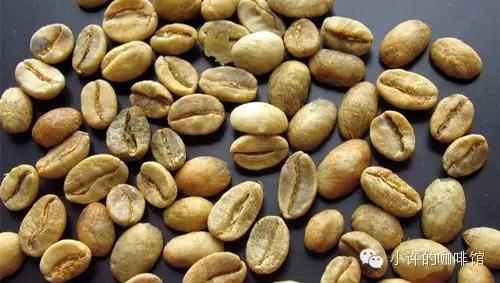
Yemeni coffee comes from the same wild Typica-related strains as Ethiopian coffee, but it developed differently. The beans were brought to Yemen from Ethiopia centuries ago and have remained largely unchanged. Unlike modern cultivated varieties, many Yemeni farmers still grow traditional landrace plants. What really sets Yemen Mocha apart is its terroir: coffee grows in dry, rocky highlands with no irrigation, no chemical inputs, and often no picking — some producers let cherries dry fully on the branch before harvest.
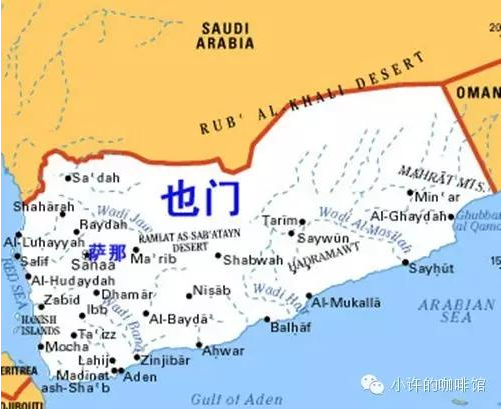
What Makes Yemen Mocha Taste So Different?
A great cup of Yemen Mocha delivers a complex mix: rich texture, bright acidity, smooth mouthfeel, lingering sweetness, deep body, and a finishing note of wine or dried fruit that lingers for minutes. Most striking is its wildness — think rustic, untamed, and intense. Notes often include dark chocolate, dried apricot, fig, spice, and sometimes even leather. The winey red-fruit tone in the aftertaste is a signature. But this bold profile isn’t for everyone. Its intensity and earthy edge can overpower lighter palates.
How Yemen’s Harsh Environment Shapes Its Coffee
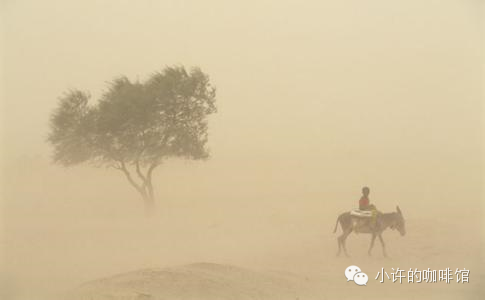
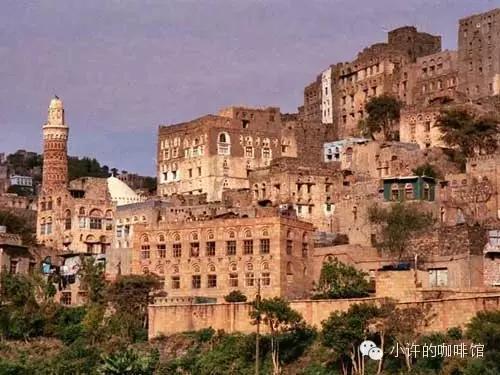
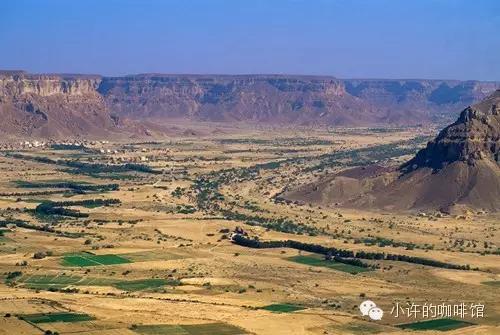
Yemen’s coffee grows in some of the toughest conditions imaginable. The country has little rainfall, relentless heat, and mountainous terrain. Farmers work on terraced fields carved into hillsides with no access to irrigation. Most farms are organic by default — there’s simply no money or infrastructure for chemicals. Some producers sun-dry coffee cherries directly on the tree, a method called ‘dry-on-the-tree’ or ‘non-picked’ processing. These extreme conditions force the coffee plant to produce beans with highly concentrated flavors, resulting in that iconic intense, winey, spicy cup profile.
What Is Qishr? Yemen’s Other Coffee Tradition
Beyond beans, Yemen has a unique coffee culture that includes Qishr — a spiced drink made from dried coffee husks, not the beans themselves. Sometimes called ‘coffee cherry tea’, it’s brewed with cinnamon, ginger, and sugar, offering a warming, citrusy-spiced alternative to traditional coffee. It reflects the resourcefulness of Yemeni coffee culture, where every part of the fruit is used.
Why Real Yemen Mocha Is So Rare Now
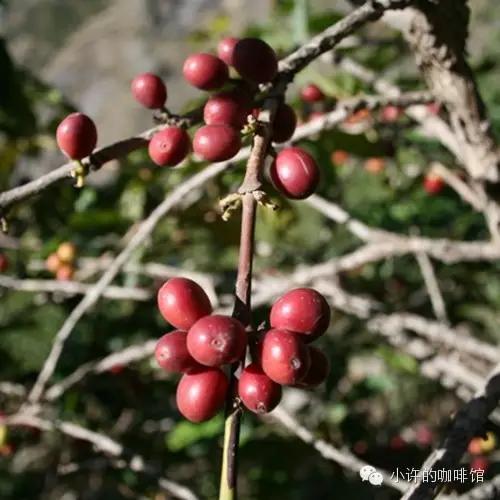
Yemen Mocha has become highly sought after, yet increasingly scarce. Political instability, war, aging farmers, and shrinking cultivation have all driven down production. What remains is often exported in very small quantities, making authentic Yemeni beans hard to find outside specialty roasters. When you do find a good one, expect high prices and limited supply. Yet for those who love deep, untamed flavors, it’s worth the search.
Frequently Asked Questions
What is Yemen Mocha coffee?
Yemen Mocha is a single-origin coffee grown in Yemen’s arid highland regions, known for its wild, complex flavors including dark chocolate, dried fruit, spices, and a wine-like finish. It’s produced from traditional coffee varieties and farmed without irrigation or chemicals under extreme dry conditions.
How is Yemen Mocha different from Ethiopian Mocha?
Both come from related wild coffee strains, but Yemen Mocha is grown in harsher, drier conditions with no irrigation. It tends to taste wilder, with deeper chocolate, more spice, and a prominent winey or fermented edge. Ethiopian Mocha (often Yirgacheffe) is typically brighter, fruitier, and cleaner.
What does Yemen Mocha taste like?
Good Yemen Mocha often has rich chocolate notes, dried apricot or fig, warm spice, and a velvety mouthfeel. The finish commonly includes a lingering winey or red-fruit tone. The cup can be gritty or rustic but offers deep complexity and long aftertaste.
Why is Yemen Mocha so hard to find?
Yemen faces ongoing political conflict, aging coffee farming communities, and extremely limited production. Most Yemeni coffee is exported in small batches under tight supply constraints, making genuine Yemen Mocha rare and often expensive in global markets.
Can I use a moka pot for Yemen Mocha beans?
Yes. In fact, Yemen Mocha’s bold, syrupy body and chocolate notes make it well suited for moka pot brewing. For best results, use a fine to medium-fine grind, aim for a 1:5 to 1:6 brew ratio, and keep your water temperature just under boiling (~92–94°C).
Recommended FrontStreet Beans for Moka Pot
For brewing Yemen-style or bold, chocolatey coffee on a moka pot, FrontStreet Coffee recommends its Classic Blend, tailored for stovetop use with rich crema and smooth body. For a more intense, budget-friendly option, the Black Cocoa Blend offers deep roasted flavors and strong cocoa notes. Both blends perform exceptionally well in moka pots and deliver a satisfying, full-bodied cup. Freshly roasted within 5 days · Orders placed before 17:00 ship the same day · Next-day delivery across most of Guangdong Province.
FrontStreet Coffee is a long-established specialty coffee roaster in Guangzhou China, selling freshly roasted beans from its own farm in Yunnan as well as dozens of carefully selected single-origin beans from around the world for both pour-over and espresso. The products deliver consistently excellent quality and great value, with shipping within 24 hours. Guangzhou's FrontStreet Coffee shop is recommended by many coffee lovers, and the beans are now available online at the Tmall 。
Important Notice :
前街咖啡 FrontStreet Coffee has moved to new addredd:
FrontStreet Coffee Address: 315,Donghua East Road,GuangZhou
Tel:020 38364473