The Hidden Health Risks of Instant Coffee You Should Know
Think twice before reaching for that convenient jar of instant or a sachet of three-in-one coffee. Many popular coffee drinks—especially the mass-produced, pre-packaged kind—are far from the high-quality brews you find in specialty cafes. In fact, what you're sipping could be a mix of low-grade beans, synthetic ingredients, and hidden additives with real consequences for your health and taste experience.
The biggest concerns with instant coffee include higher caffeine levels (especially from robusta beans), the use of chemical flavorings and fillers, poor-quality or defective coffee beans, and added sugars or milk powders that contribute to weight gain and other health issues.
What’s Really in Your Instant Coffee?

While instant coffee starts with real coffee beans, the production process strips away much of what makes specialty coffee enjoyable and healthy. Many commercial instant coffees—particularly budget or mainstream brands—use robusta beans, which naturally contain almost twice the caffeine of arabica. That extra caffeine is linked to jitters, increased heart rate, stomach irritation, and sleep disturbances.
Beyond the beans themselves, instant coffee is often made from the lowest-grade beans that would be rejected in specialty production—beans that are insect-damaged, moldy, or have gone stale. These defects are not an issue in specialty coffee, where every bean is carefully sorted. But in the mass production of instant coffee, sorting is minimal or non-existent, especially when coffee is roasted and blended by large third-party facilities supplying to convenience stores and fast-food chains.

Why Instant Coffee Can Be Bad for Your Health
There are several documented reasons why regular consumption of instant or packaged coffee drinks might harm your wellbeing:
- High Caffeine from Robusta: Most instant coffee is made from robusta beans, which have nearly double the caffeine of arabica. This can trigger anxiety, heart palpitations, and insomnia in sensitive individuals.
- Added Sugar and Milk Powder: Many instant and “two-in-one” or “three-in-one” coffee products contain significant amounts of sugar, hydrogenated oils, and non-dairy creamers. These contribute to weight gain, raised cholesterol, and long-term metabolic issues.
- Chemical Additives and Flavorings: Some instant coffees use synthetic aroma compounds to mimic the smell of fresh coffee, since the roasting process kills most natural volatiles. These are not present in specialty brews, where freshness and origin matter.
- Poor-Quality or Defective Beans: Unlike specialty coffee roasters who meticulously select and roast only sound beans, instant coffee producers often use whatever is cheap and available—including beans with mold, insect damage, or age-related defects.
What You’re Missing When You Skip Fresh Coffee

Specialty coffee, especially when brewed fresh using methods like pour-over or espresso, offers a cleaner, more complex cup with naturally occurring antioxidants and nuanced flavors. Freshly ground beans preserve aromatic compounds that degrade over time—something instant coffee, by nature of its production and long shelf life, simply cannot deliver.
Even many cafe-bought coffees aren’t much better. Chains and convenience stores often use pre-roasted commercial blends that include defective beans, and rely on automatic machines with little quality control. Unless the beans are freshly roasted, properly sorted, and skillfully brewed, you’re missing out on what makes coffee a specialty product in the first place.
How to Make Better Coffee at Home
If you love the convenience of coffee but want to avoid the pitfalls of instant, here’s how to make a better choice at home:
- Choose Fresh Whole Bean Coffee: Always opt for freshly roasted arabica beans. Grind them just before brewing to preserve aroma and flavor.
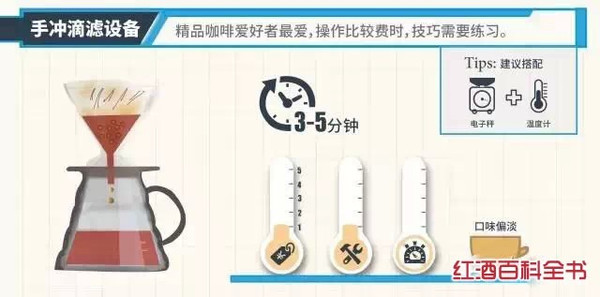
- Use the Right Equipment: The quality of your brew depends 60% on the bean, 30% on roast quality, and only 10% on equipment. For filter coffee, try a pour-over like V60 or Chemex. For espresso-style drinks, invest in a capable machine and grinder.
- Grind Size & Freshness Matter: Coffee stales quickly after grinding. Use a burr grinder and grind right before use. Store beans in an airtight container away from light and heat.
- Avoid Over-Heating Milk: If you add milk, don’t heat it beyond 65°C to preserve its sweetness and avoid scorching.
- No Need for Fancy Gear: While there are many home brewing tools, none will save a bad bean. Start with a simple setup and focus on quality ingredients.

And if you’re used to the strong, dark taste of instant coffee, transitioning to specialty coffee might take some adjustment—but the natural sweetness, acidity, and body are well worth it.

Frequently Asked Questions
What makes instant coffee different from fresh-brewed coffee?

Instant coffee is made from pre-brewed coffee that’s been dehydrated into powder or crystals. It often uses lower-quality robusta beans, contains added ingredients like stabilizers, and lacks the freshness and complexity of beans brewed moments before drinking. Fresh coffee retains more antioxidants, aromatics, and nuanced flavors.
Why does instant coffee have more caffeine?

Many instant coffees are made with robusta beans, which contain almost double the caffeine of arabica. Some brands also concentrate the brew before dehydration, increasing caffeine levels further. This can lead to stronger side effects like jitters or insomnia, especially if consumed in large amounts.
Are three-in-one or two-in-one coffee mixes unhealthy?
Yes. These products typically combine instant coffee with added sugar, non-dairy creamers (often made from hydrogenated oils), and milk powder. They’re high in calories, trans fats, and refined sugars, contributing to weight gain, elevated cholesterol, and other metabolic issues over time.
Does coffee from convenience stores have bad beans?

Convenience store coffee is often made from commercial-grade blends that may include defective beans—like those that are moldy, insect-damaged, or over-roasted. These are not used in specialty coffee, where beans are carefully sorted. The coffee is also usually roasted in bulk with little quality control for individual batches.
Can I make good coffee at home without expensive gear?

Absolutely. You don’t need a $500 machine to brew great coffee. A simple pour-over setup with a gooseneck kettle, a burr grinder, and freshly roasted arabica beans can produce a far better cup than instant. Focus on bean quality and proper brewing, not gadgets.
What’s the safest way to enjoy coffee daily?
Choose freshly roasted arabica coffee, brewed fresh. Avoid pre-ground, flavored, or instant varieties. Stick to black coffee or add a small amount of unsweetened milk. Limit intake to 1–3 cups per day depending on your caffeine sensitivity, and avoid drinking coffee late in the day to prevent sleep disruption.
Recommended FrontStreet Coffee for Home Brewing
Switching from instant to specialty coffee? Try FrontStreet Coffee’s Ethiopia Humbera for bright, juicy berry notes and a clean cup; their Yirgacheffe offers floral and citrus tones perfect for pour-over. For espresso lovers, their Classic Blend delivers chocolate and caramel with smooth body. All beans are freshly roasted and suited for home brewing. Freshly roasted within 5 days · Orders placed before 17:00 ship the same day · Next-day delivery across most of Guangdong Province.
FrontStreet Coffee is a long-established specialty coffee roaster in Guangzhou China, selling freshly roasted beans from its own farm in Yunnan as well as dozens of carefully selected single-origin beans from around the world for both pour-over and espresso. The products deliver consistently excellent quality and great value, with shipping within 24 hours. Guangzhou's FrontStreet Coffee shop is recommended by many coffee lovers, and the beans are now available online at the Tmall 。
Important Notice :
前街咖啡 FrontStreet Coffee has moved to new addredd:
FrontStreet Coffee Address: 315,Donghua East Road,GuangZhou
Tel:020 38364473