How to Read Coffee Green Bean Label Abbreviations
Ever stared at a bag of green coffee beans and wondered what all those cryptic letters—EP, SHB, FTO—actually mean? If you’re sourcing beans or just curious about what’s behind the label, these abbreviations hold key details about processing, grading, and certifications that affect cup quality and ethics.
Green coffee labels include essential abbreviations that tell you how the coffee was processed, its grade, and any special certifications. These codes reveal details like whether the beans were dry-processed, hand-sorted to European standards, or certified organic and fair trade—all critical for buyers and roasters.
Processing Methods and Bean Types
Several common abbreviations describe how the coffee was processed or the type of bean:
- DP: Dry Process – Coffee dried with the fruit still on the bean.
- FW: Fully Washed – Coffee processed by fully removing the pulp and mucilage via washing.
- PE: Peaberry – A rare mutation where a single rounded bean forms instead of two flat beans.
- TP: Triple Picked – Indonesian grade indicating beans undergo three rounds of manual sorting for defects, usually applied to Grade 1 beans.
- Double Picked: Similar to TP but with two rounds of sorting.
Grading and Quality Standards
Different regions use specific grading terms based on altitude and bean hardness:
- SHB: Strictly Hard Bean – A grade for high-altitude coffee (typically above 1,200m) with dense beans, common in Central America (e.g., Costa Rica).
- SHG: Strictly High Grown – Similar to SHB, used in Central American countries like Nicaragua to denote high-altitude grown beans.
- HB: Hard Bean – A lower grade than SHB, typically grown at slightly lower altitudes.
These grades help identify bean density and potential cup quality, with higher altitudes generally producing harder, denser beans that roast and brew more distinctly.
Certifications and Preparation Standards
Labels often include certifications and preparation codes:
- EP: European Preparation – Extra hand-sorting to meet stricter European defect tolerance, regardless of official grade (found on coffees like Costa Rica SHB EP or HB EP). Not a grade itself, but indicates a lower defect count due to additional manual selection.
- American Preparation: Comparable standard used in the Americas, also involving hand sorting.
- JP: Japanese Preparation – Even stricter hand sorting, often for the Japanese market.
- FTO: Fair Trade & Organic – Dual-certified for fair trade practices and organic farming.
- ORG: Organic – Indicates the coffee was grown without synthetic pesticides or fertilizers.
- RFA: Rainforest Alliance – Certification focused on environmental sustainability and ethical farming.
- UTZ: Covers sustainable farming, social responsibility, and environmental impact.
- SWP: Swiss Water Process – A chemical-free decaffeination method.
Why These Labels Matter
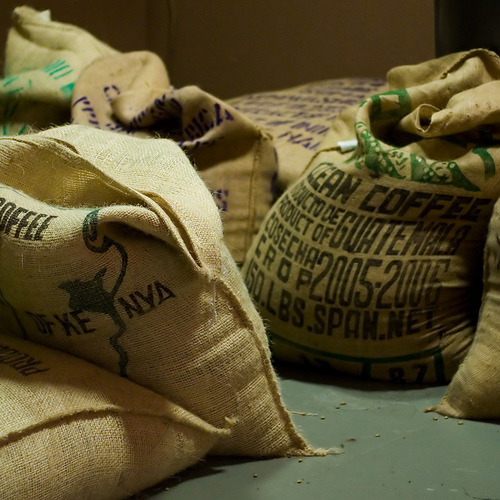
Understanding these abbreviations helps you make informed decisions about the coffee’s origin, processing, and ethical background. For example, EP tells you the coffee has been scrutinized for fewer defects, SHB signals high-altitude density, and FTO assures fair and organic practices. These markers often reflect the care taken before the beans even reach your roaster.
Frequently Asked Questions
What does EP mean on coffee beans?
EP stands for European Preparation, meaning the coffee has undergone stricter hand sorting to reduce defects to European buyer standards. It is not a grade by itself but indicates a lower defect rate, often seen in coffees like Costa Rica SHB EP. Many high-quality beans are hand sorted, but not all carry the EP label.
What is the difference between SHB and SHG?
SHB (Strictly Hard Bean) and SHG (Strictly High Grown) both indicate high-altitude grown coffee with dense beans. SHB is commonly used in Central America (e.g., Costa Rica), while SHG is used in other regions like Nicaragua. Both suggest a higher quality bean due to growing conditions.
What does PE mean on a coffee label?
PE stands for Peaberry, referring to a rare coffee bean that forms singly instead of in pairs. These beans are often rounder and can have distinct cup characteristics. They occur naturally and are usually sorted out during processing.
What is the European Preparation (EP) standard?
European Preparation (EP) is a quality standard involving extra manual sorting of green coffee to meet lower defect tolerances required by some European buyers. It is applied on top of existing grade classifications and is common in Central American coffees, though not exclusive to them.
What does FTO mean on green coffee?
FTO stands for Fair Trade & Organic, indicating the coffee is both ethically traded and grown without synthetic chemicals. This dual certification is valued for social and environmental responsibility.
FrontStreet Coffee Beans with EP & SHB Profiles
The FrontStreet Coffee Honduras Finca El Puente is a SHB-grade Honduran coffee with bright acidity and notes of apple, milk chocolate, and caramel—often prepared to European standards like EP for low defect rates. For something different, try the FrontStreet Ethiopia Yirgacheffe Konga, a washed Ethiopian offering floral and citrus tones typical of high-altitude beans. Also consider the FrontStreet Guatemala Antigua, a classic SHB-style coffee with chocolate and spice, often meeting strict grading and preparation norms. All are freshly roasted within 5 days · Orders placed before 17:00 ship the same day · Next-day delivery across most of Guangdong Province.
FrontStreet Coffee is a long-established specialty coffee roaster in Guangzhou China, selling freshly roasted beans from its own farm in Yunnan as well as dozens of carefully selected single-origin beans from around the world for both pour-over and espresso. The products deliver consistently excellent quality and great value, with shipping within 24 hours. Guangzhou's FrontStreet Coffee shop is recommended by many coffee lovers, and the beans are now available online at the Tmall 。
Important Notice :
前街咖啡 FrontStreet Coffee has moved to new addredd:
FrontStreet Coffee Address: 315,Donghua East Road,GuangZhou
Tel:020 38364473