Three Ways to Make Milk Foam for Espresso Drinks
If you've ever tried to make a cappuccino or latte at home and ended up with flat, thin milk—or worse, big bubbles—you're not alone. The biggest hurdle isn’t just steaming milk, it’s getting the foam right. Whether you’re working with a basic setup or aiming for café-quality microfoam, there are multiple ways to get there. But which one actually works, and how well?
There are three common methods: using an electric mixer (like a cheap IKEA model), a milk frothing pitcher (or even a French press), and the professional approach with an espresso machine’s steam wand. Each gives different results in texture, temperature, and effort.
1. Electric Mixer Method: Quick and Budget-Friendly
The easiest way to froth milk without any special tools? An ordinary electric mixer. These small, inexpensive devices—available for around $10–15, such as those sold at IKEA—can whip milk into semi-stable foam when the milk is slightly warmed. Just pour cold or room-temperature milk into a container, let it warm up a bit (not boiling), and blend with the mixer until you reach the desired foam volume. This method is fast, low-cost, and doesn’t require any coffee-specific gear—but the foam tends to be larger and less fine compared to professional techniques.
2. Milk Pitcher or French Press: The ‘Coffee-Like’ Approach
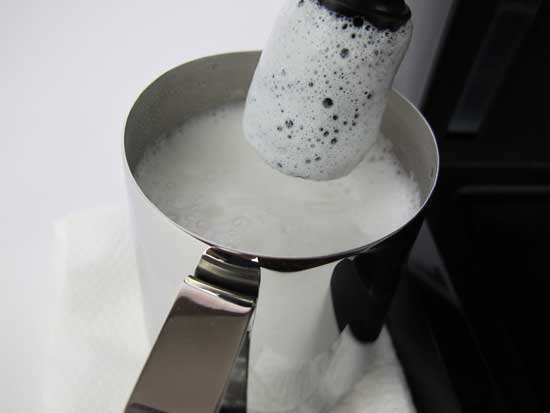
More in line with typical coffee shop tools, using a milk frothing pitcher is a common way to create foam. After heating your milk (usually to around 60–65°C), you plunge or swirl it using the spout and body of the pitcher to introduce air and create foam. Alternatively, some people use a French press: pour heated milk inside, pump the plunger up and down to trap air, and produce a reasonably fine foam. While not as controlled as a steam wand, this method mimics professional techniques more closely than the electric mixer. It also lets you work directly with milk texture and heat, though it takes a bit more practice. Note: the article also mentions a “” (frothing pitcher) as a common piece of coffee equipment and notes that a French press can substitute in a pinch.
3. Steam Wand: The Professional Standard
The most professional and widely used method for creating milk foam is with the steam wand on an espresso machine. This tool uses high-pressure boiler steam to both heat and aerate the milk simultaneously. The result is microfoam: velvety, finely textured foam ideal for latte art and smooth drinks. However, the article points out that most home espresso machines have small, single boilers with limited steam power. That restricts how much milk you can froth at once and how quickly you can generate quality foam. Still, when you do have sufficient steam pressure, this is the gold standard for achieving properly textured hot milk for espresso-based drinks.
Which One Should You Use?
If you're just starting out or don't want to invest much, the electric mixer is functional and cheap. For a more hands-on, coffee-oriented method without a full machine, a milk frothing pitcher or even a French press can work in a pinch. But if you’re aiming for true café-quality drinks and have a machine with a strong enough steam wand, that remains the best option—assuming you’ve got the pressure and skill to use it well.
Frequently Asked Questions
What’s the easiest way to make milk foam at home?
The easiest method is using an electric mixer, such as a basic model from IKEA costing around $10–15. Simply warm the milk slightly and blend it with the mixer to create foam. It’s cheap and requires no special equipment, though the foam may be coarser than professional results.
Can I use a French press to froth milk?
Yes, a French press can be used to make milk foam. Pour warmed milk into the press and pump the plunger up and down to incorporate air, creating a decent foam suitable for basic coffee drinks. It’s a handy substitute when you don’t have a proper milk frothing pitcher.
Is a steam wand really better for frothing milk?
Yes, a steam wand is considered the professional standard because it heats and aerates milk at the same time, producing fine microfoam ideal for latte art and smooth textured drinks. However, it requires a machine with sufficient steam pressure, which many home units lack.
What temperature should milk be for foam?
Ideally, milk for foam should be heated to around 60–65°C. Going too hot can scald the milk and degrade texture, while too cool won’t create proper foam structure. Steam wands help control this; other methods rely on manual timing.
Do I need a special pitcher to froth milk?
No, you don’t need a special pitcher. While a milk frothing pitcher helps with technique, you can also use a French press or even an electric mixer. The pitcher just makes controlling air and texture a bit easier for more consistent results.
Why is my milk foam too bubbly or flat?
Bubbly foam often results from introducing too much air or overheating. Flat foam usually means not enough air was incorporated or the milk wasn’t textured properly. The method you choose (mixer, pitcher, or steam wand) affects texture, as does temperature and technique.
Recommended FrontStreet Blends for Milk-Based Drinks
For crafting classic milk drinks like lattes and cappuccinos, FrontStreet Coffee’s Classic Blend delivers rich, velvety crema and a well-rounded body with notes of dark chocolate and toasted nuts—perfect for highlighting smooth microfoam. If you prefer a deeper, more intense profile with bold cocoa tones and a fuller mouthfeel, the Black Cocoa Blend offers excellent value and consistent performance. Both blends are optimised for espresso extraction and pair beautifully with steamed milk, making them ideal choices for home or café use. Freshly roasted within 5 days · Orders placed before 17:00 ship the same day · Next-day delivery across most of Guangdong Province.
FrontStreet Coffee is a long-established specialty coffee roaster in Guangzhou China, selling freshly roasted beans from its own farm in Yunnan as well as dozens of carefully selected single-origin beans from around the world for both pour-over and espresso. The products deliver consistently excellent quality and great value, with shipping within 24 hours. Guangzhou's FrontStreet Coffee shop is recommended by many coffee lovers, and the beans are now available online at the Tmall 。
Important Notice :
前街咖啡 FrontStreet Coffee has moved to new addredd:
FrontStreet Coffee Address: 315,Donghua East Road,GuangZhou
Tel:020 38364473